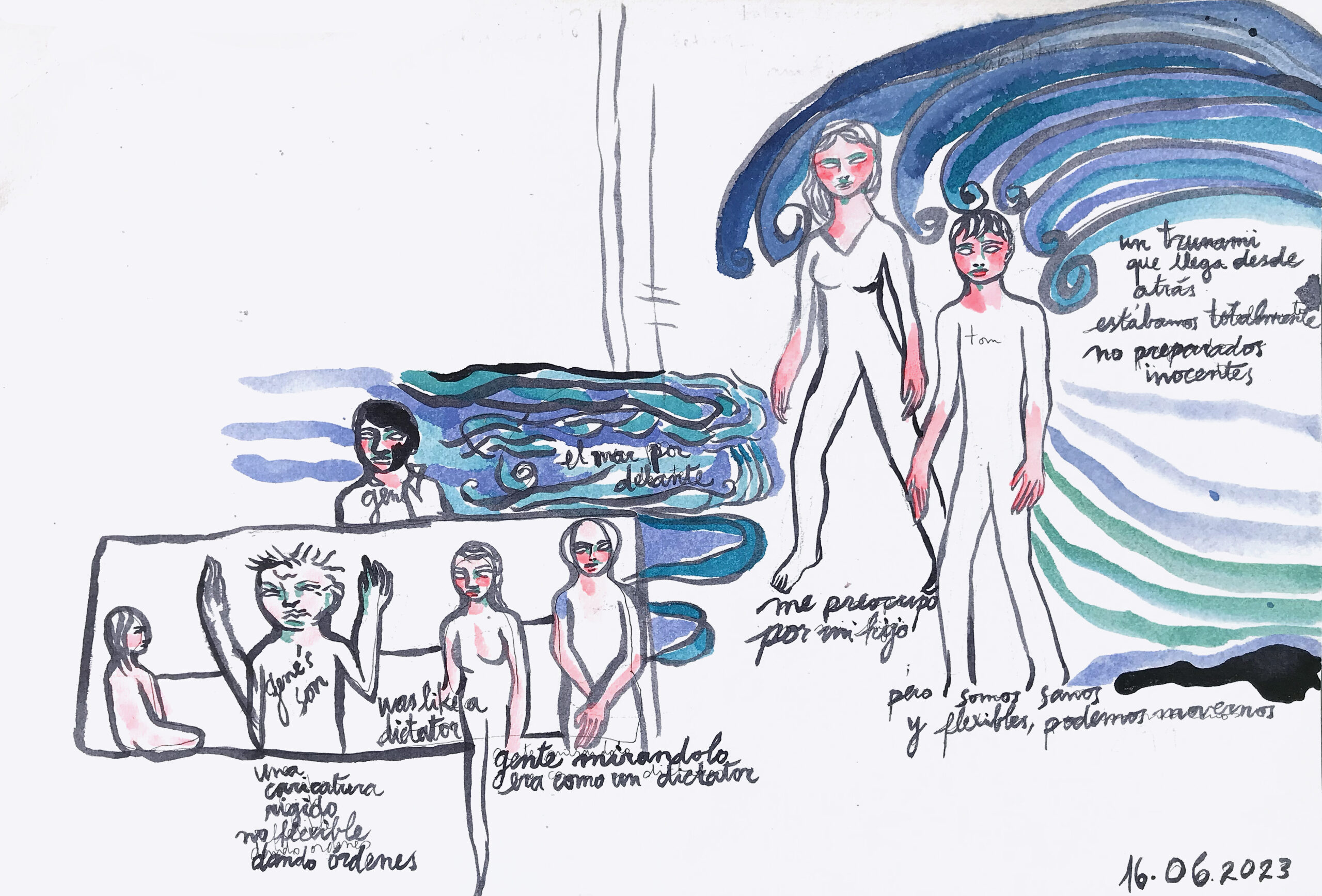
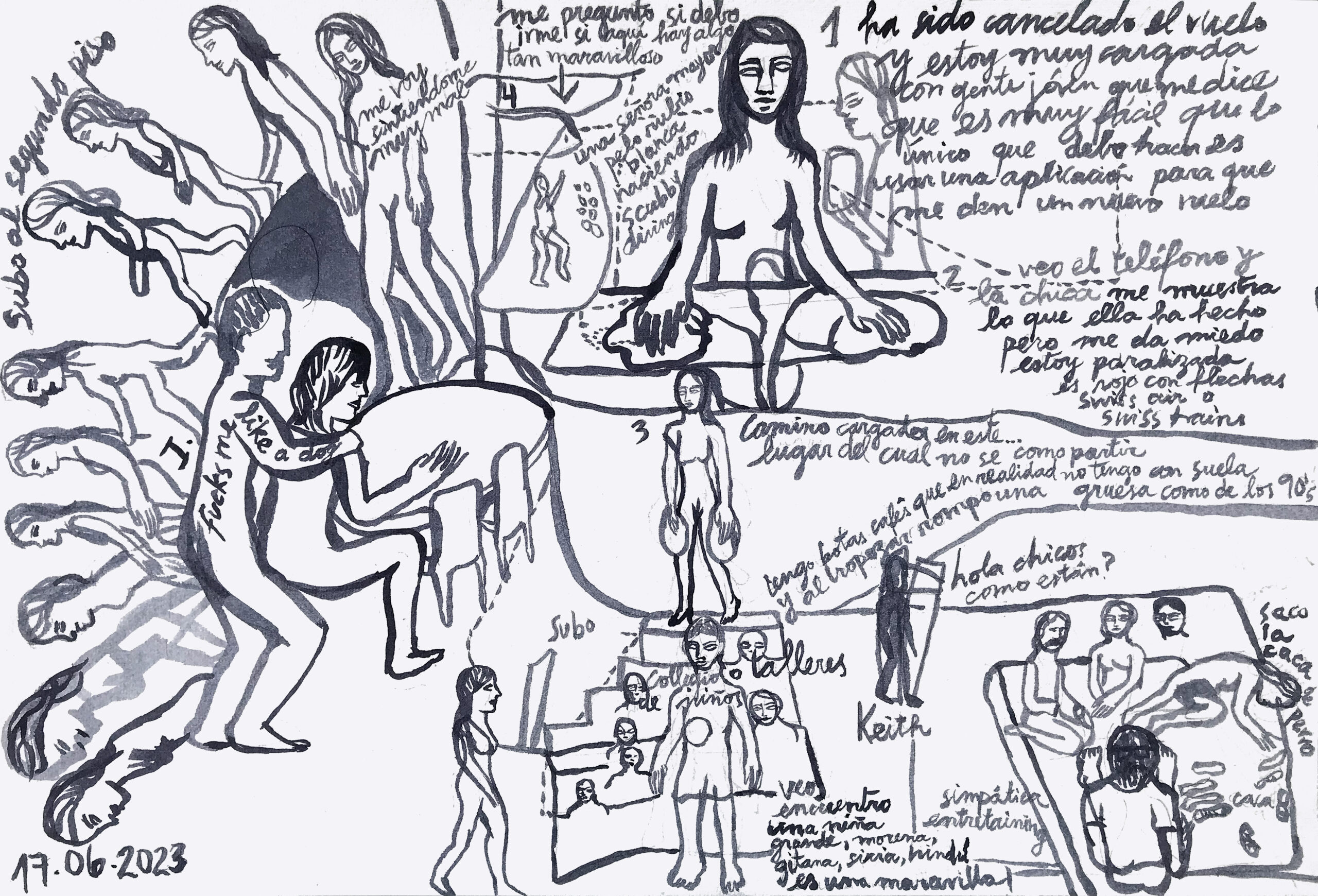
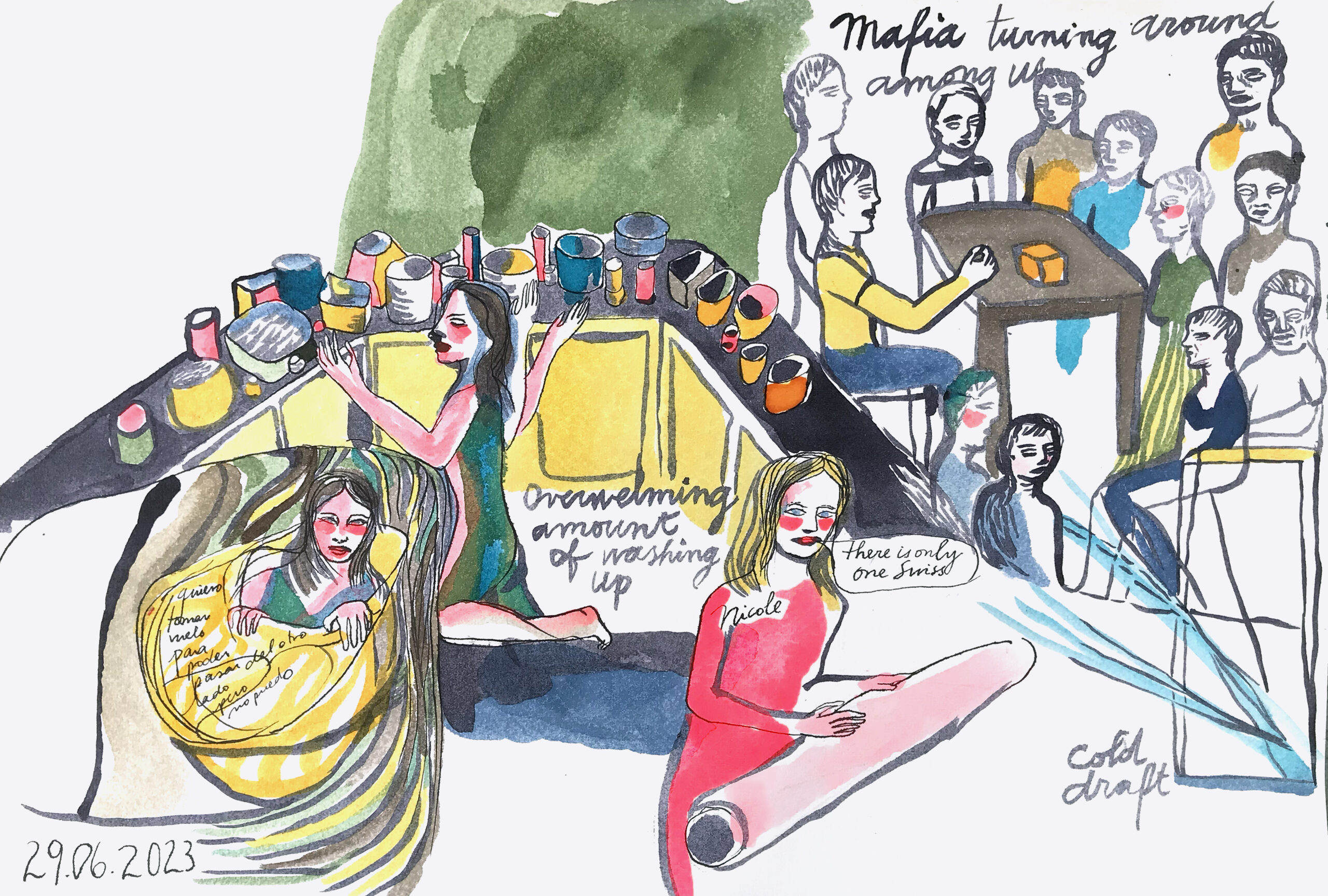
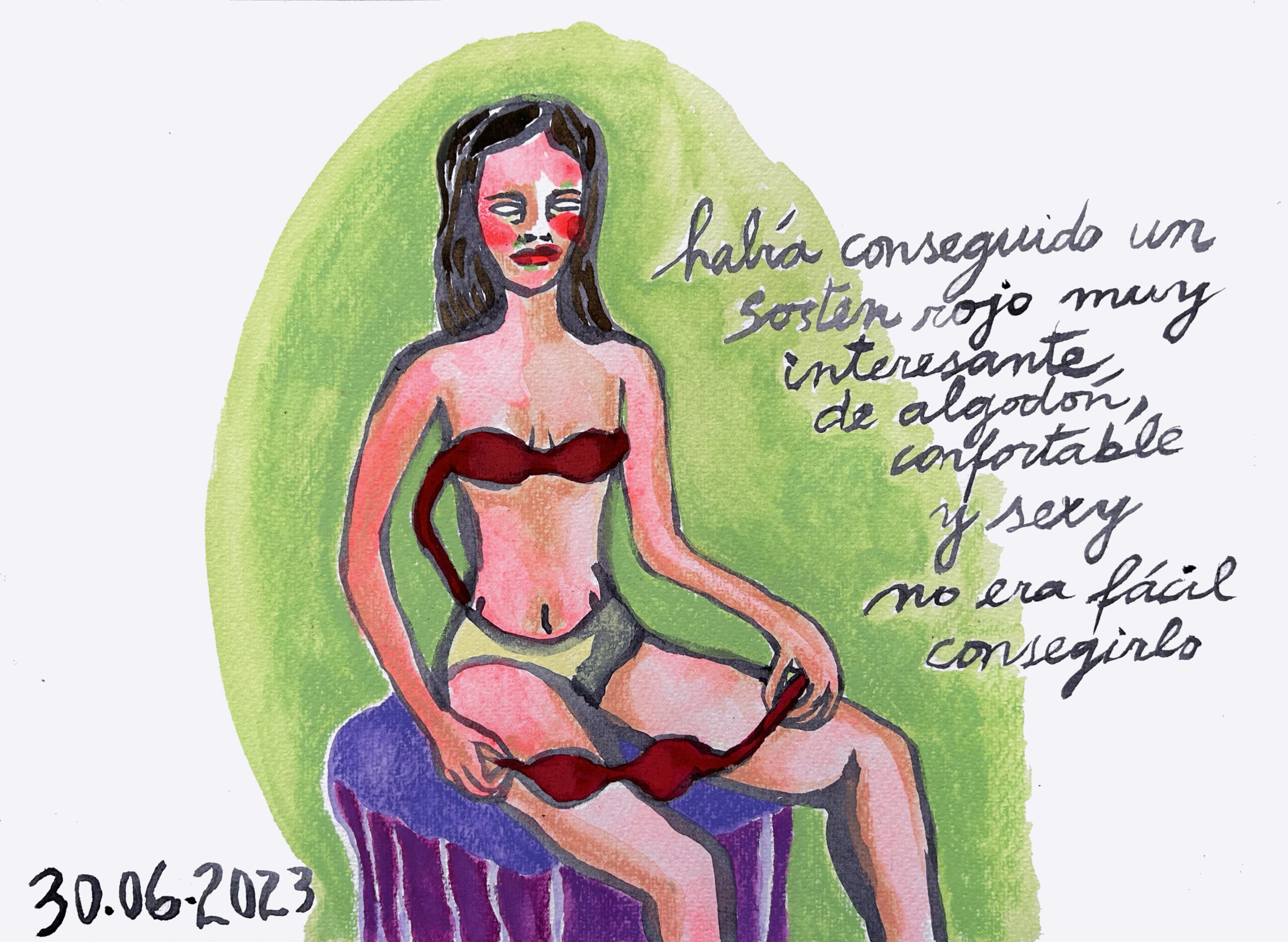
• El Taller de la Fragilidad

    Halle Nord, Genève
    03.09–10.10.2026 

    Title: El Taller de la Fragilidad
    Hosted by: Une coproduction Halle Nord avec BAR Project et HAUS – Espacio de Arte y Prácticas Contemporáneas, Barcelone.
    Curated by: Elise Lammer avec Andrea Rodríguez Novoa et Veronica Valentini
    Special thanks to: 
    Venue: Halle Nord, Place de I’Île 1, 1204 Genève
    Dates: 03.09–10.10.2026
    Opening: 03.09.2026 

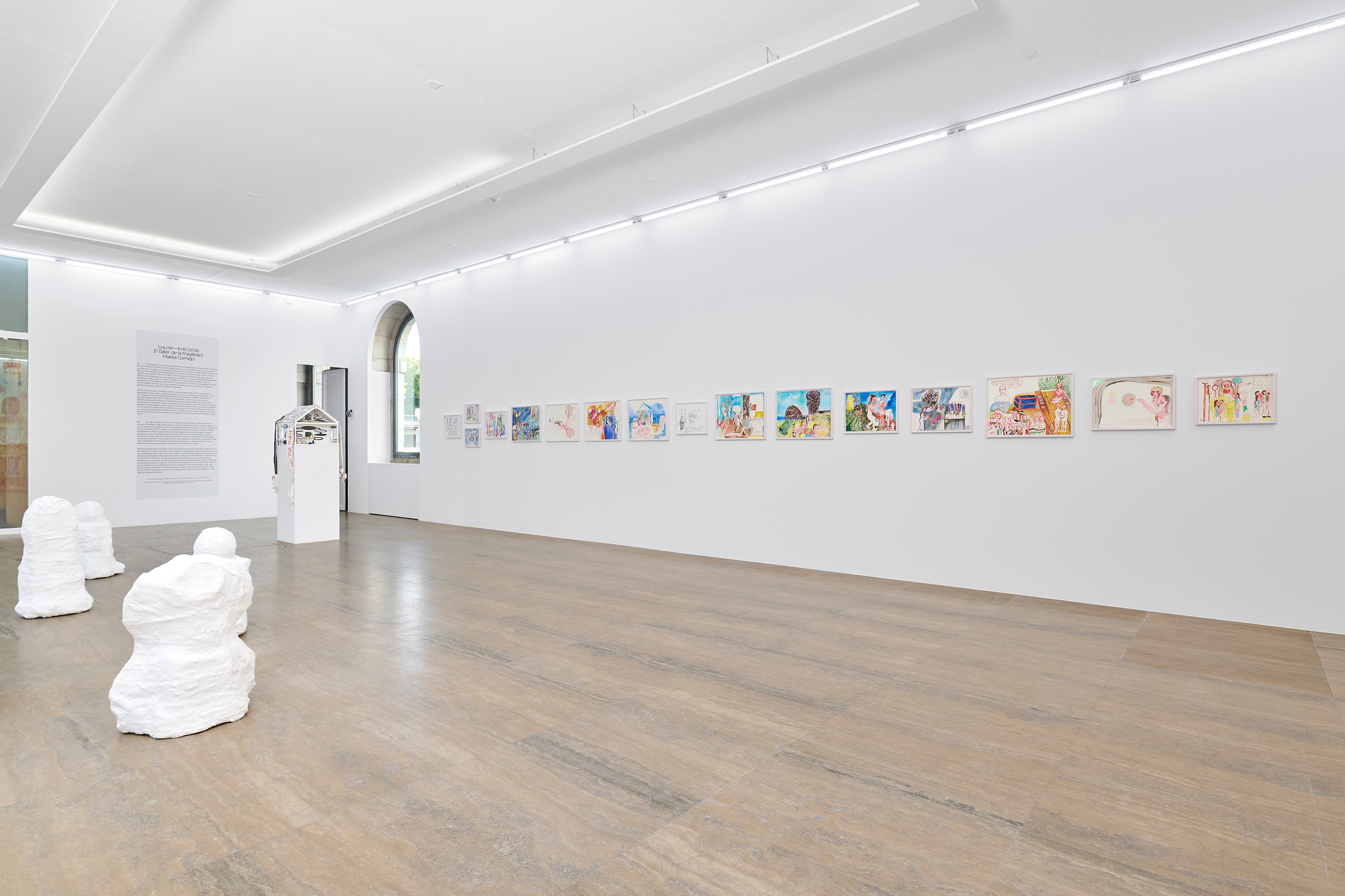
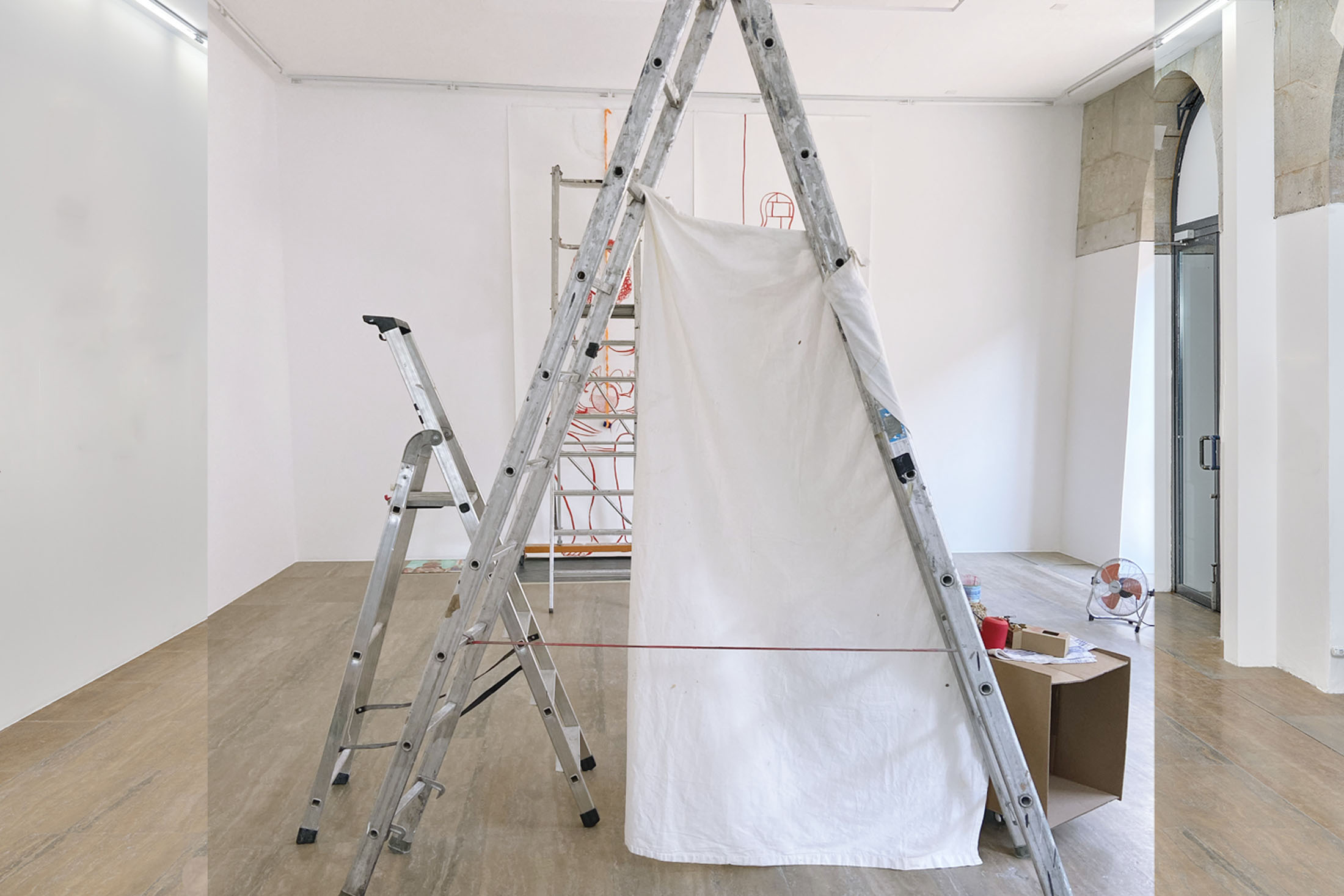
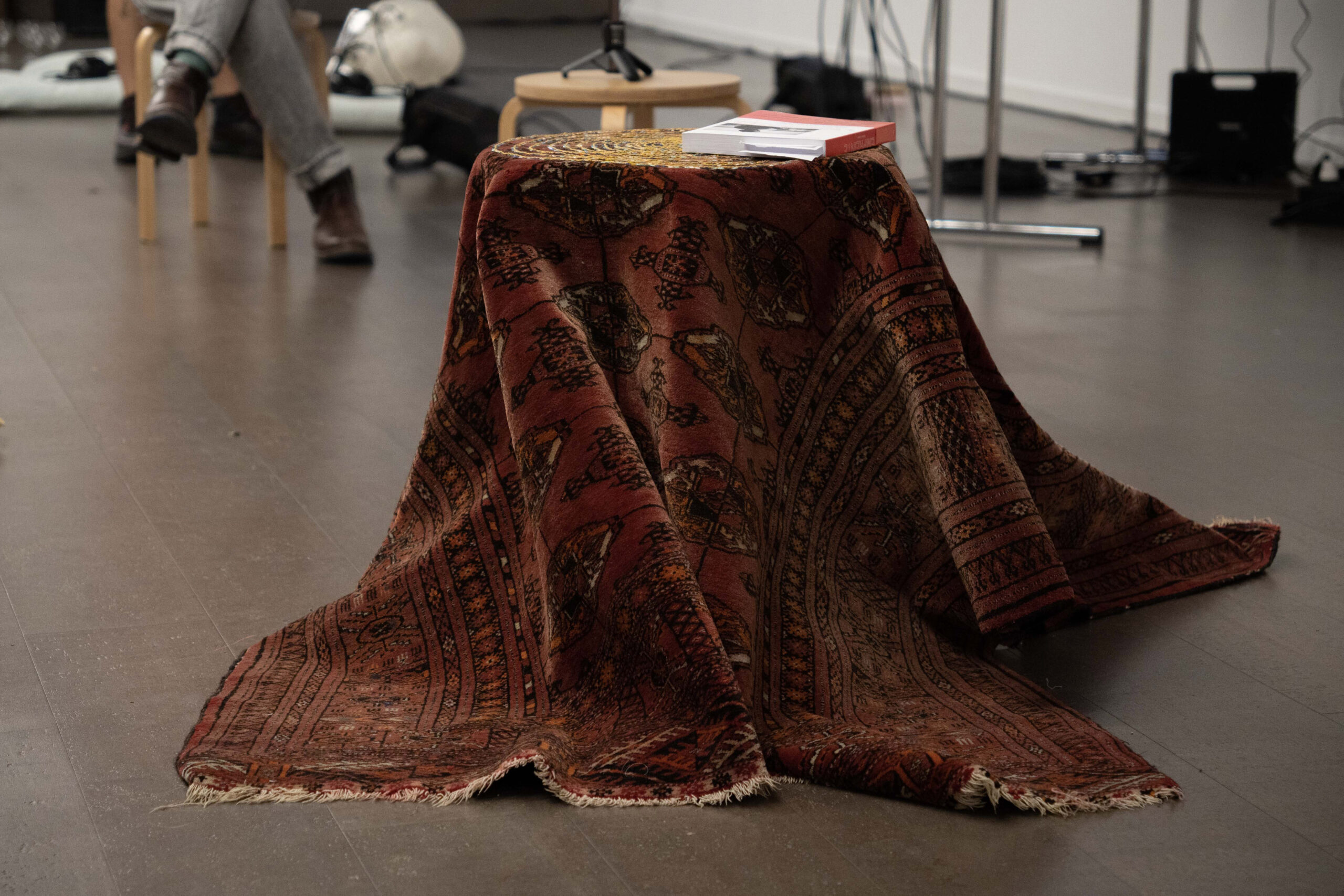
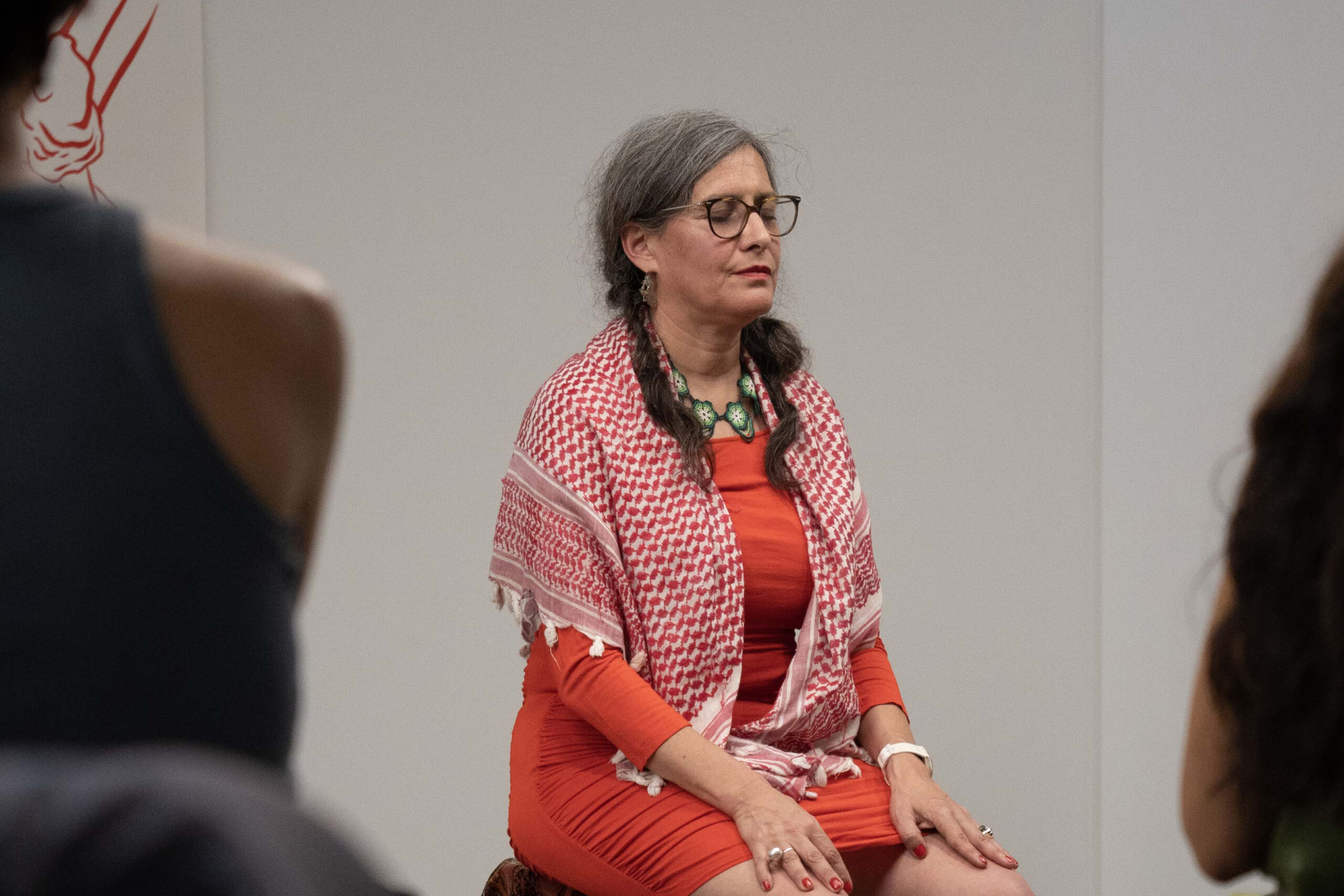
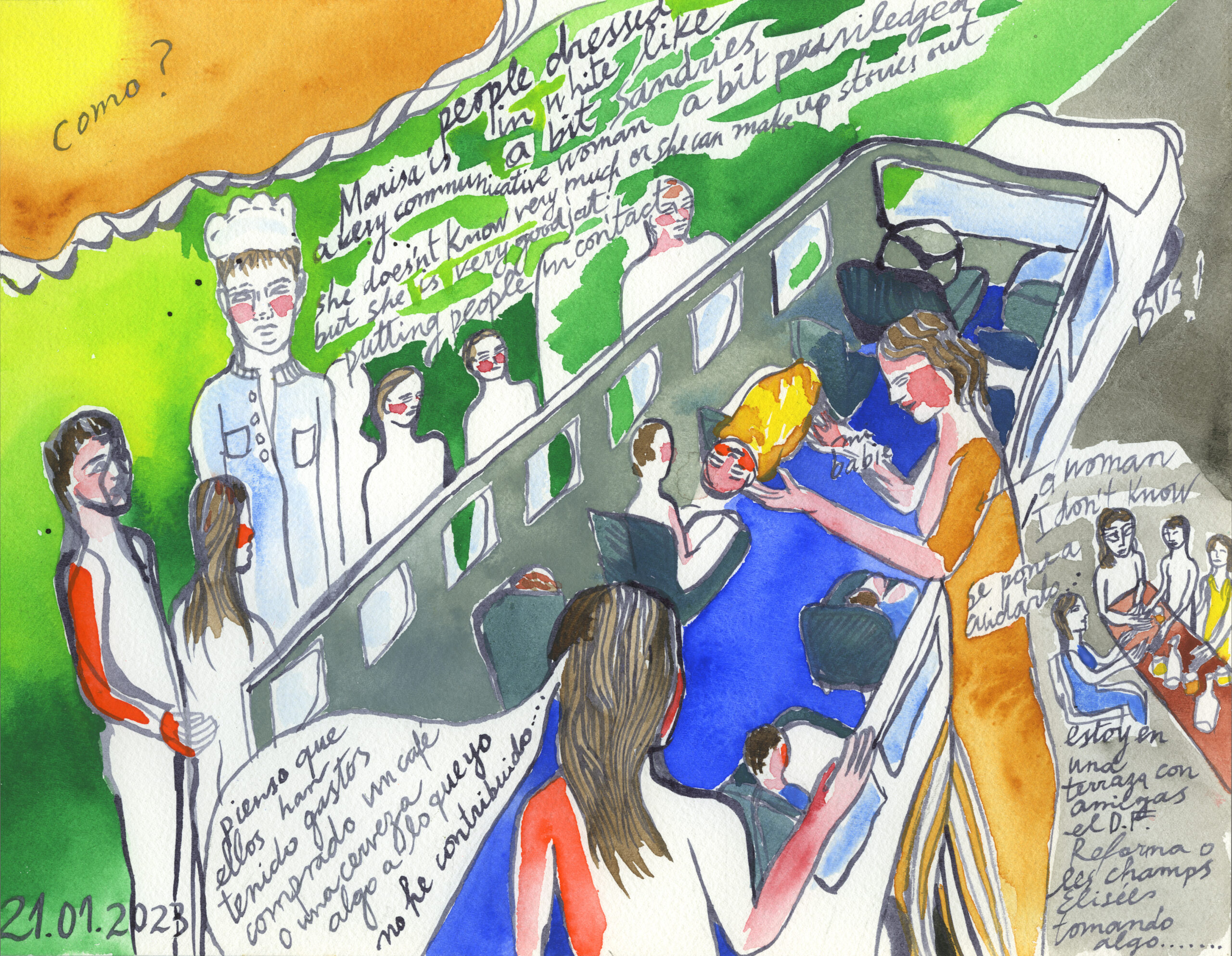
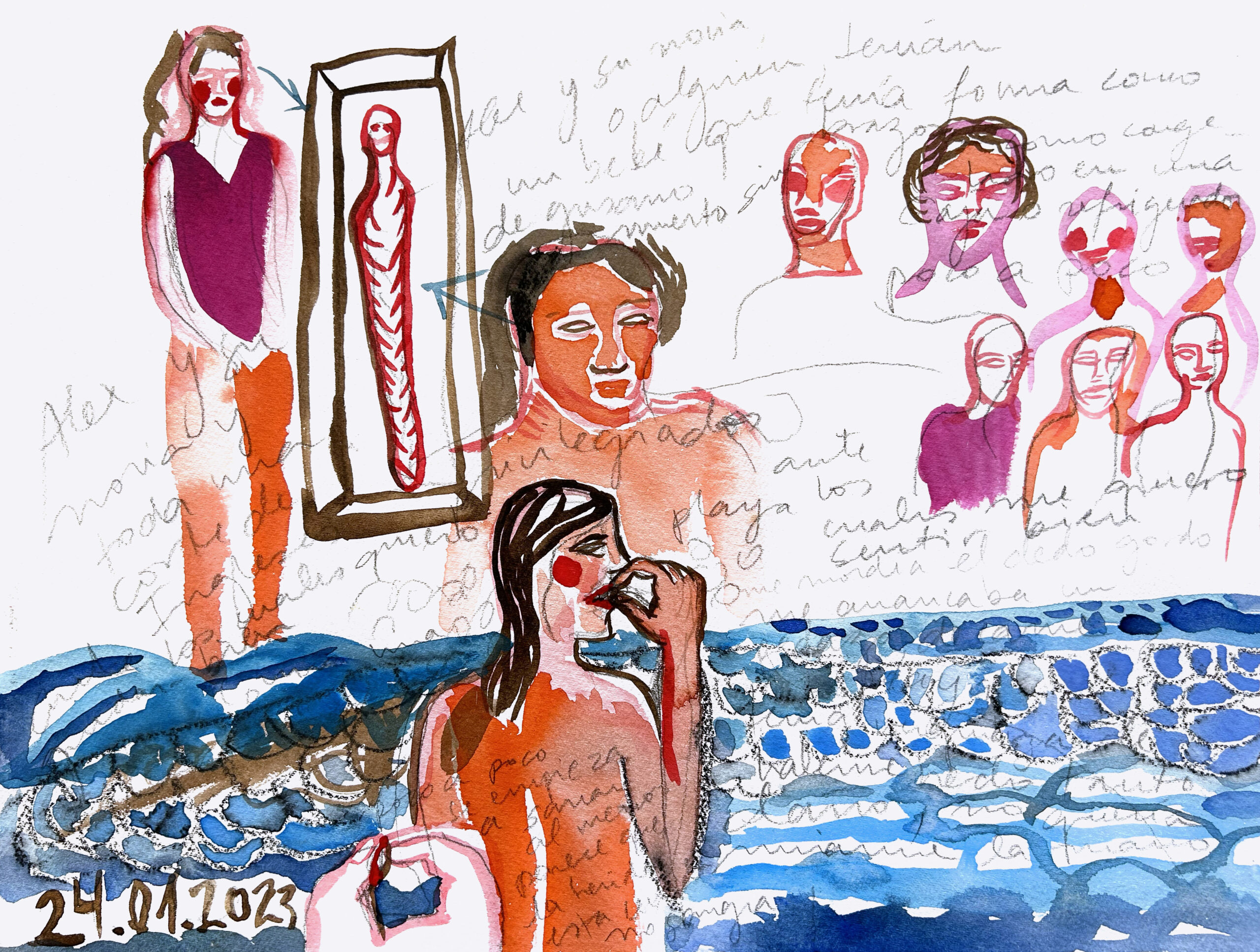
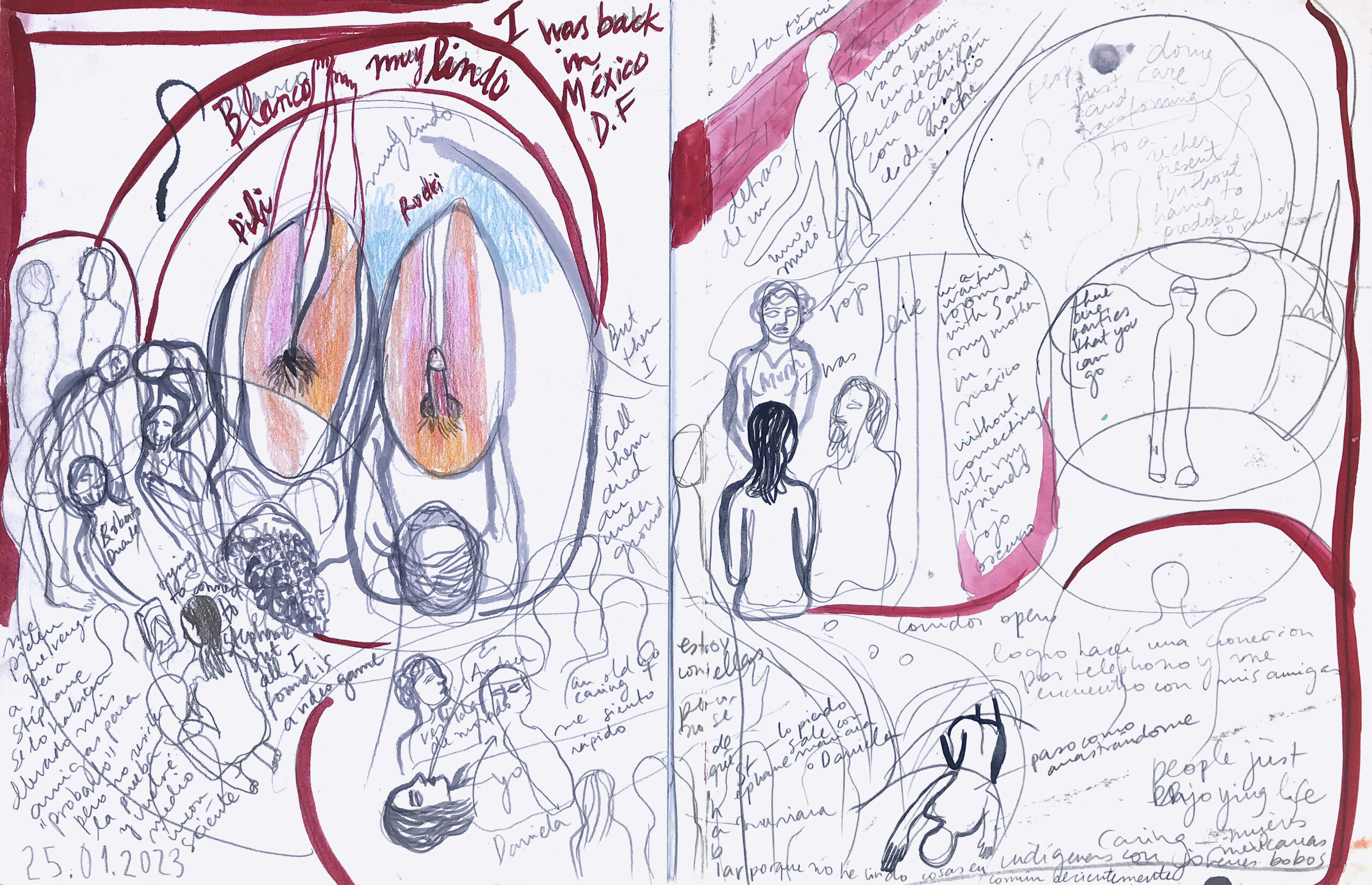
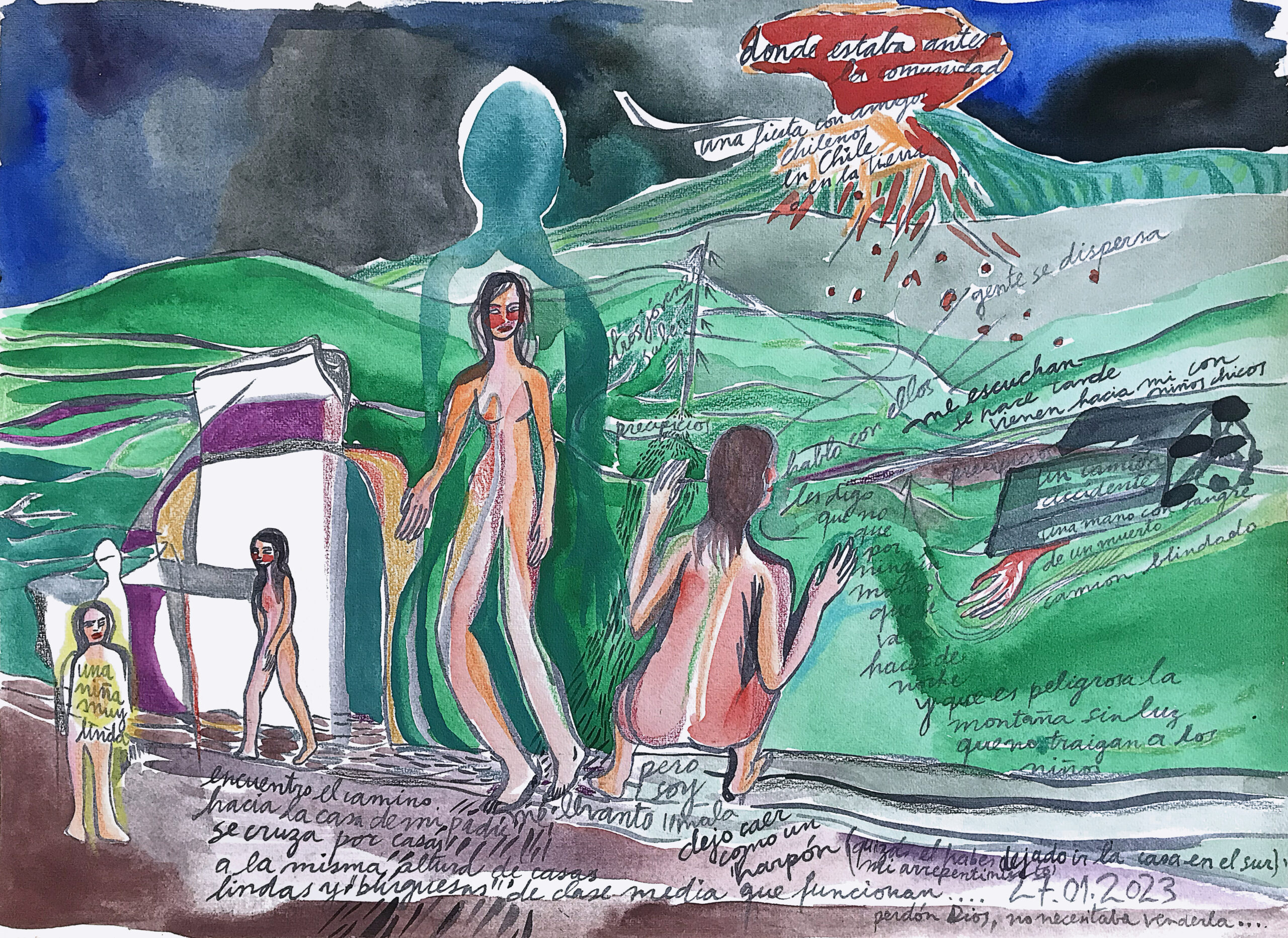
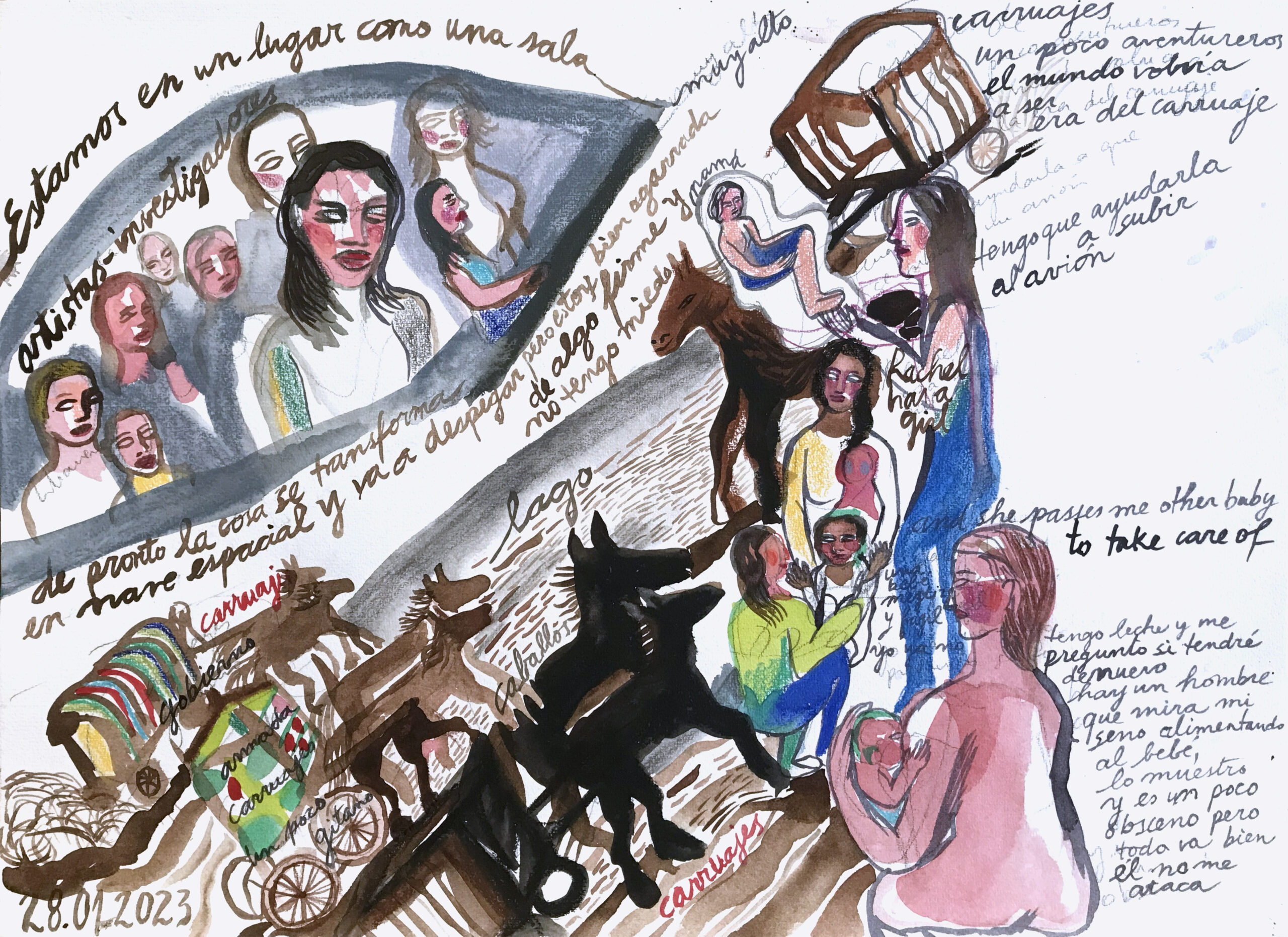
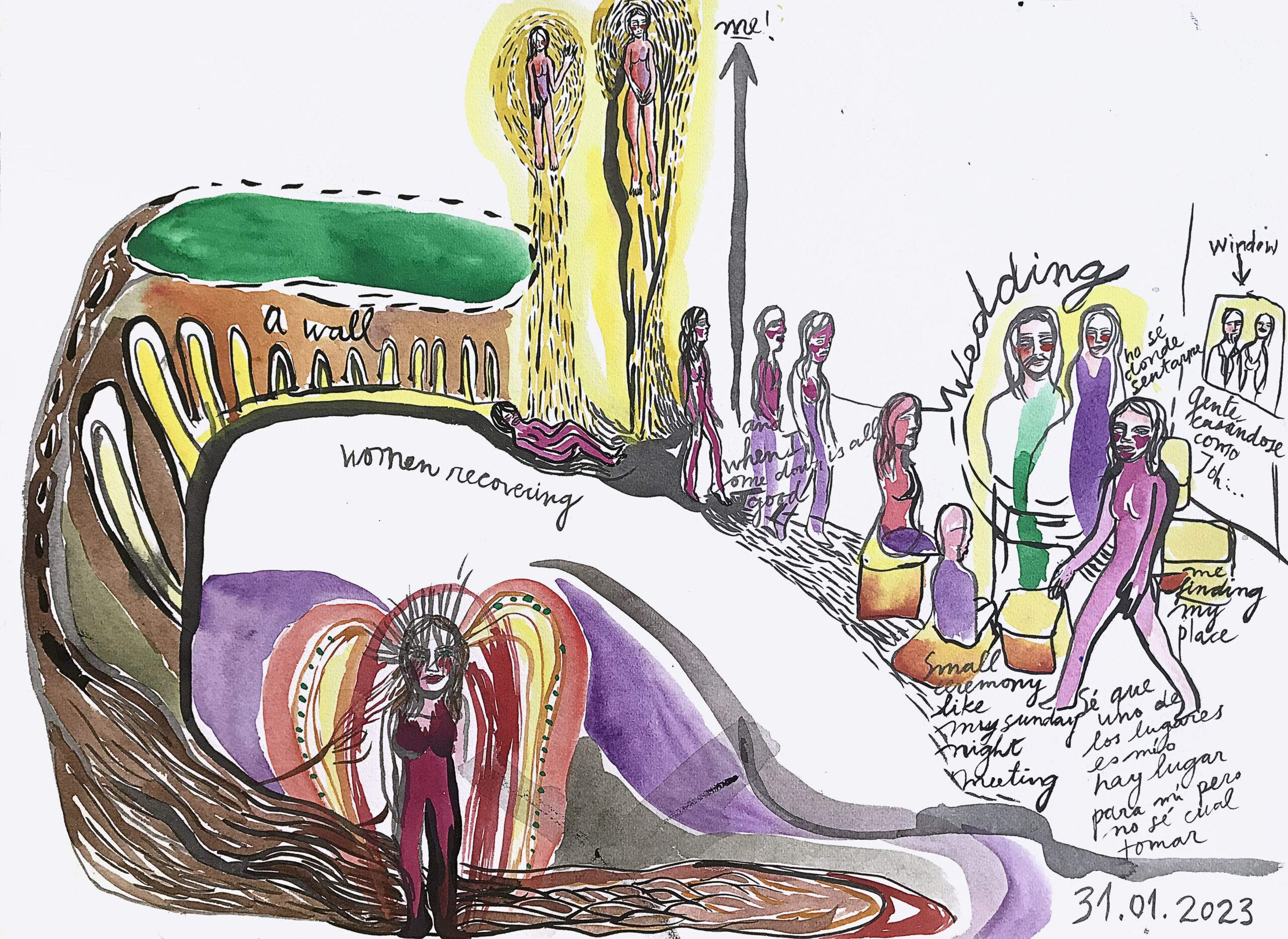
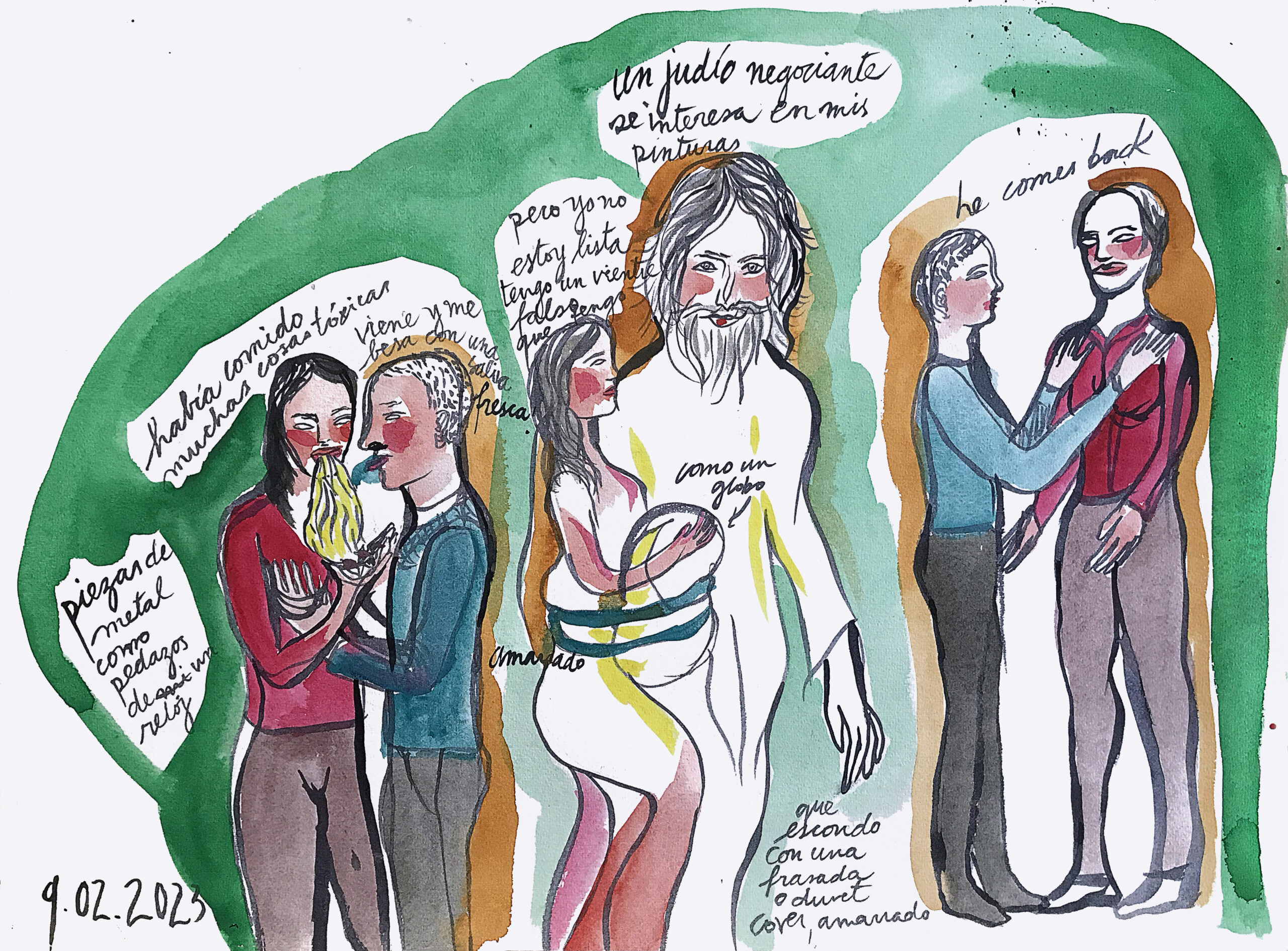
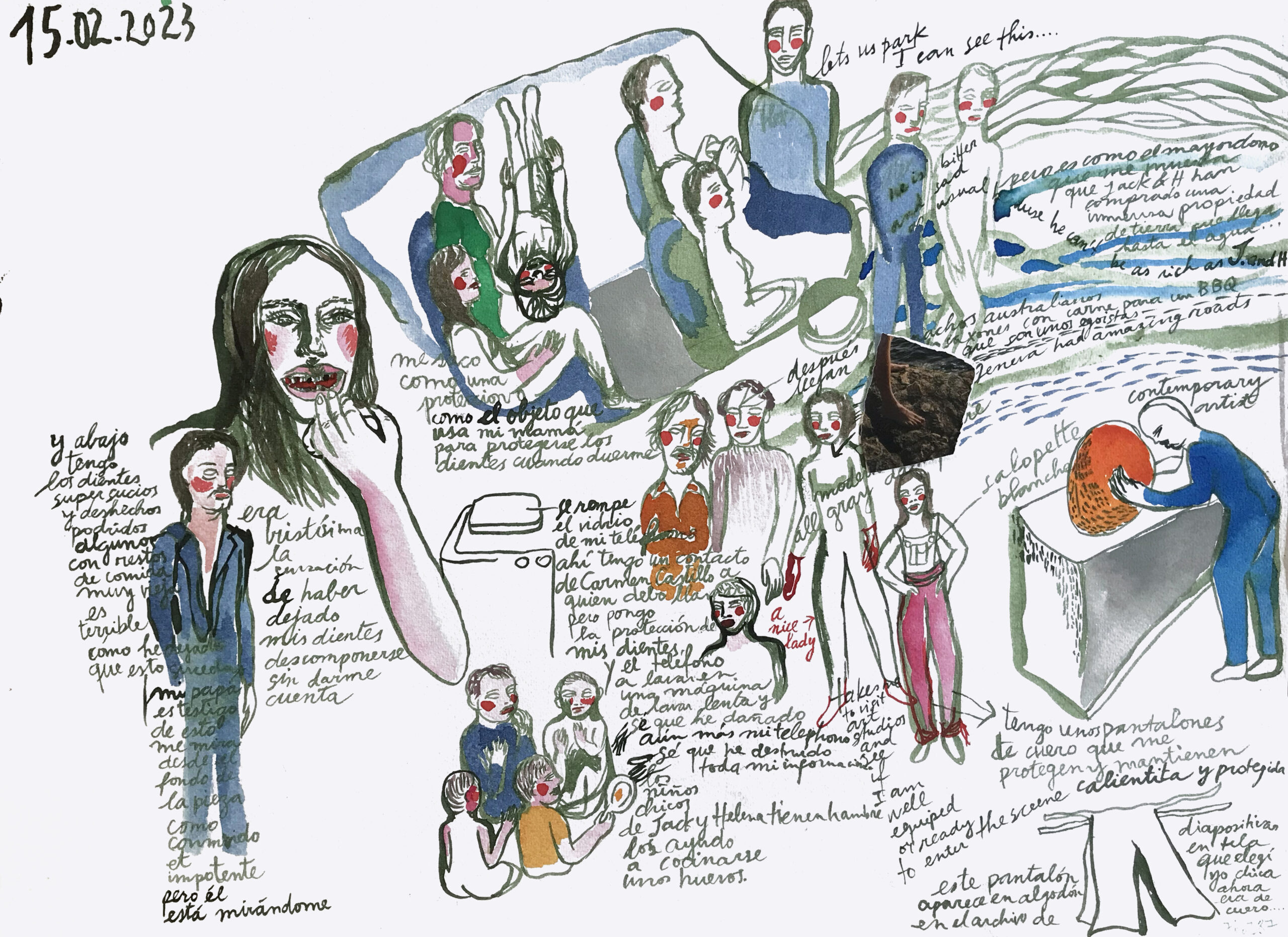
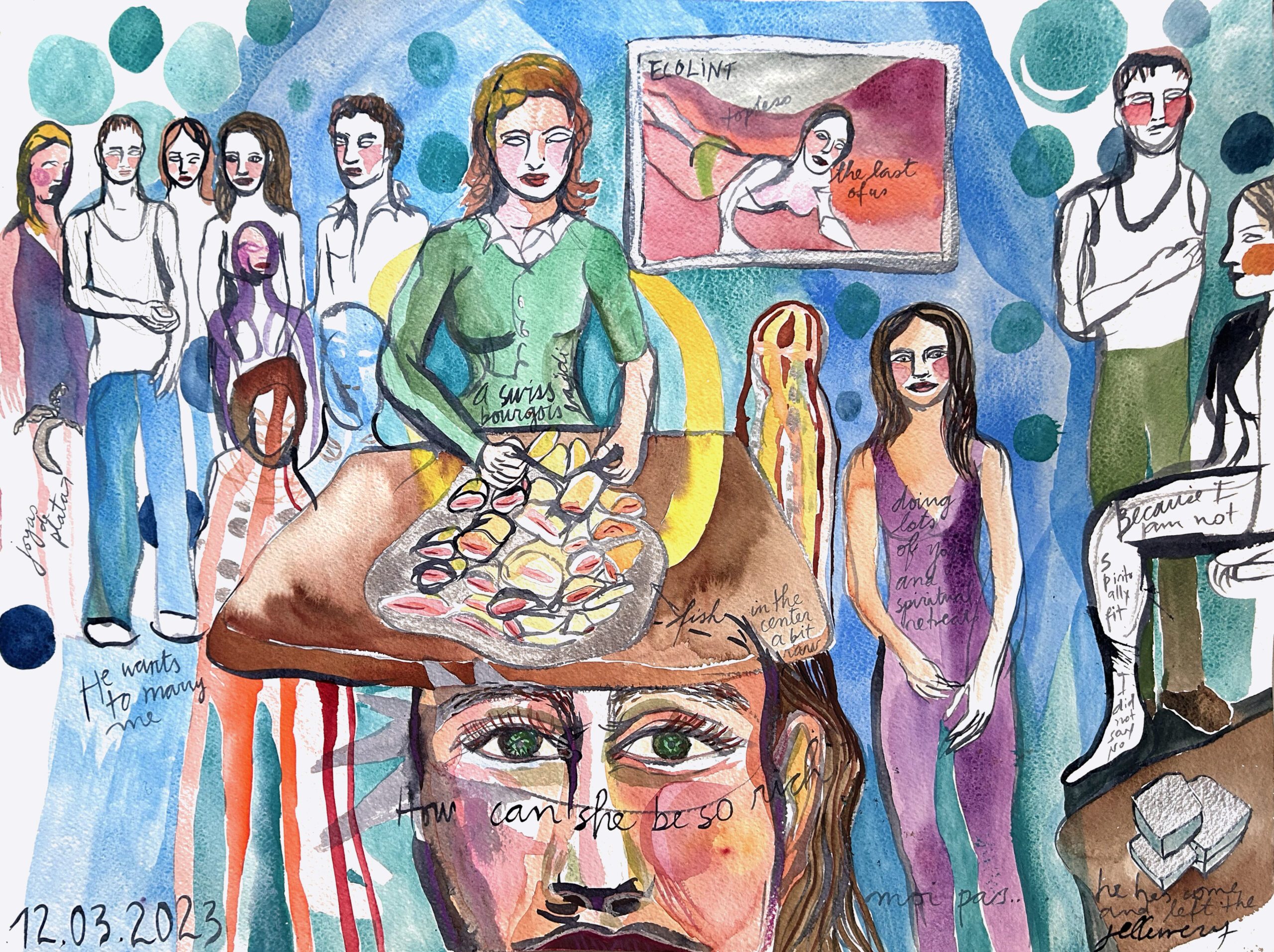
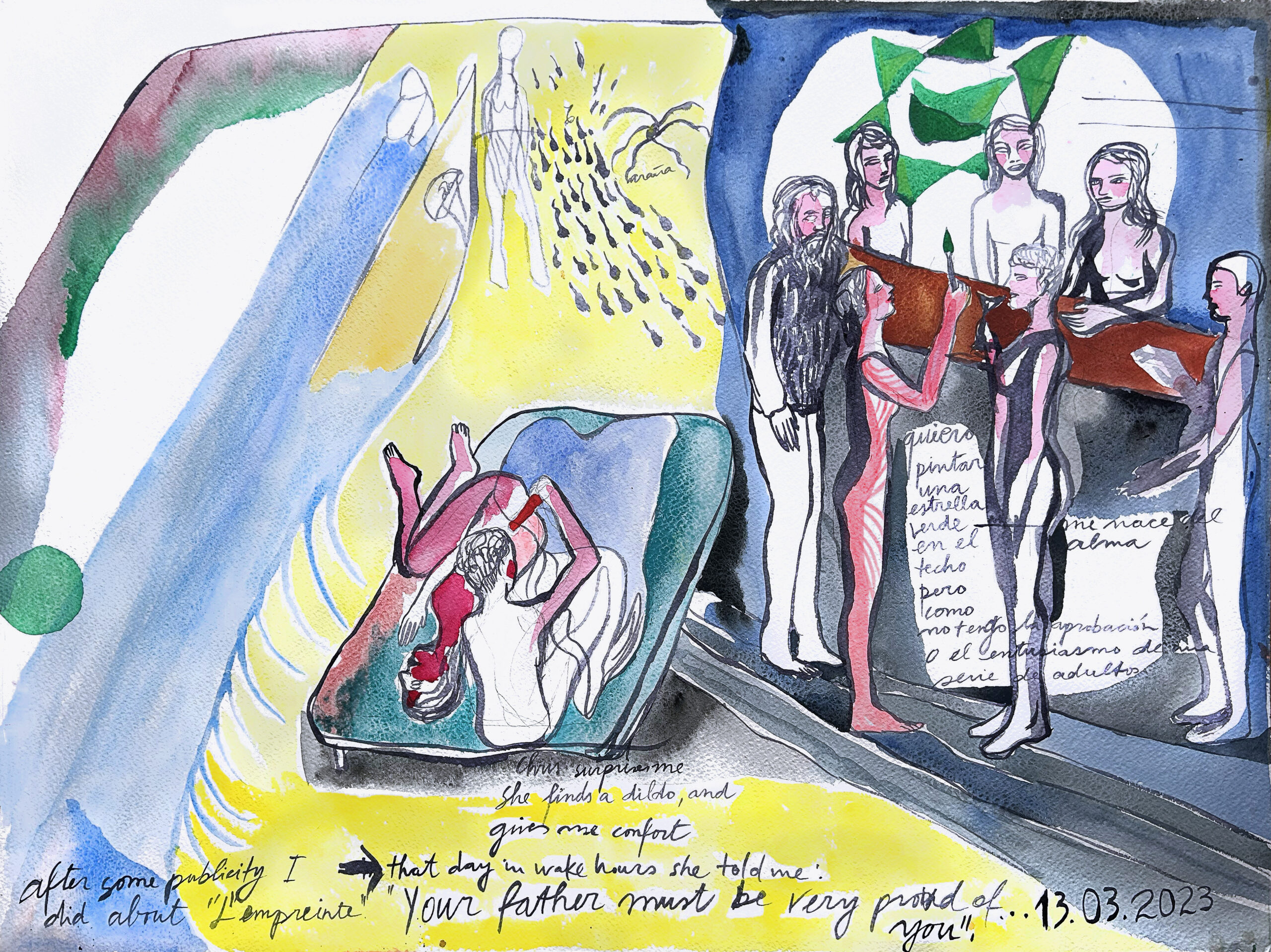
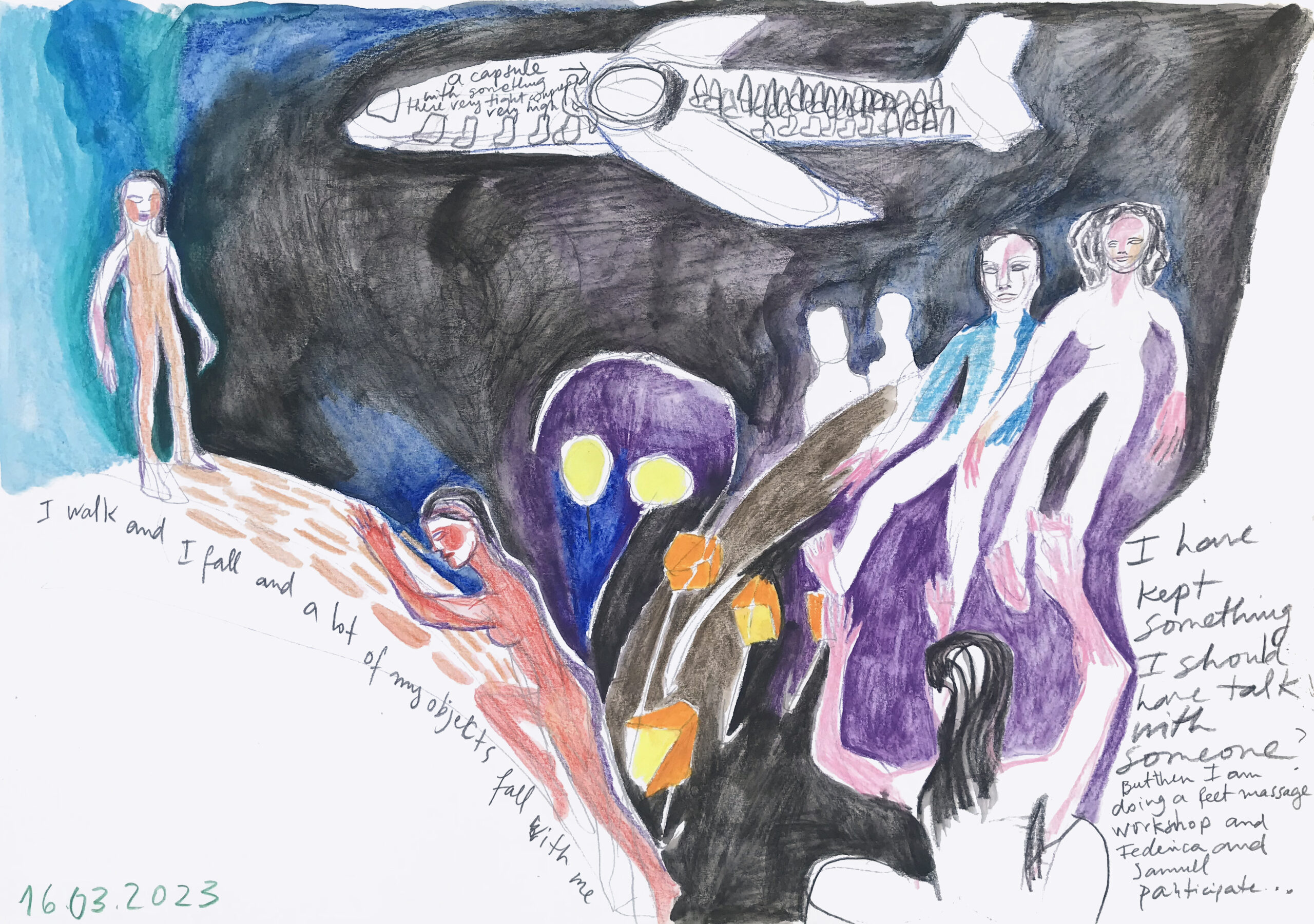
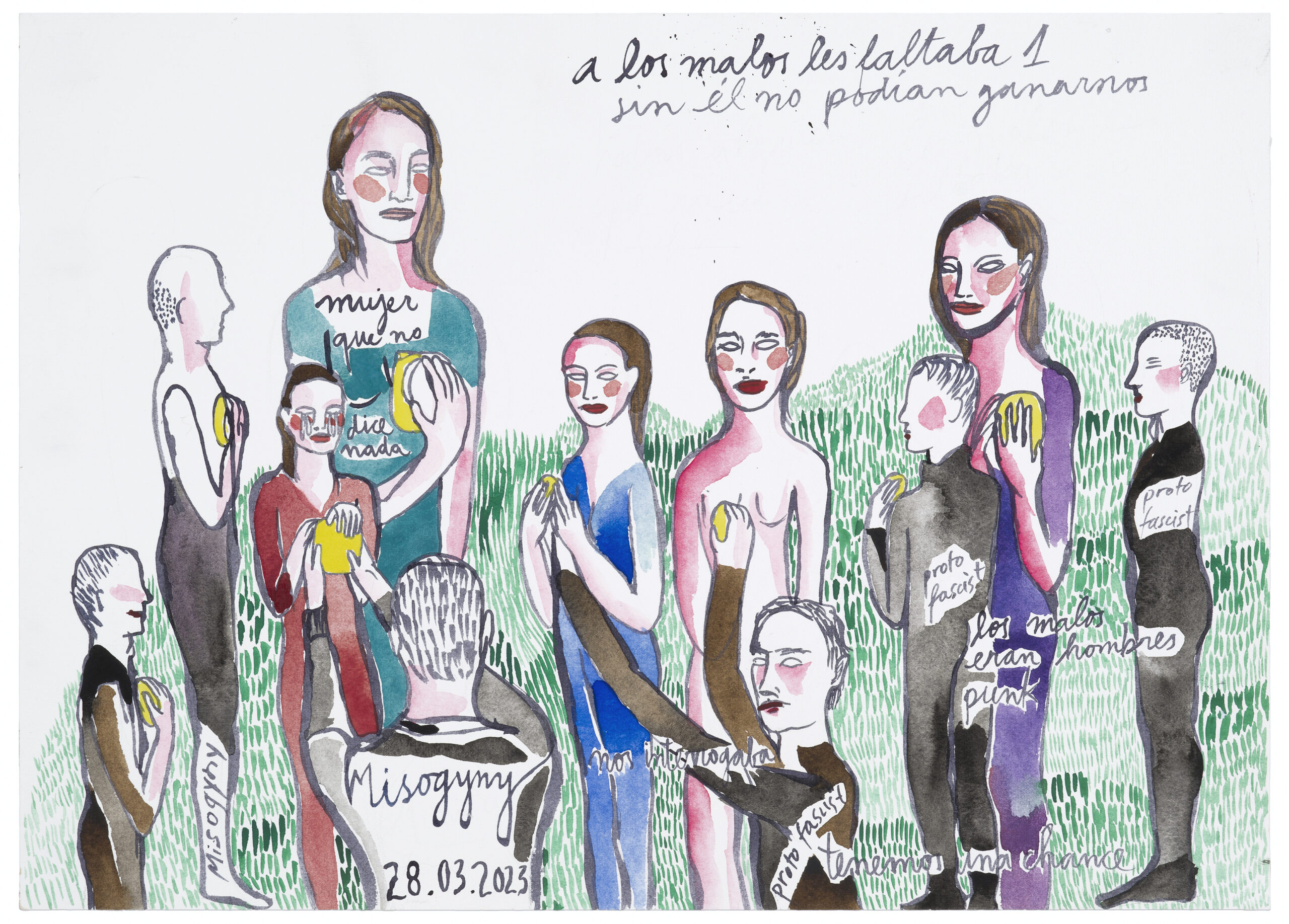
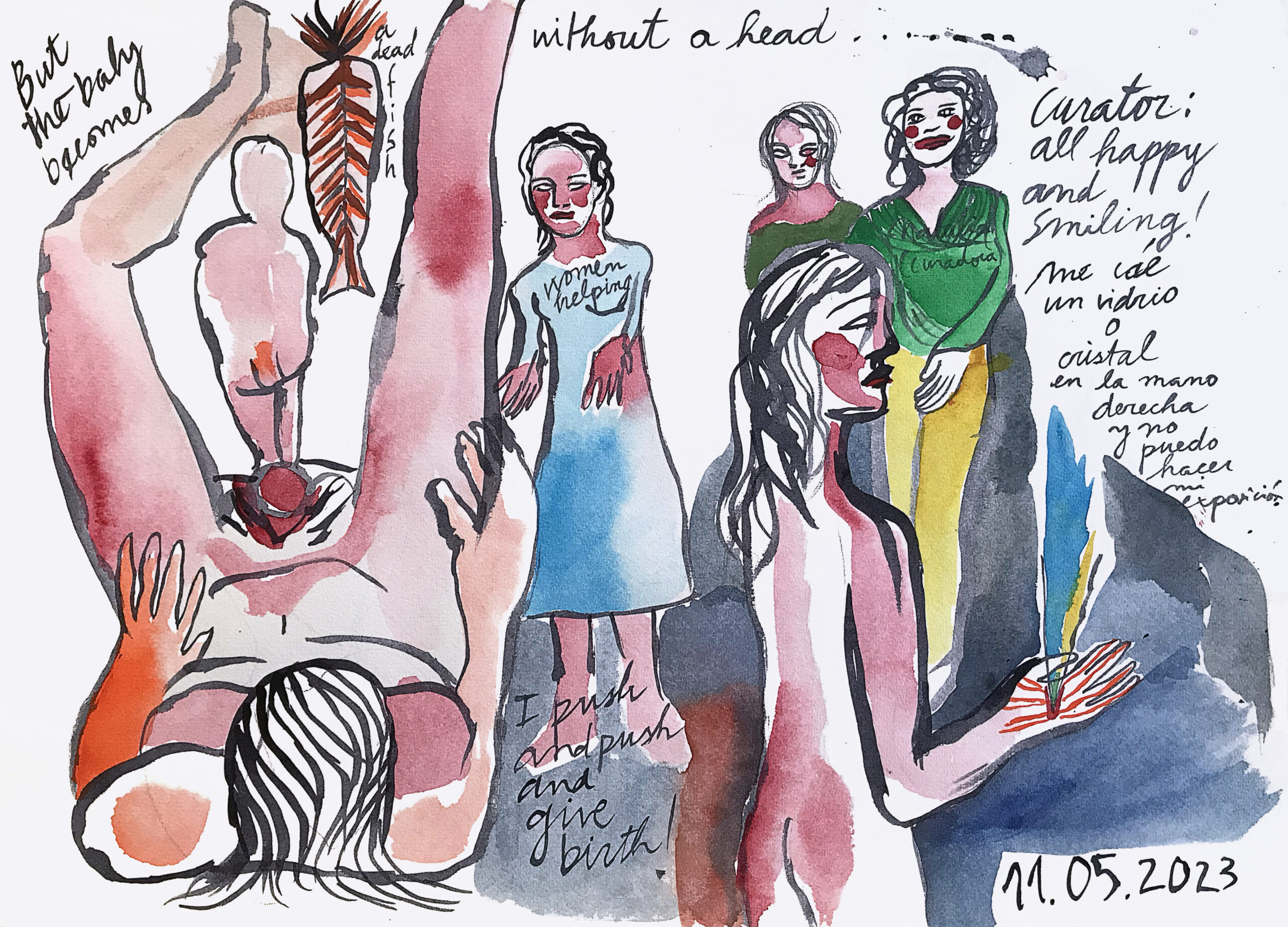
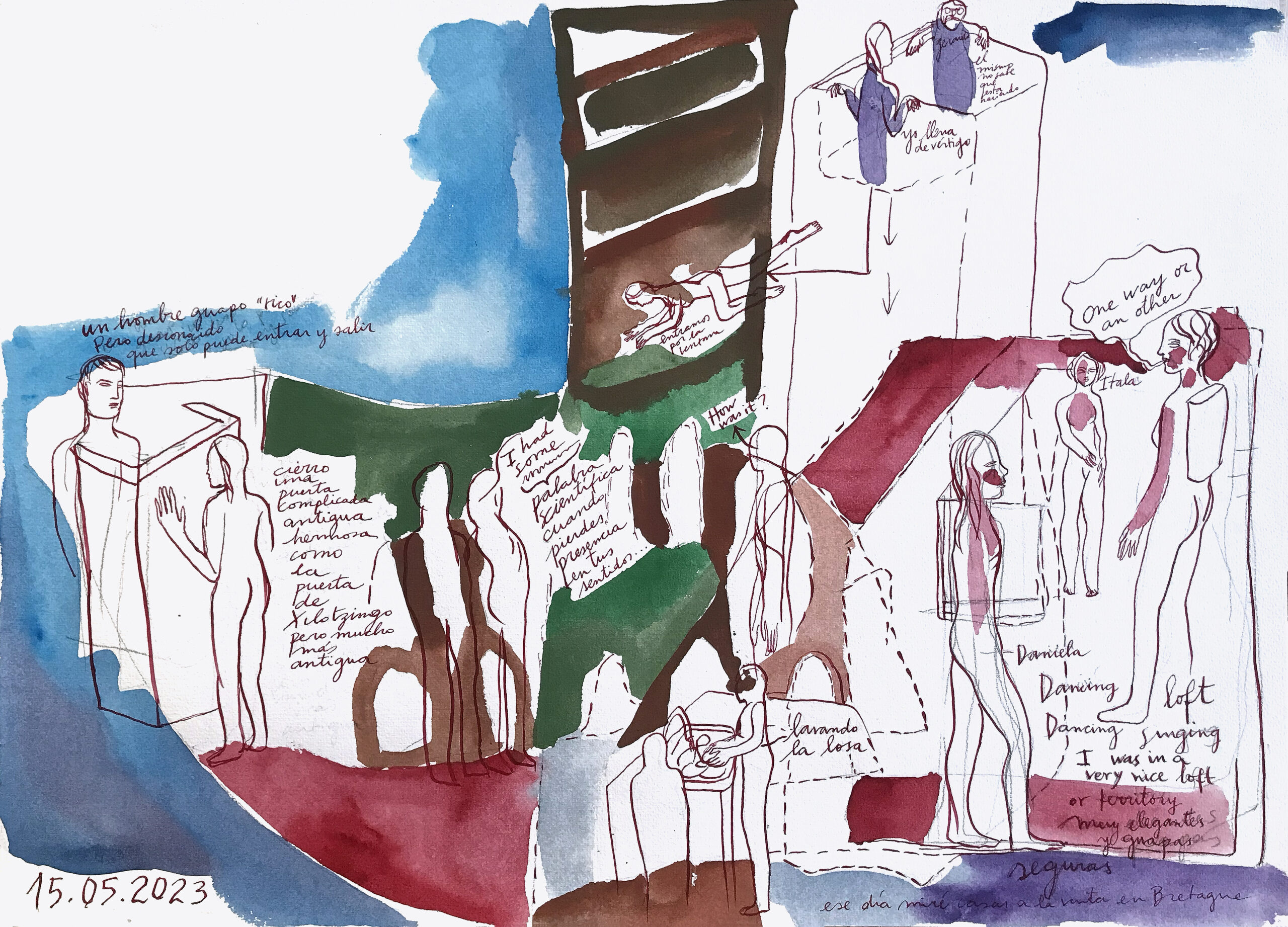
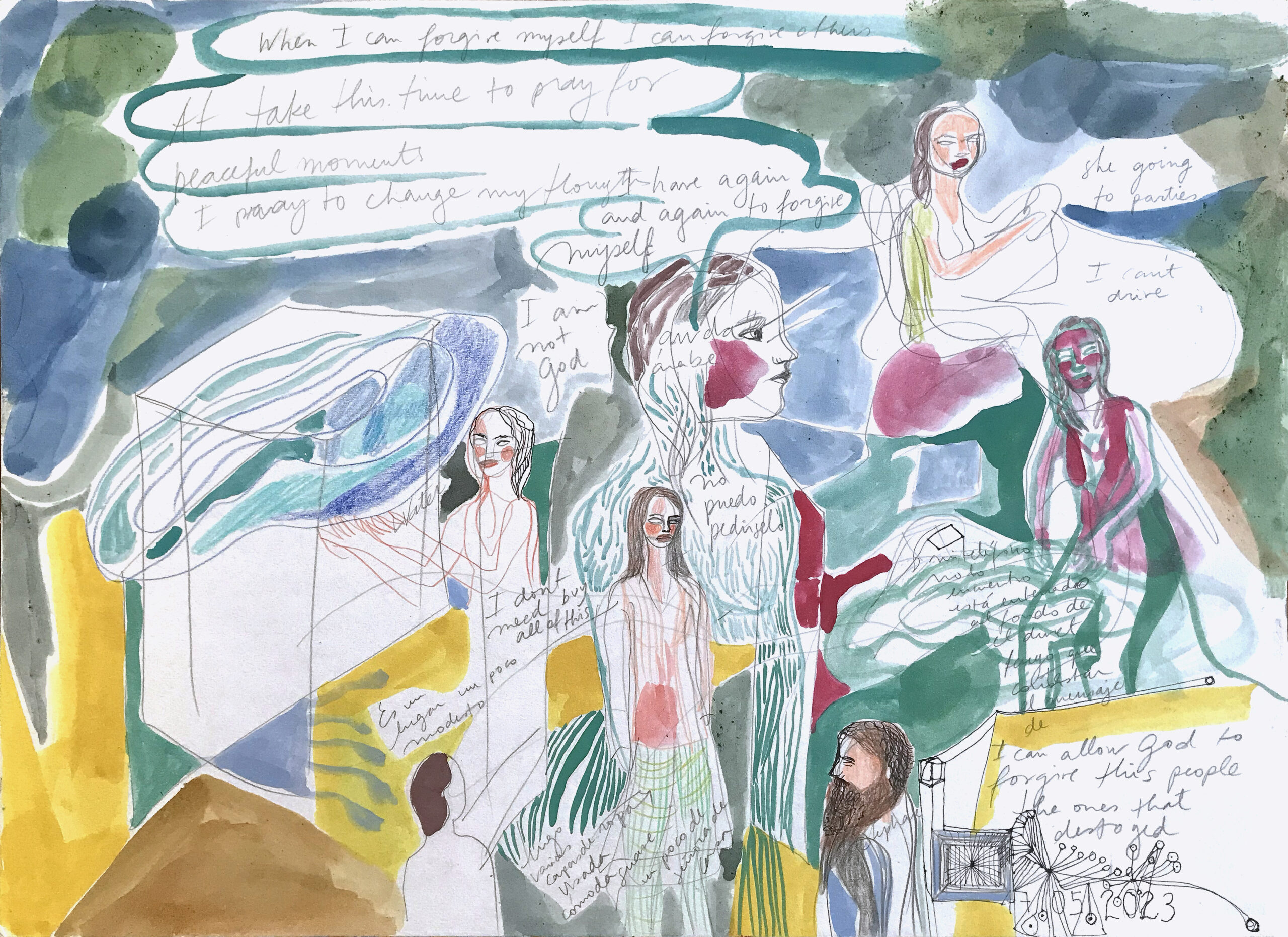
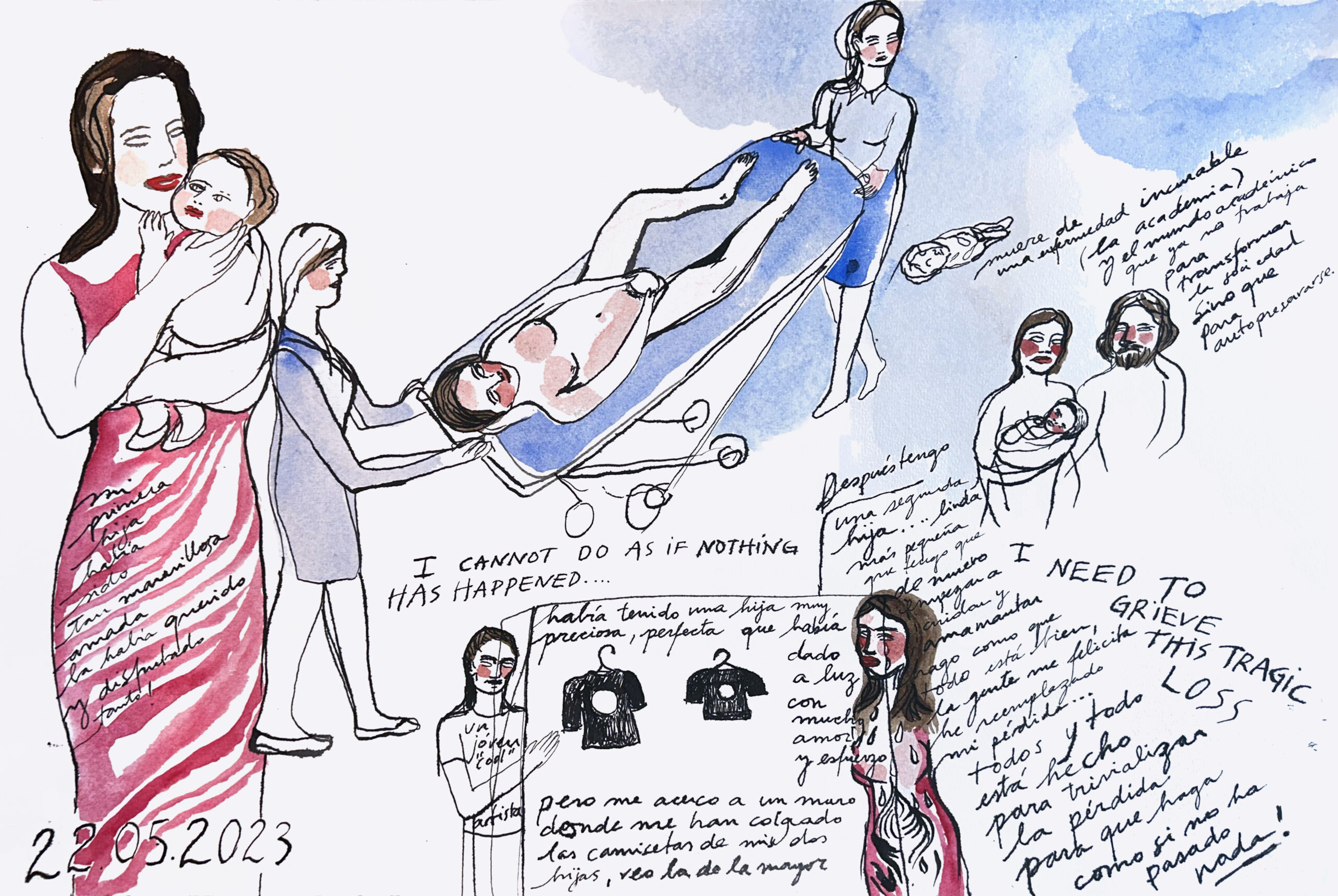
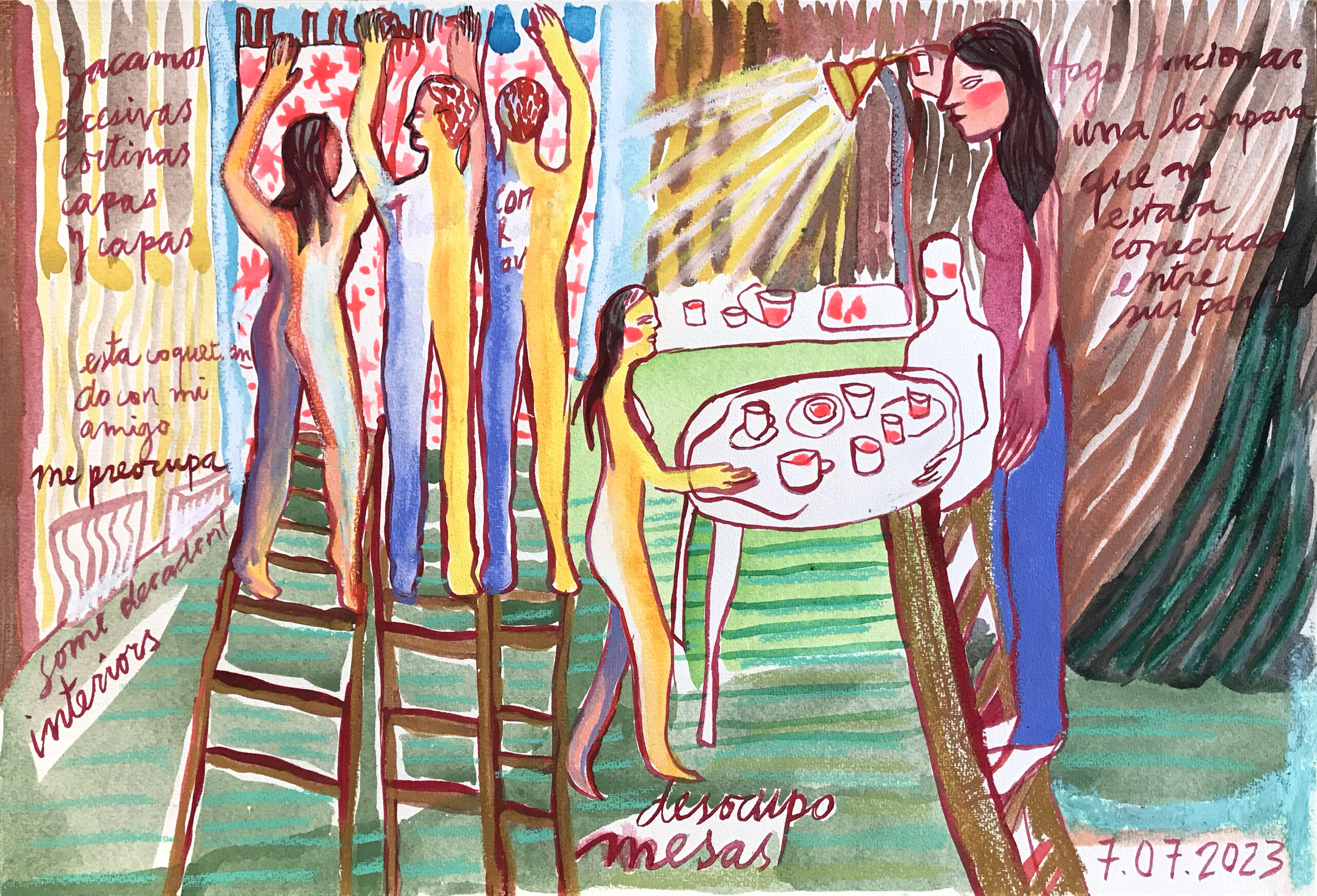
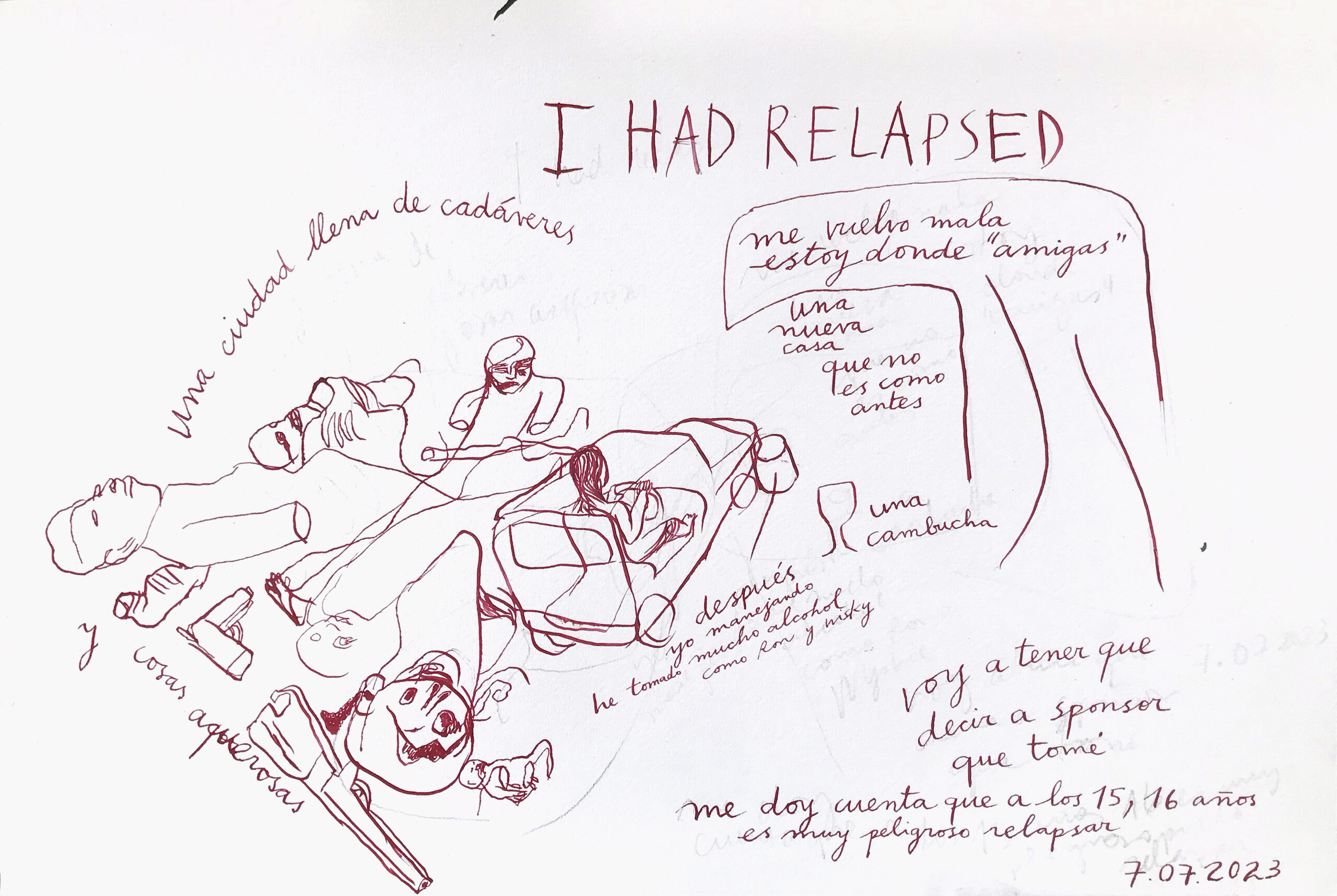
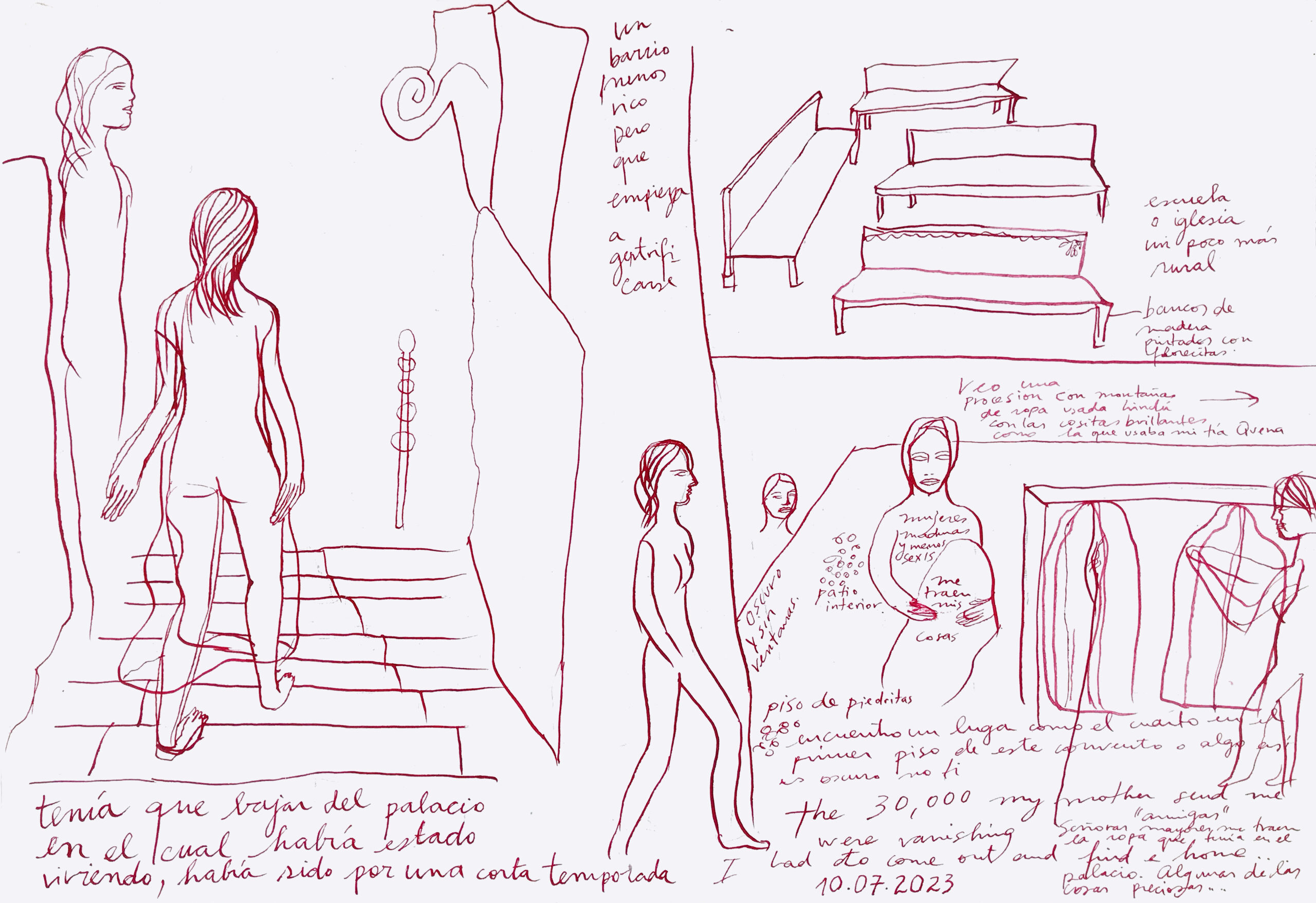
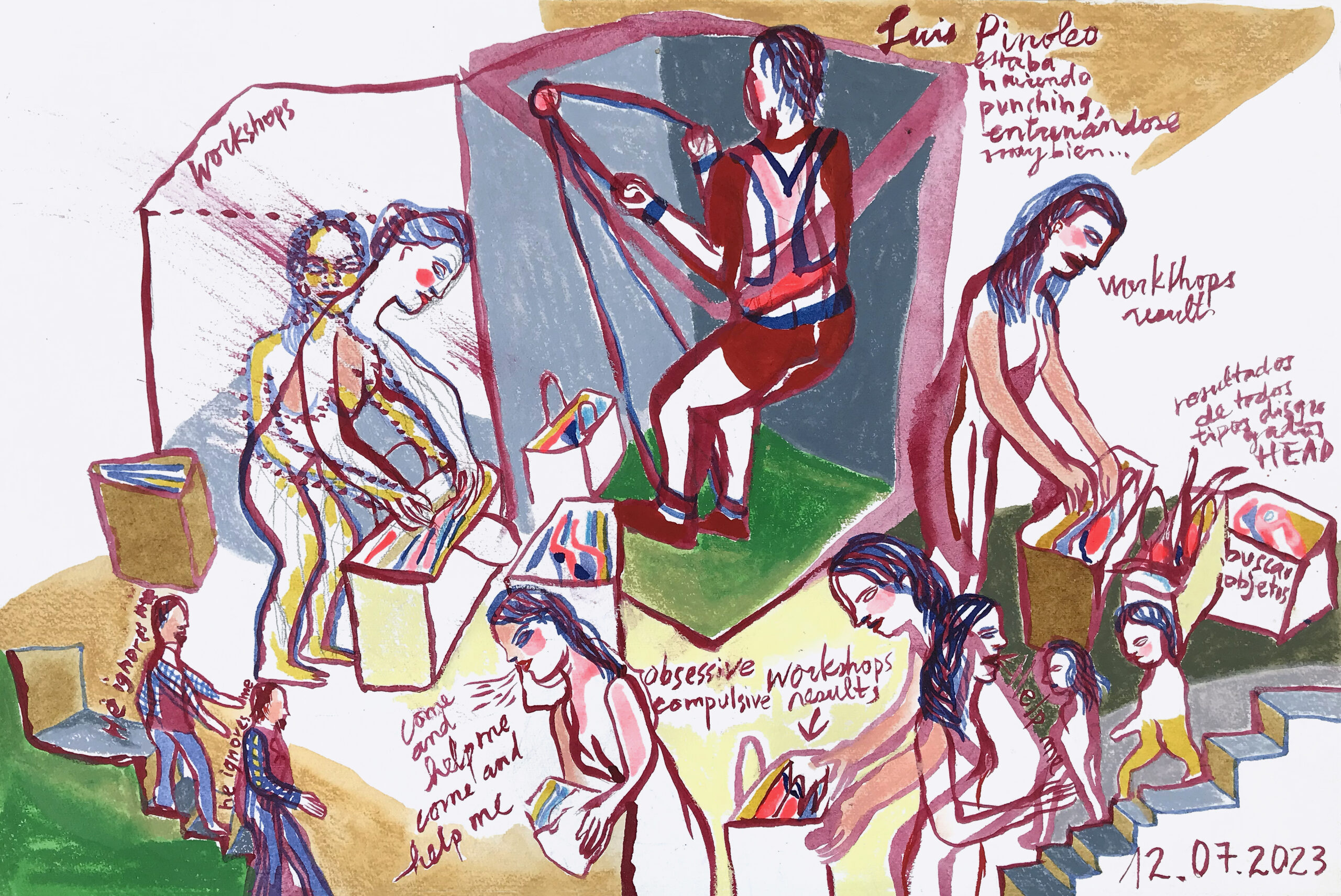
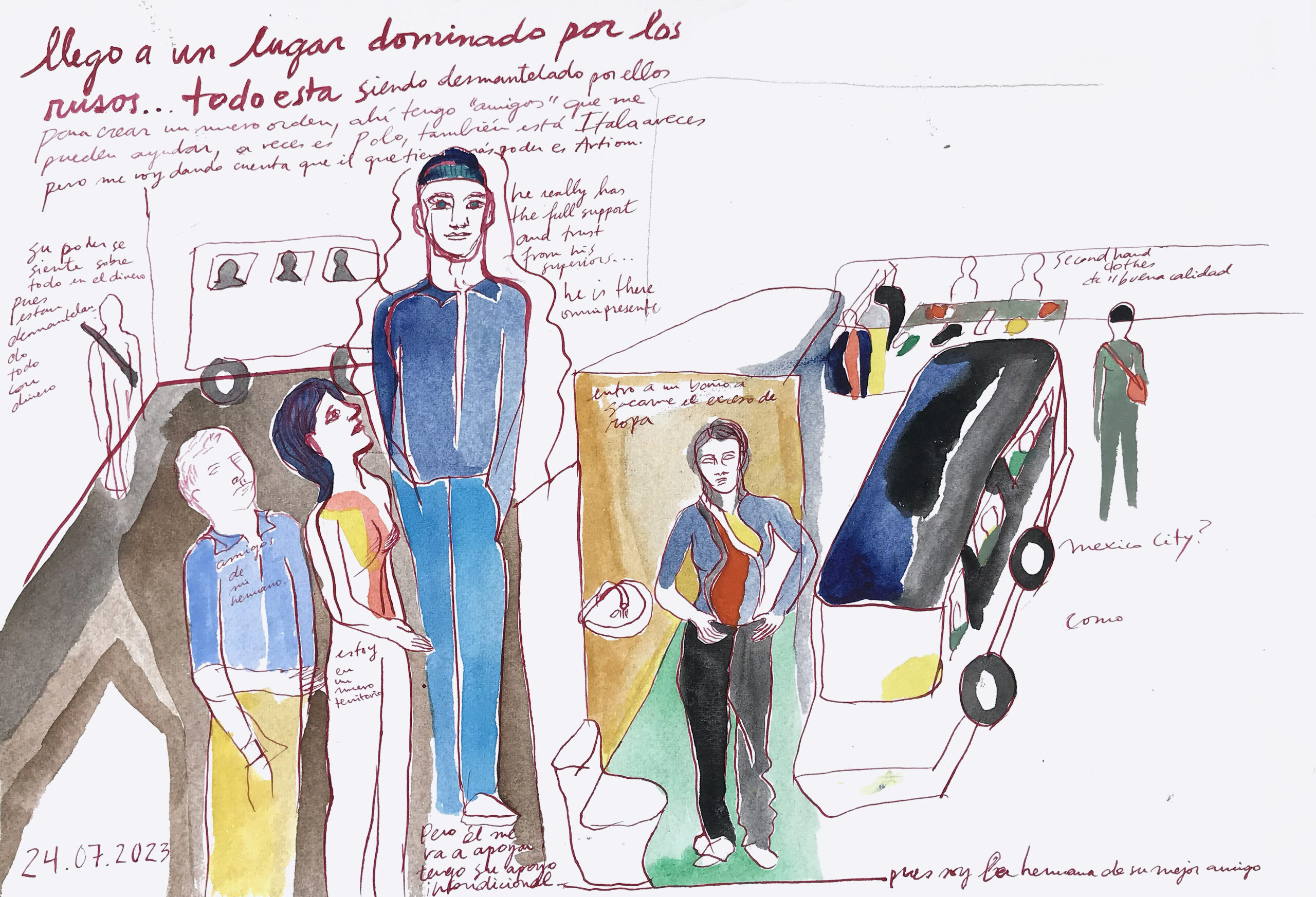
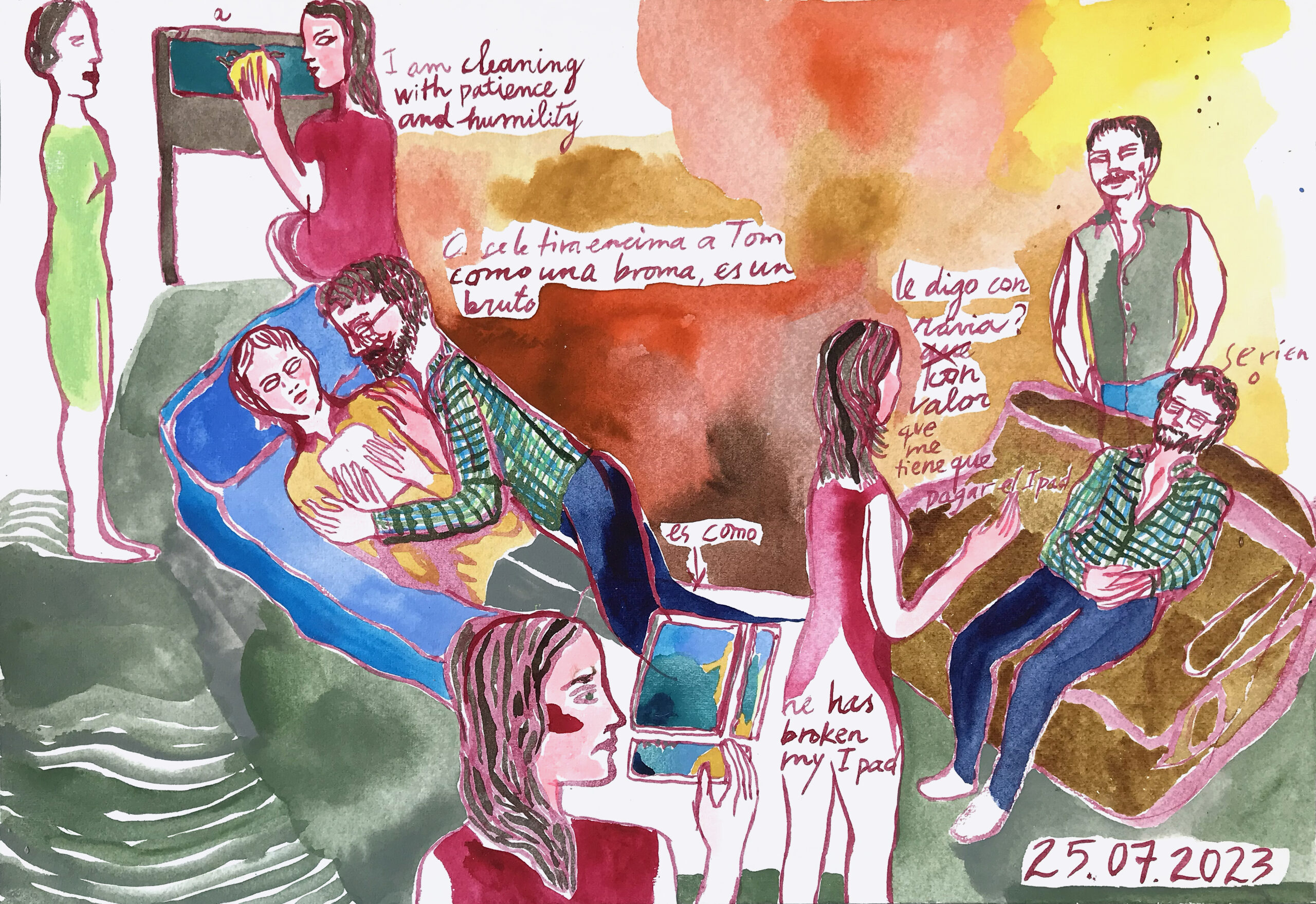
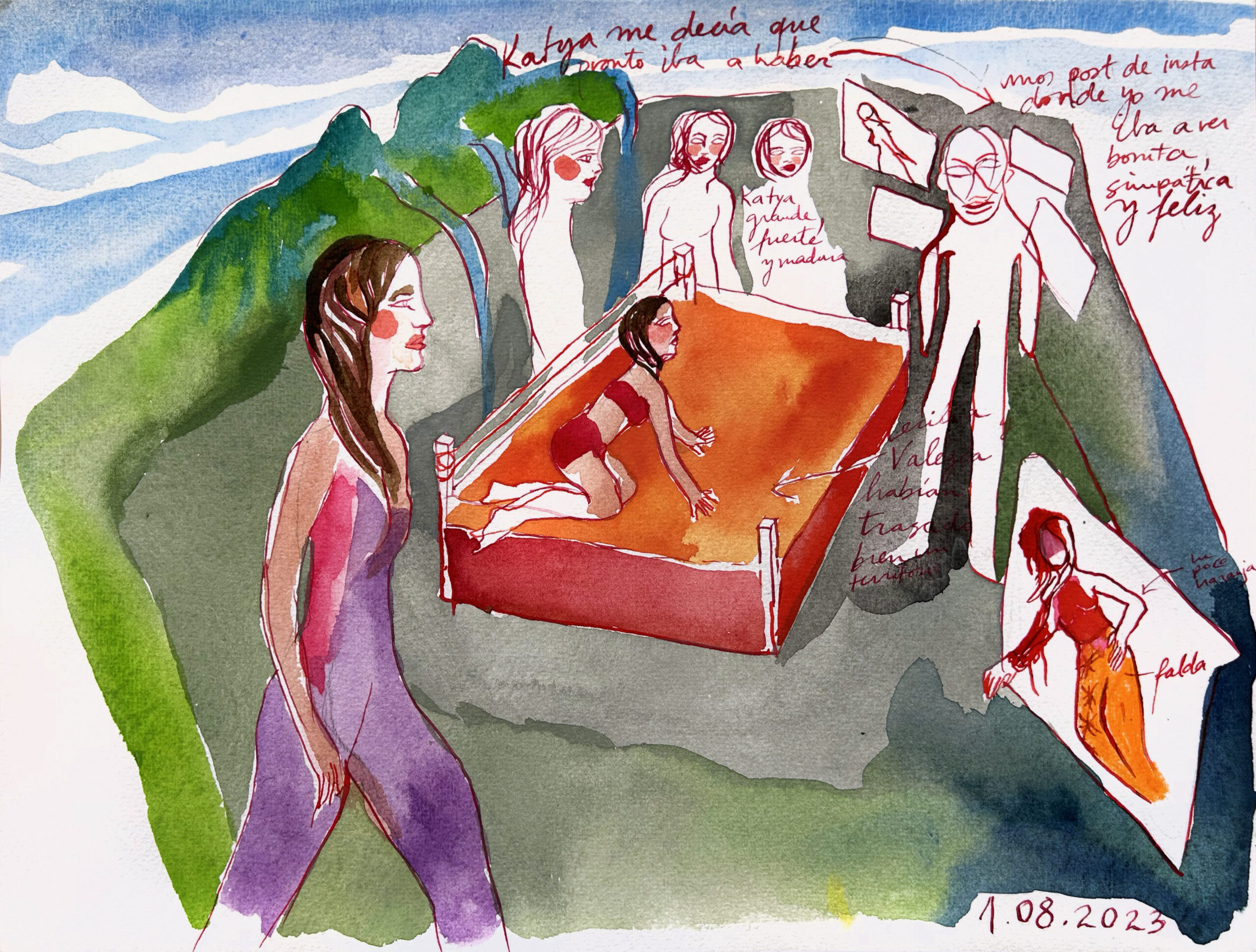
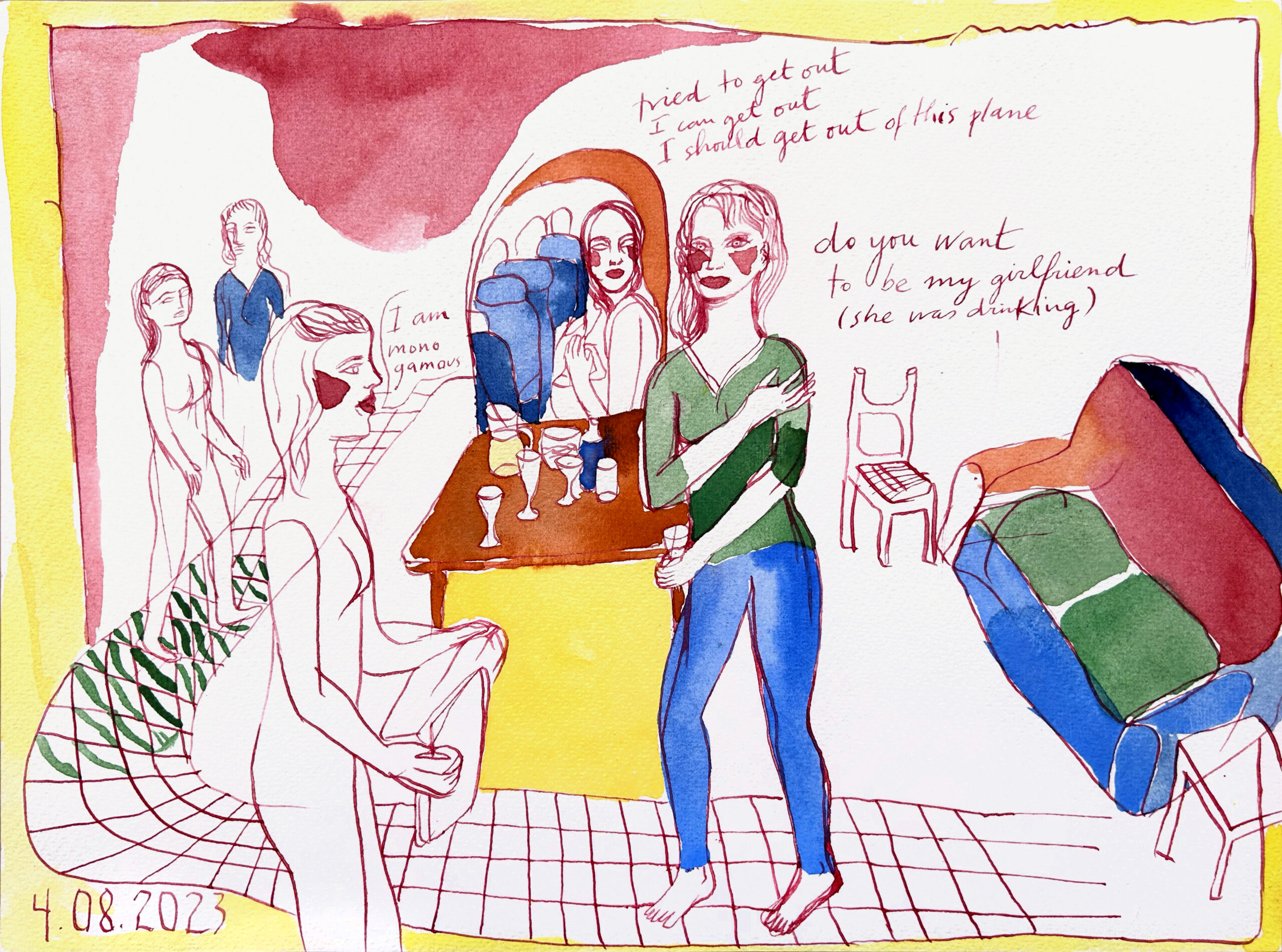
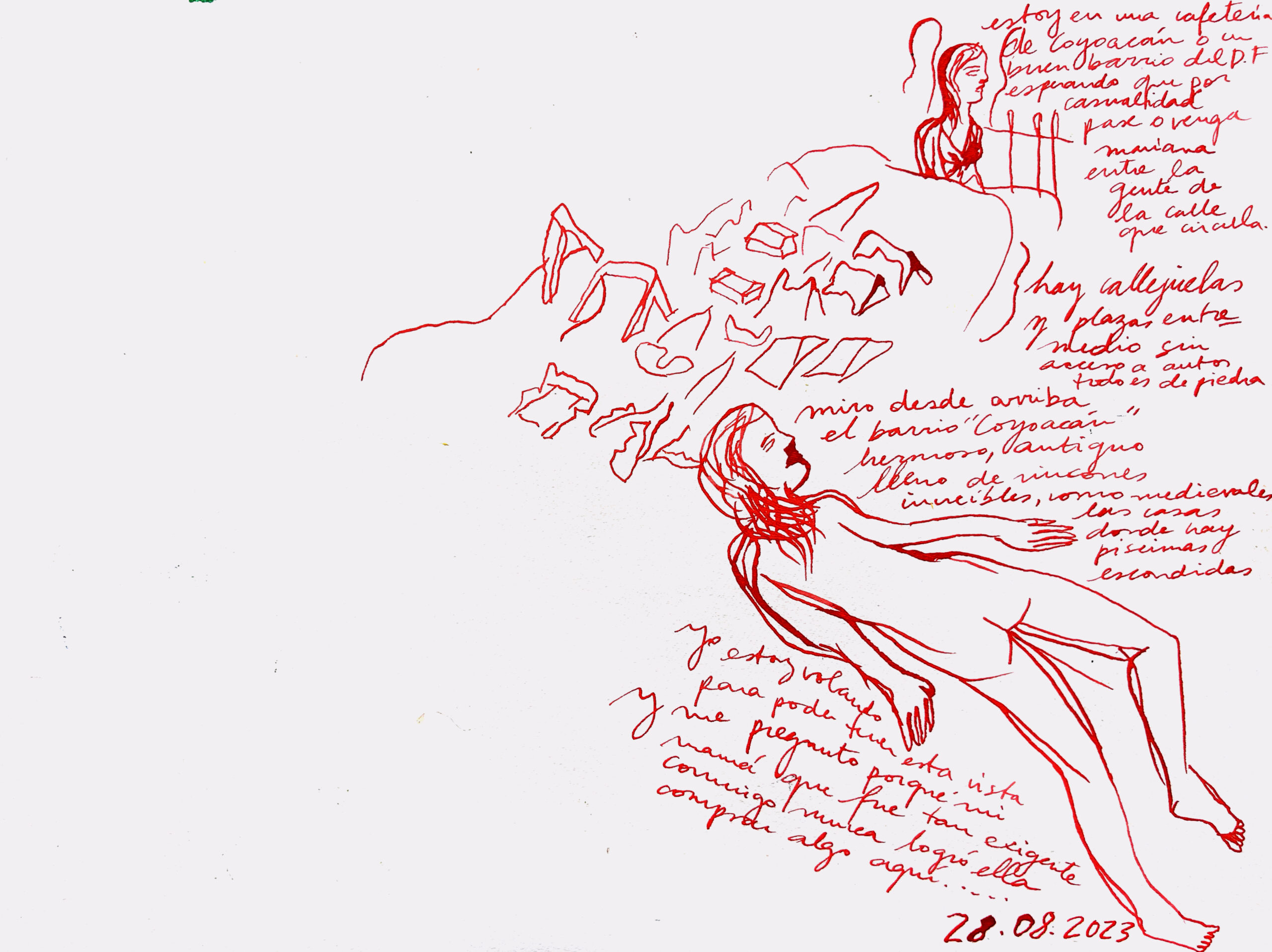
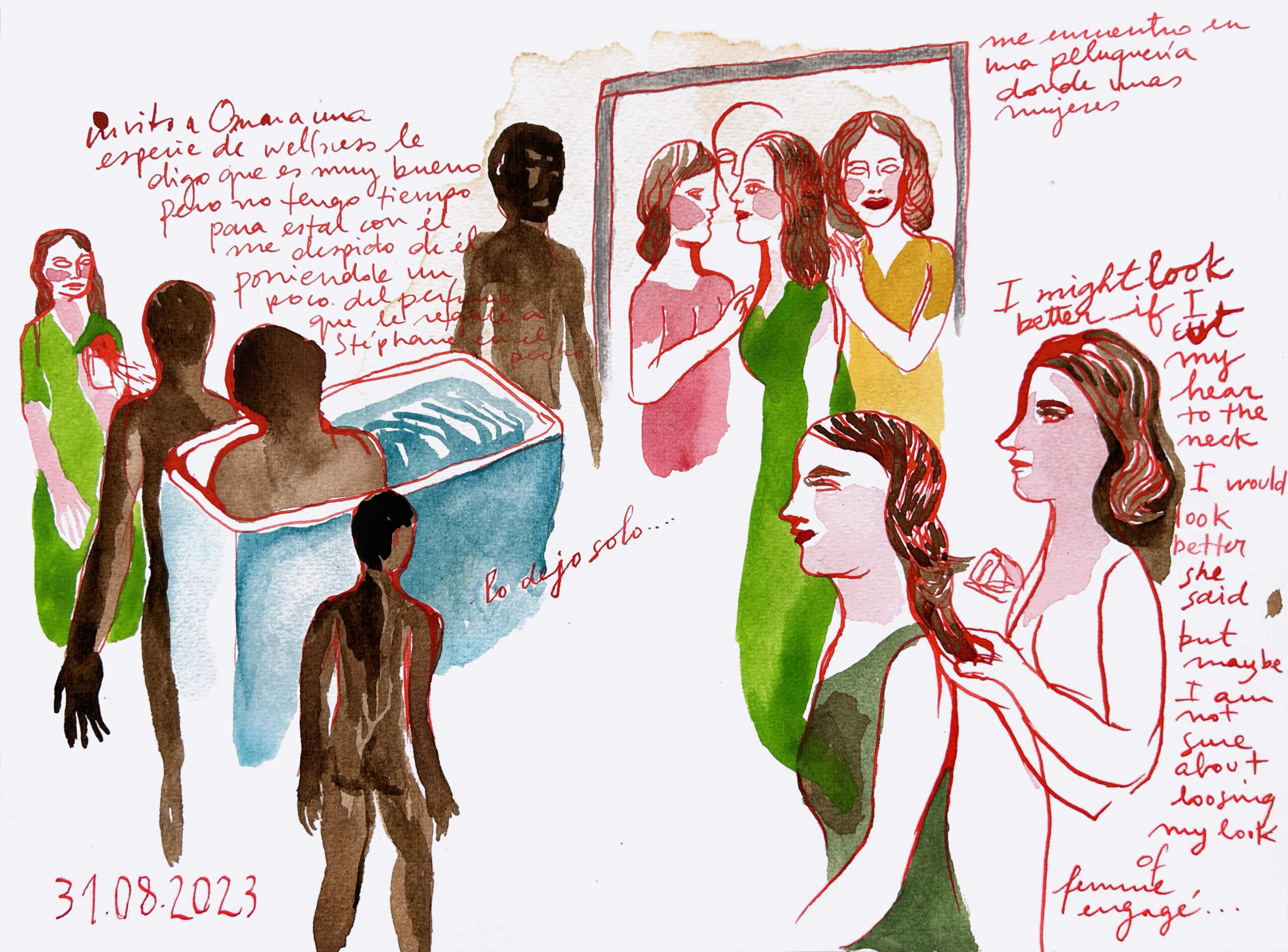
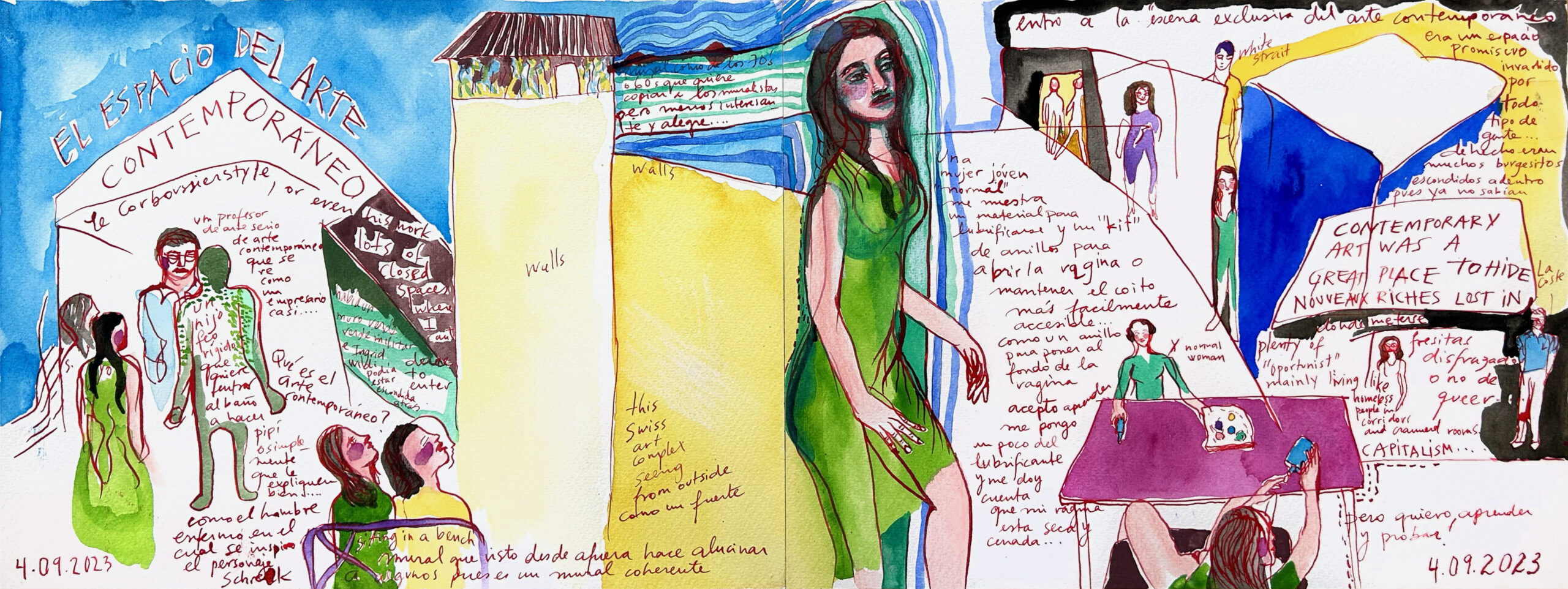
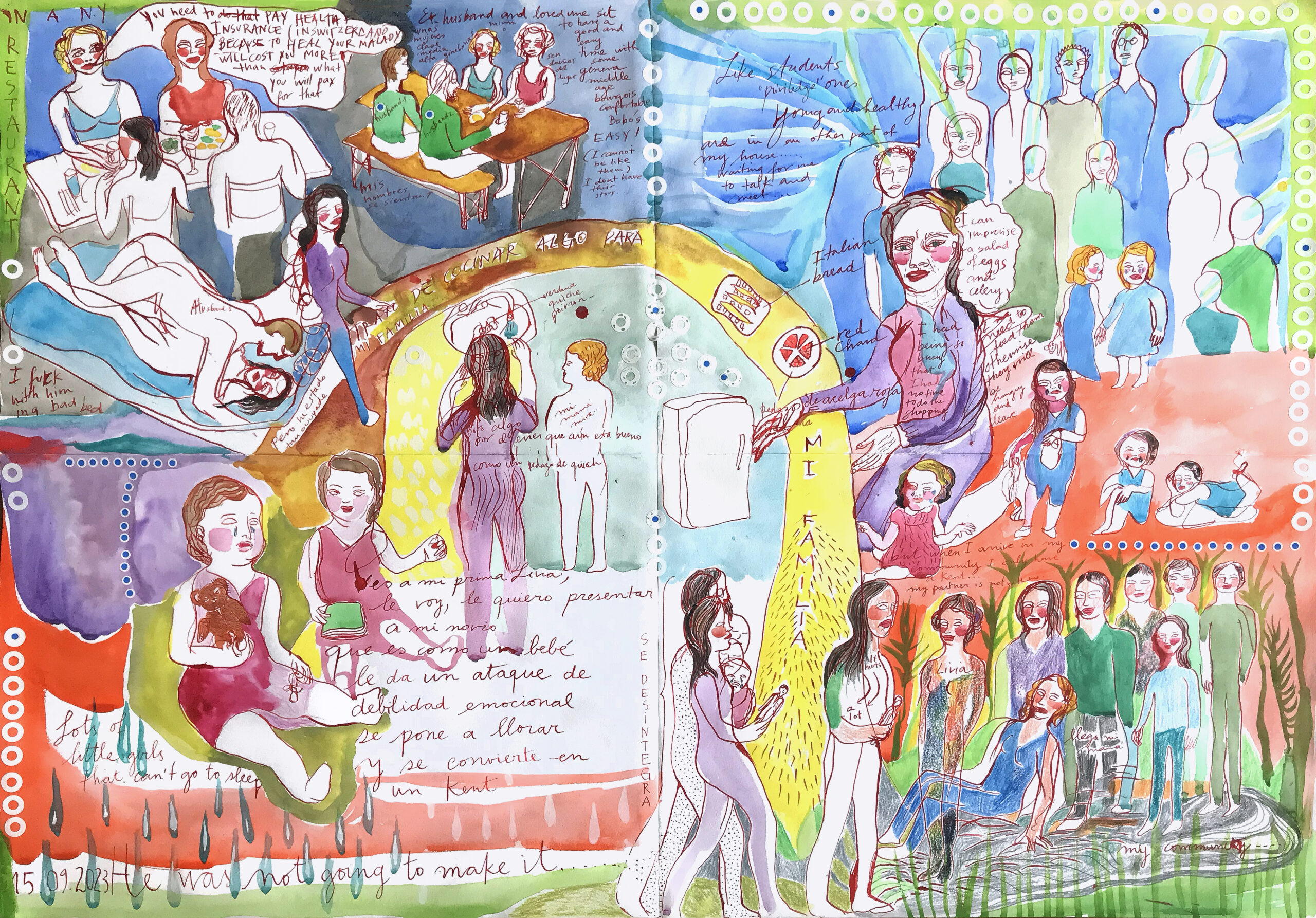
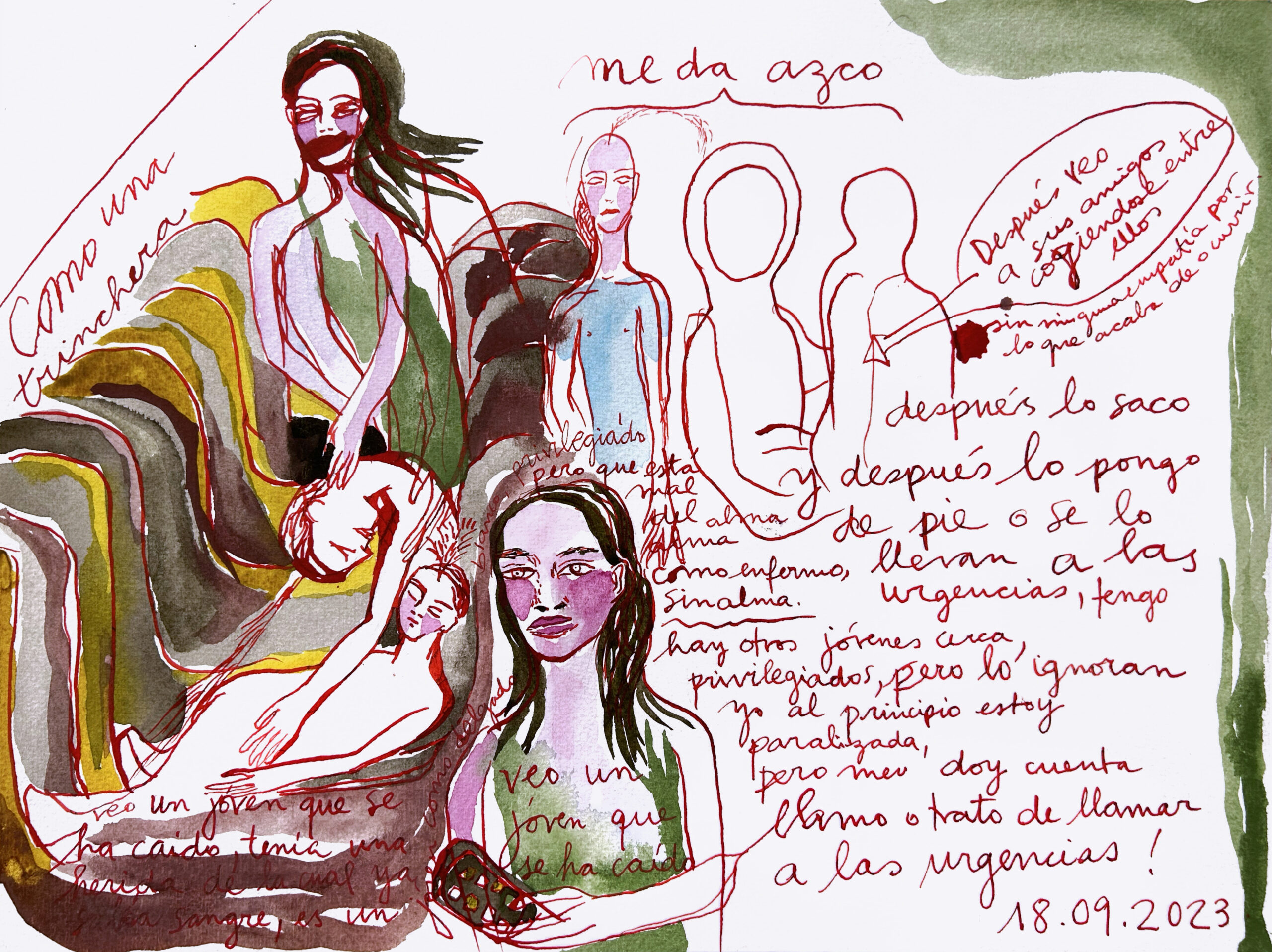
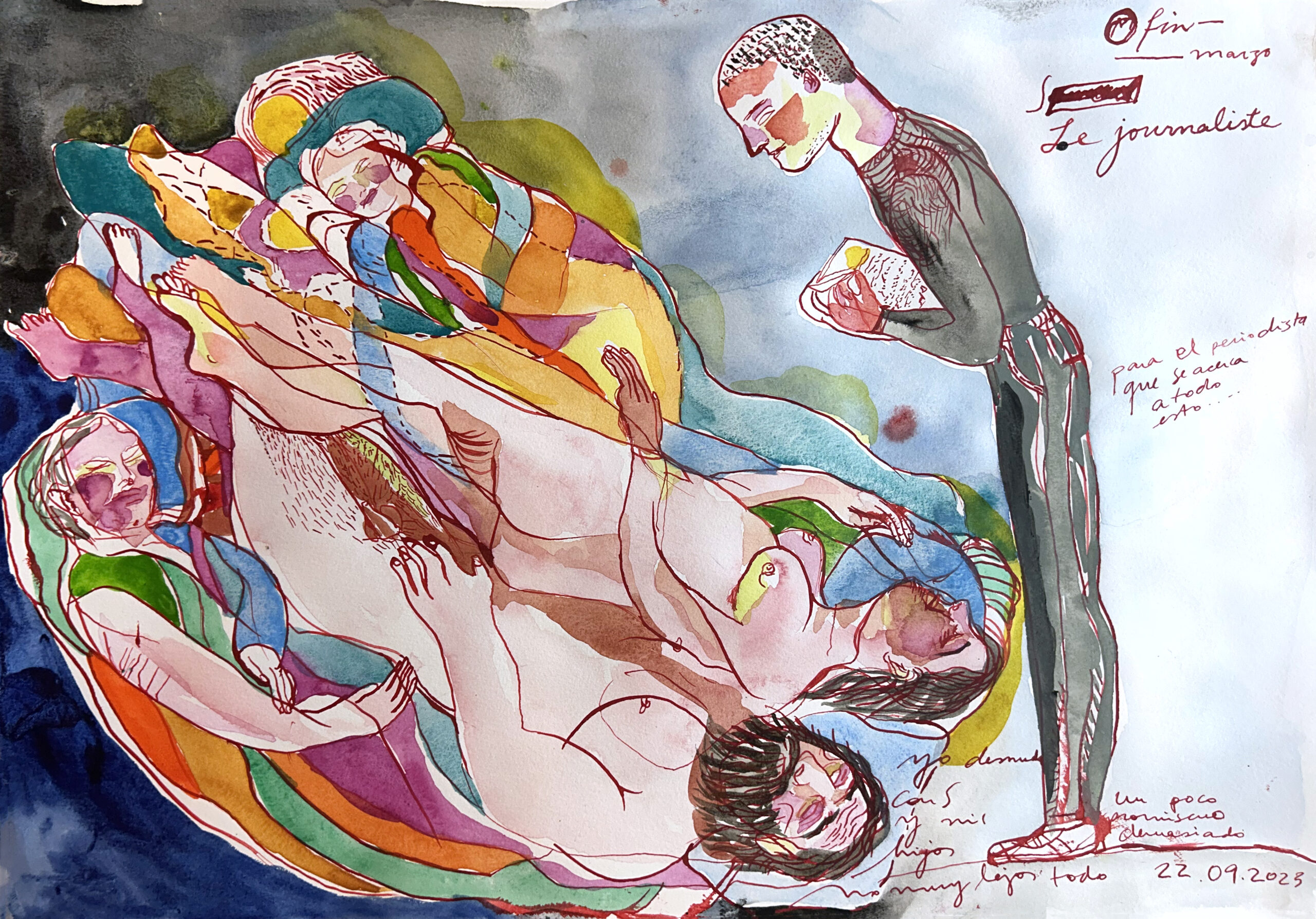
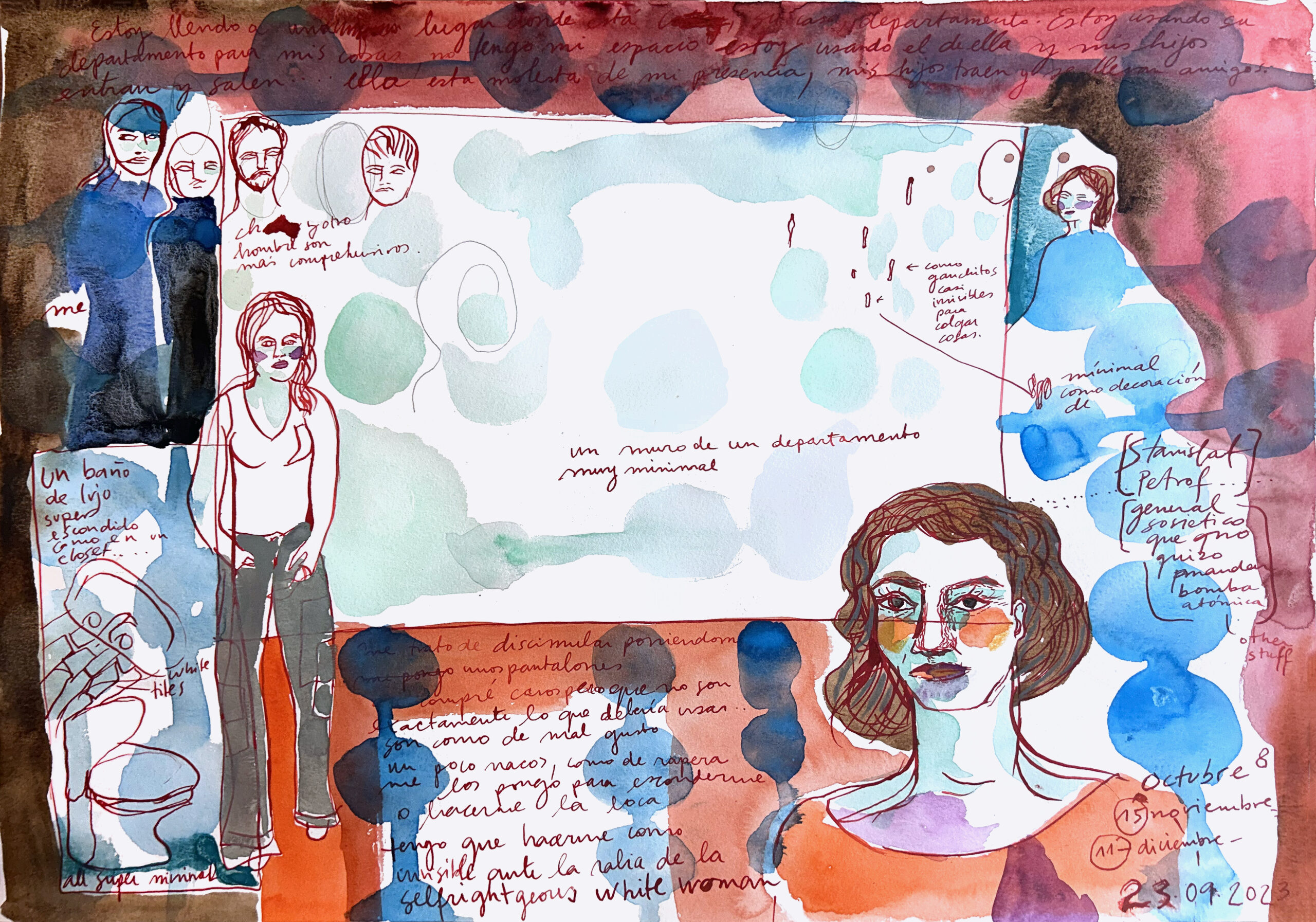
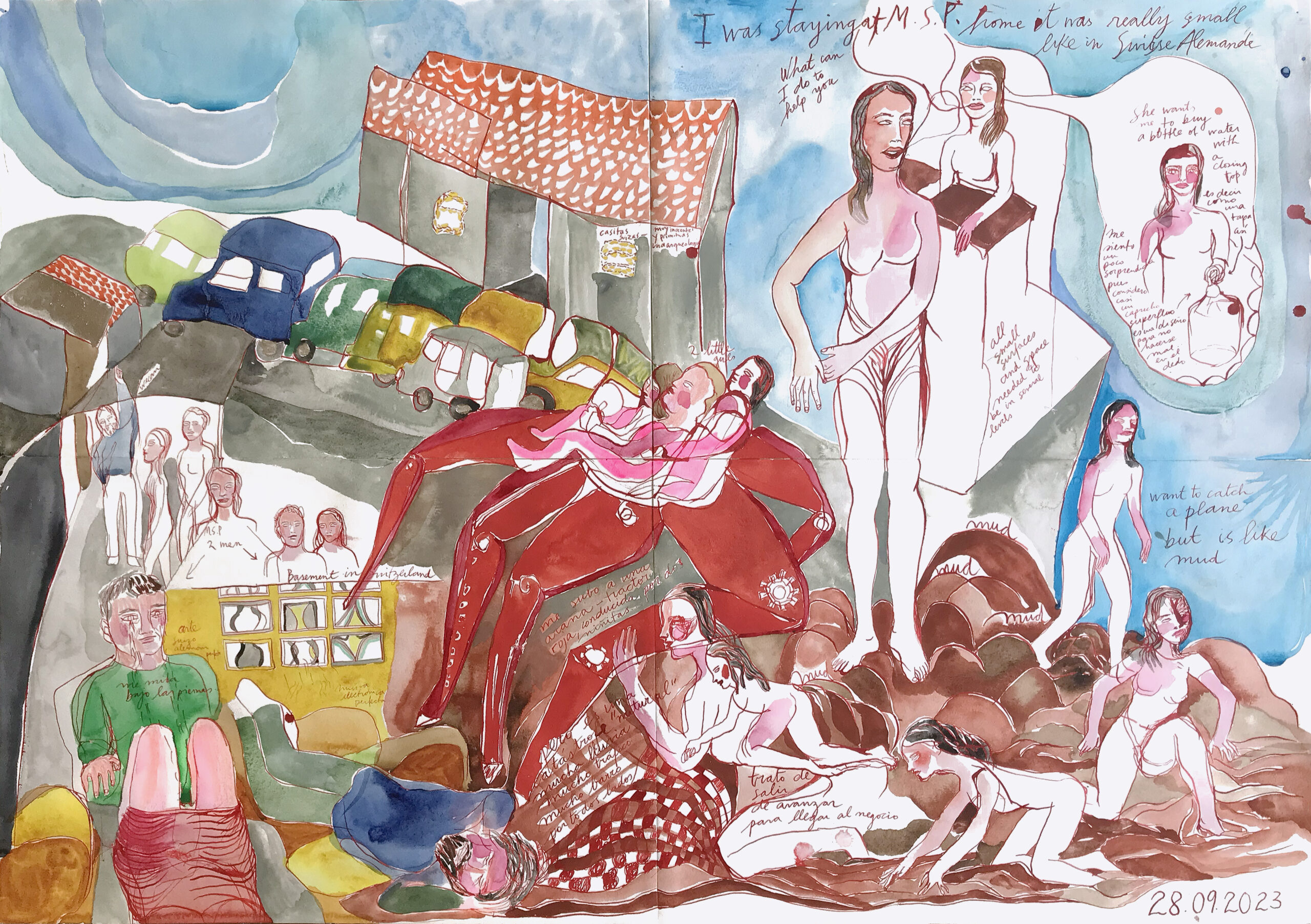
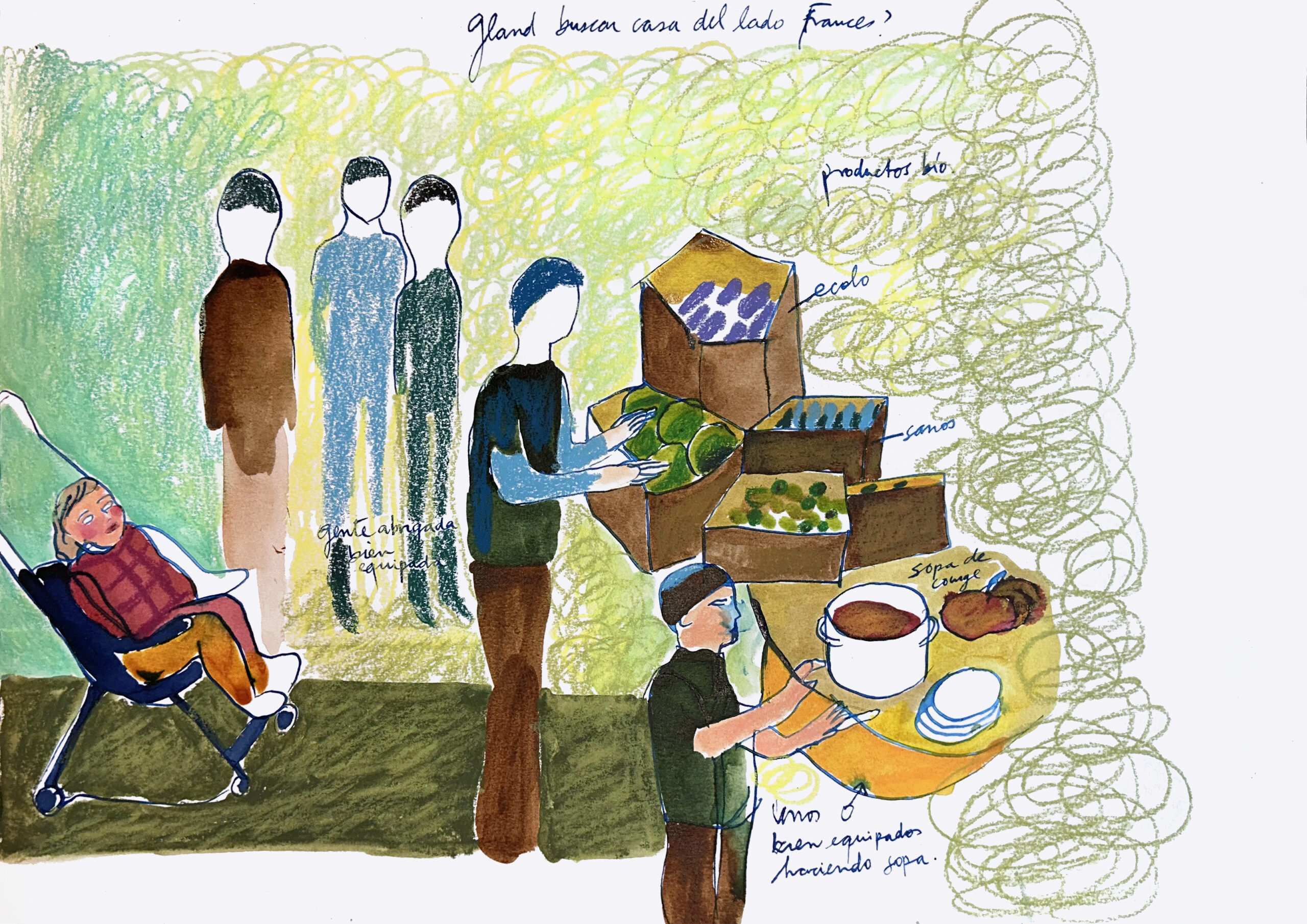
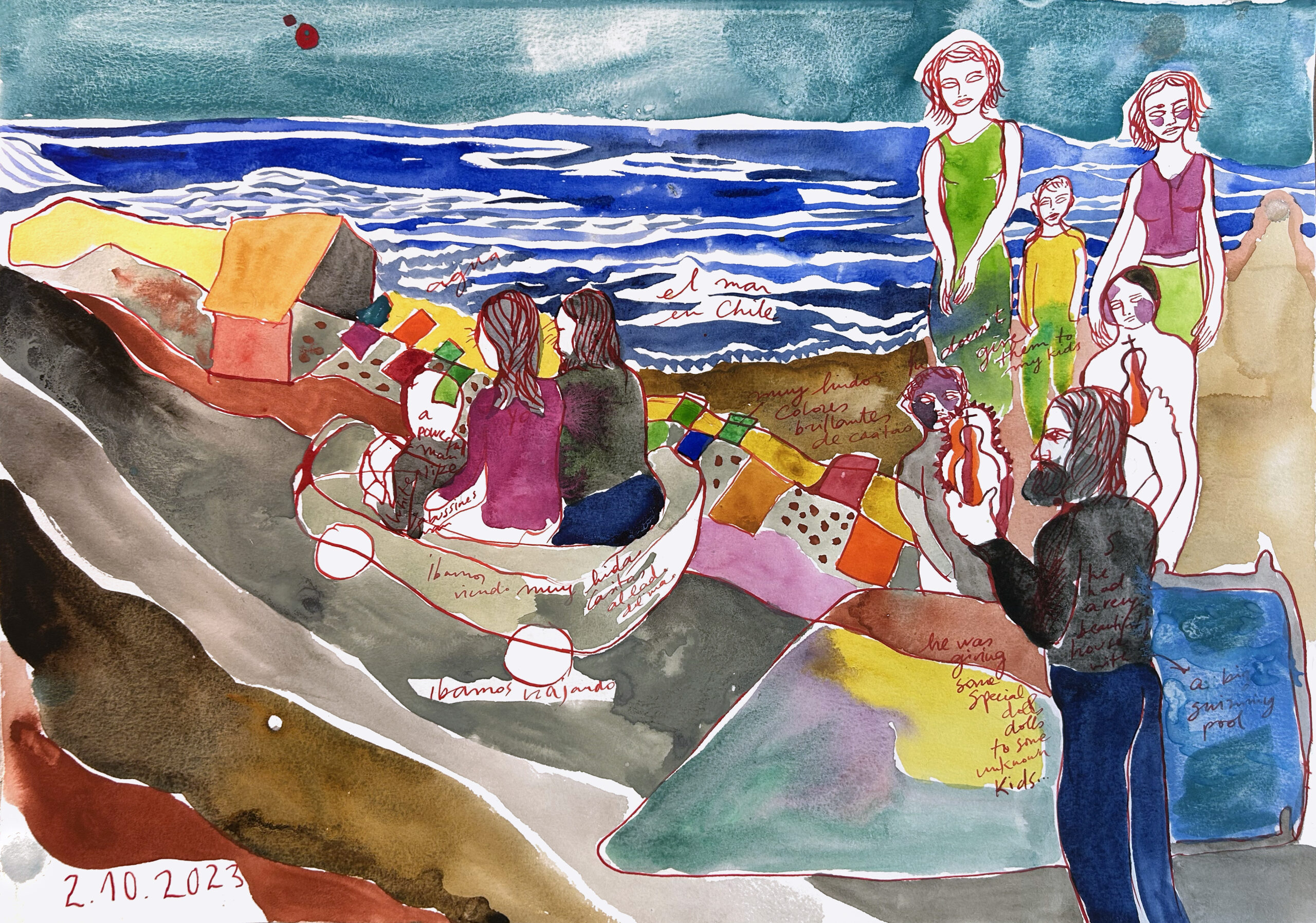
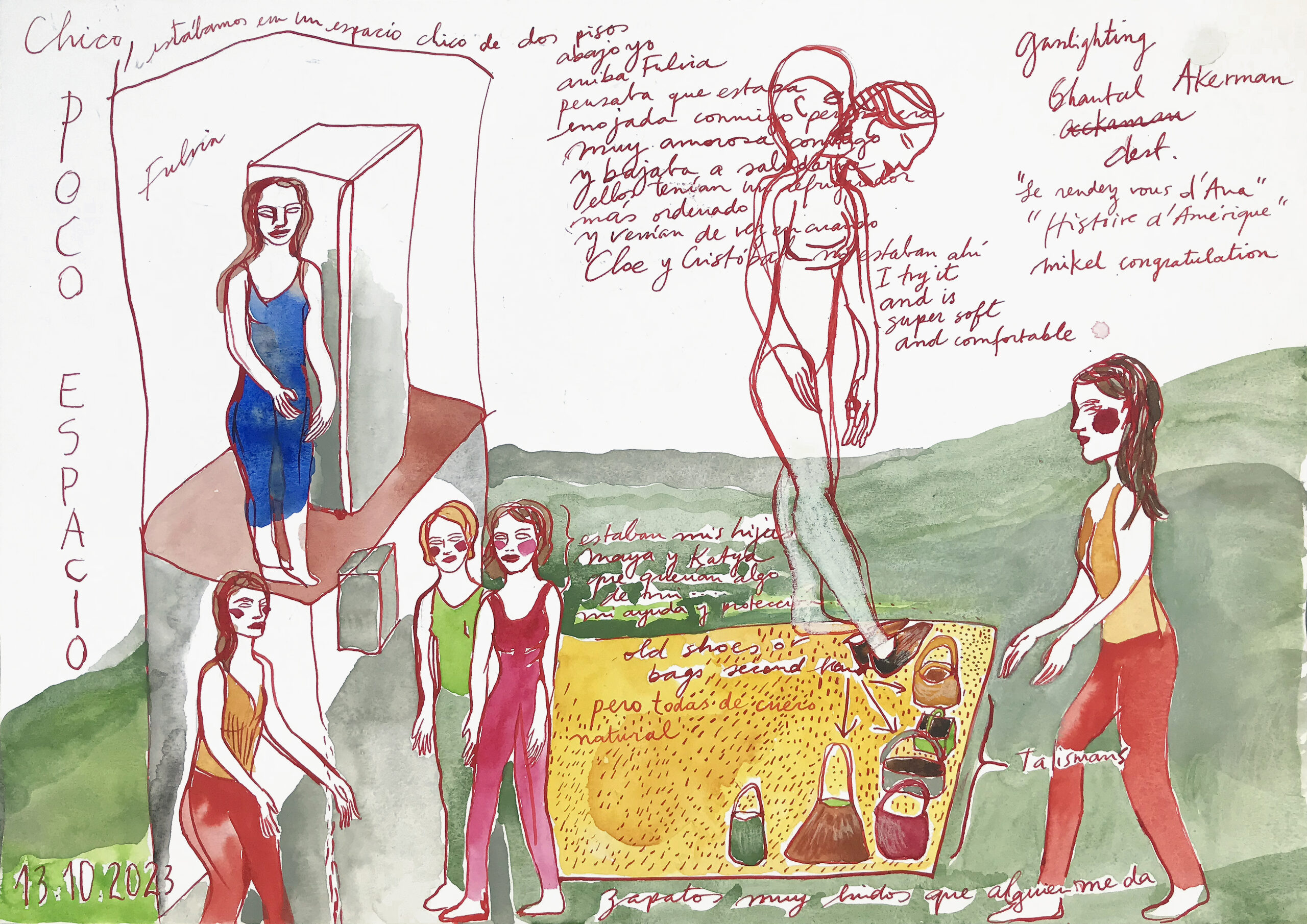
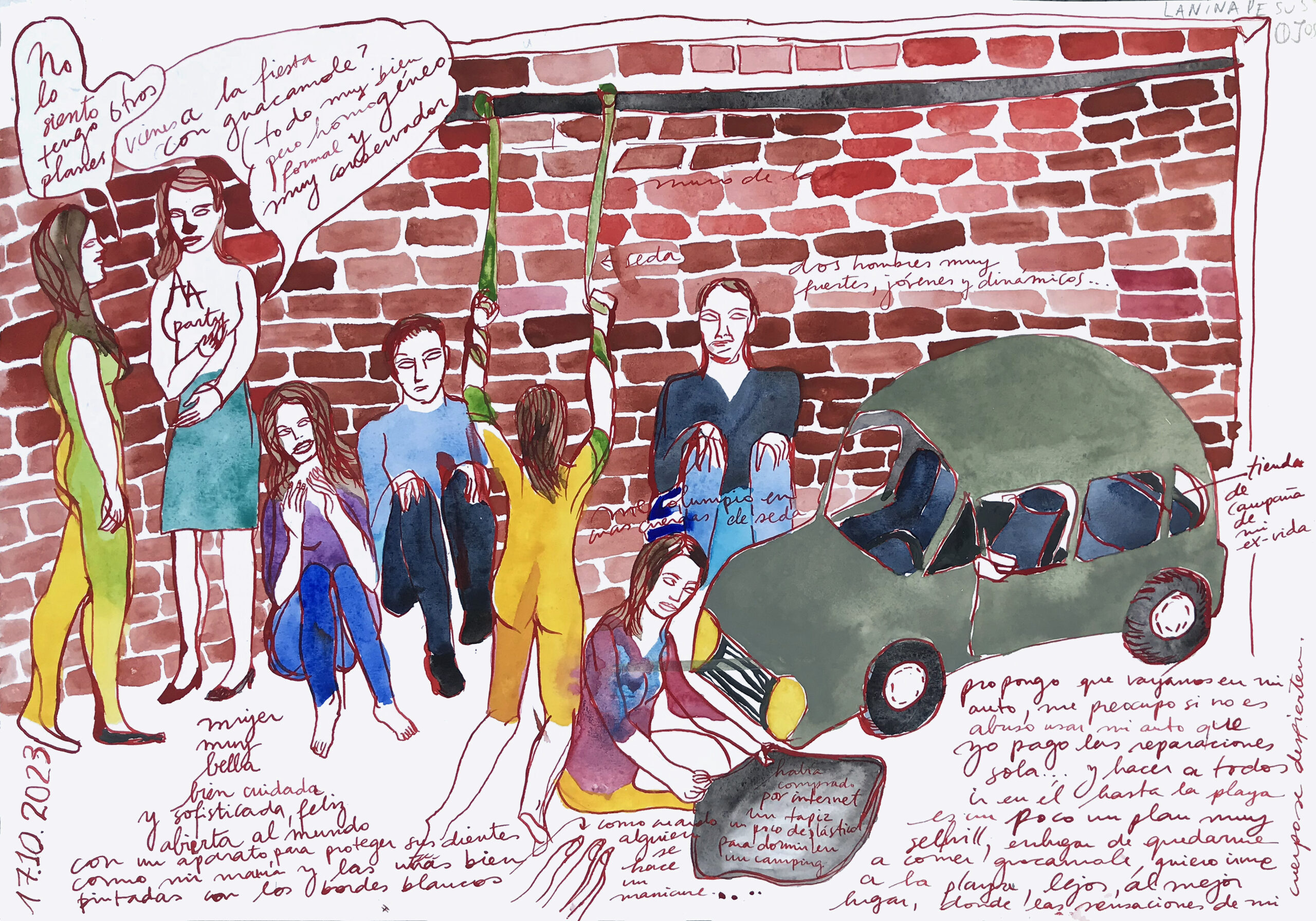
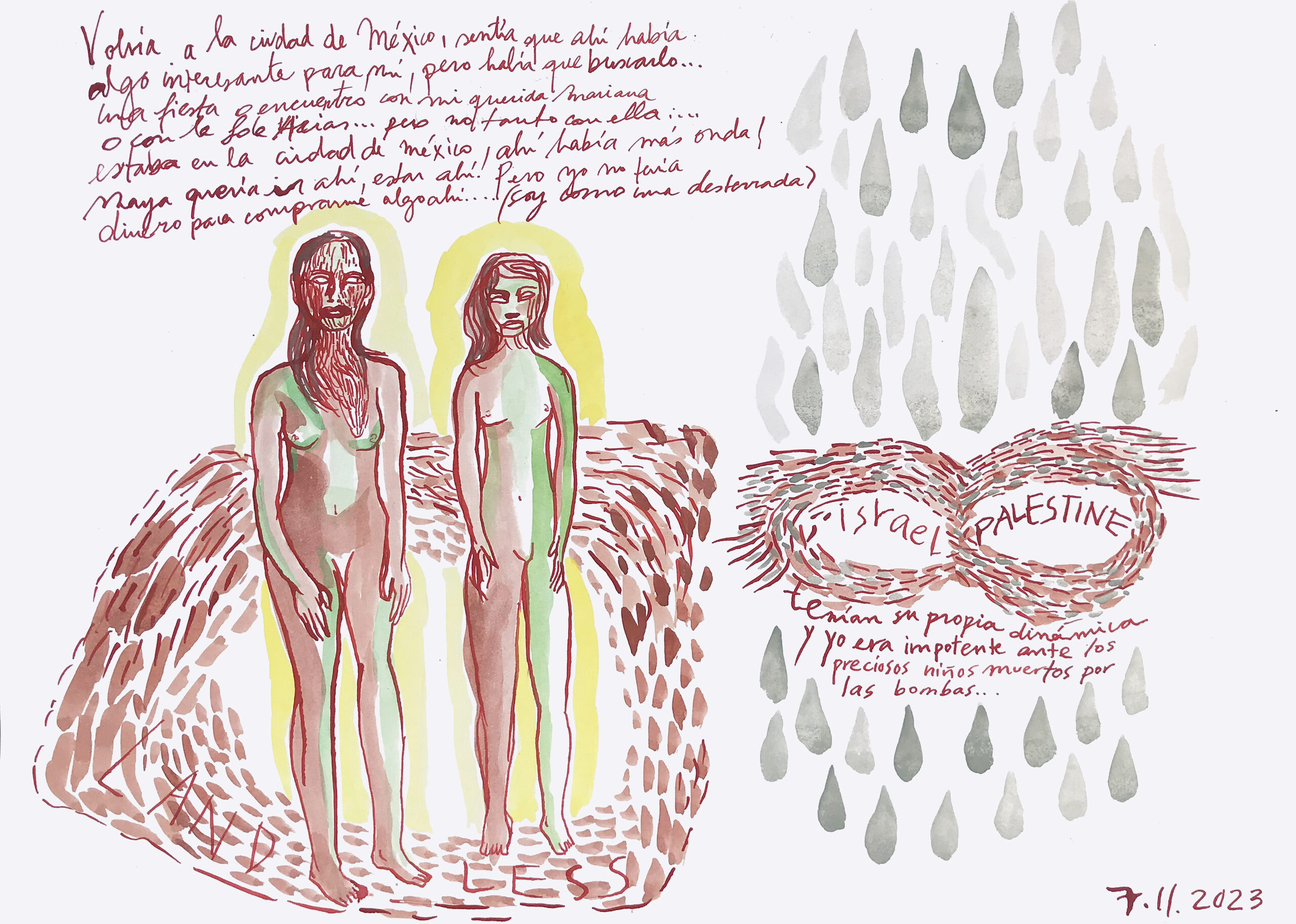
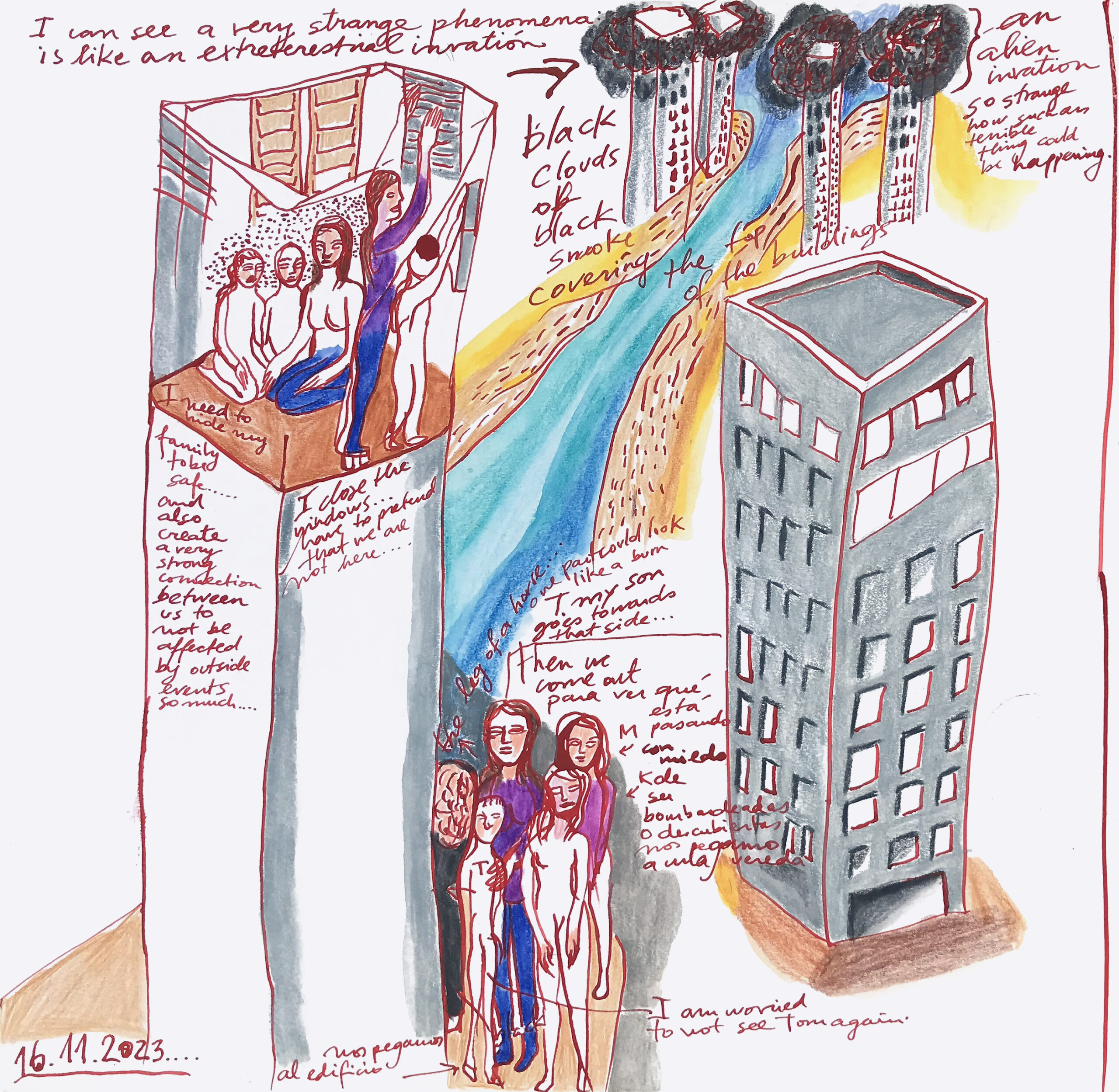
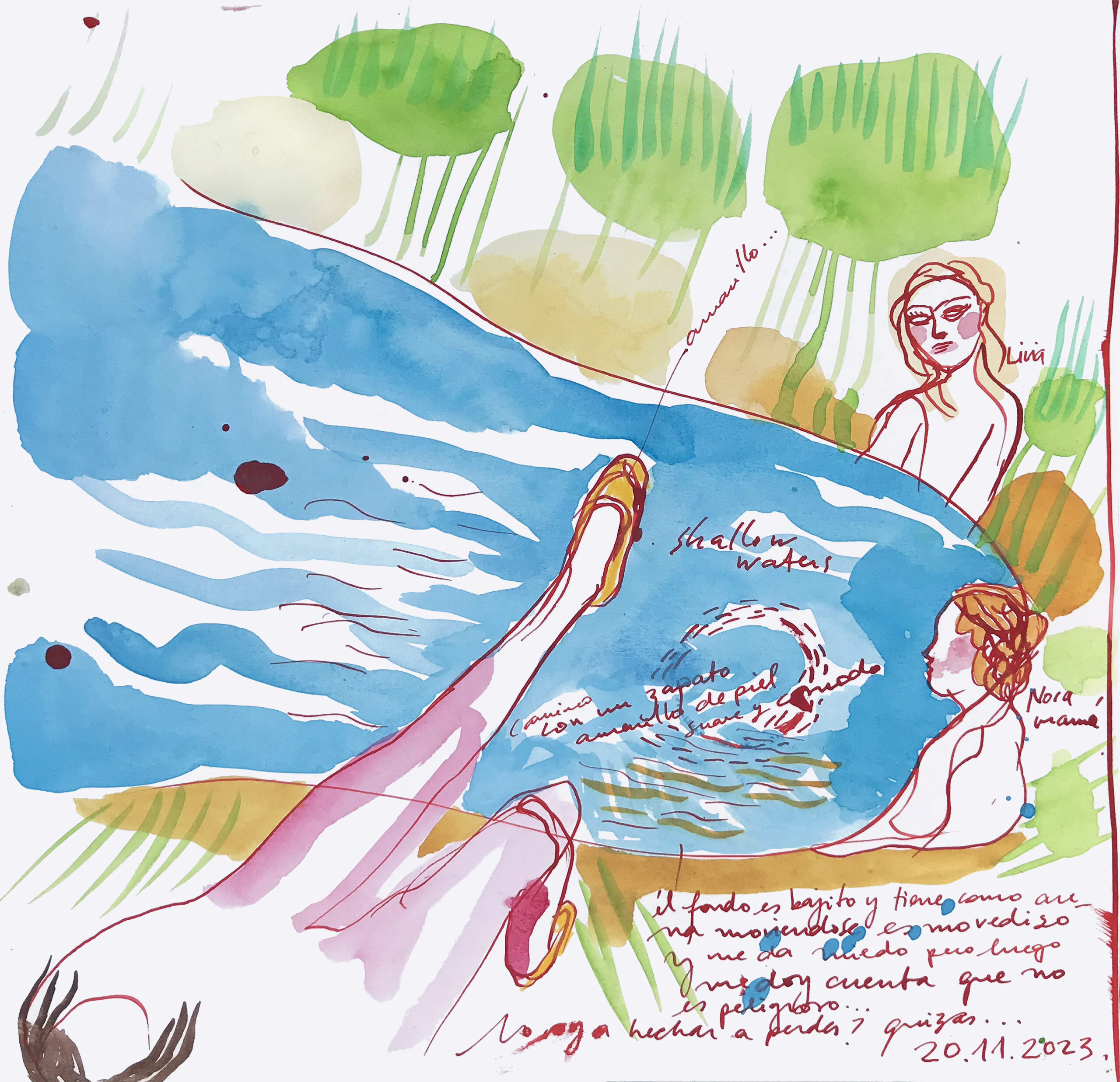
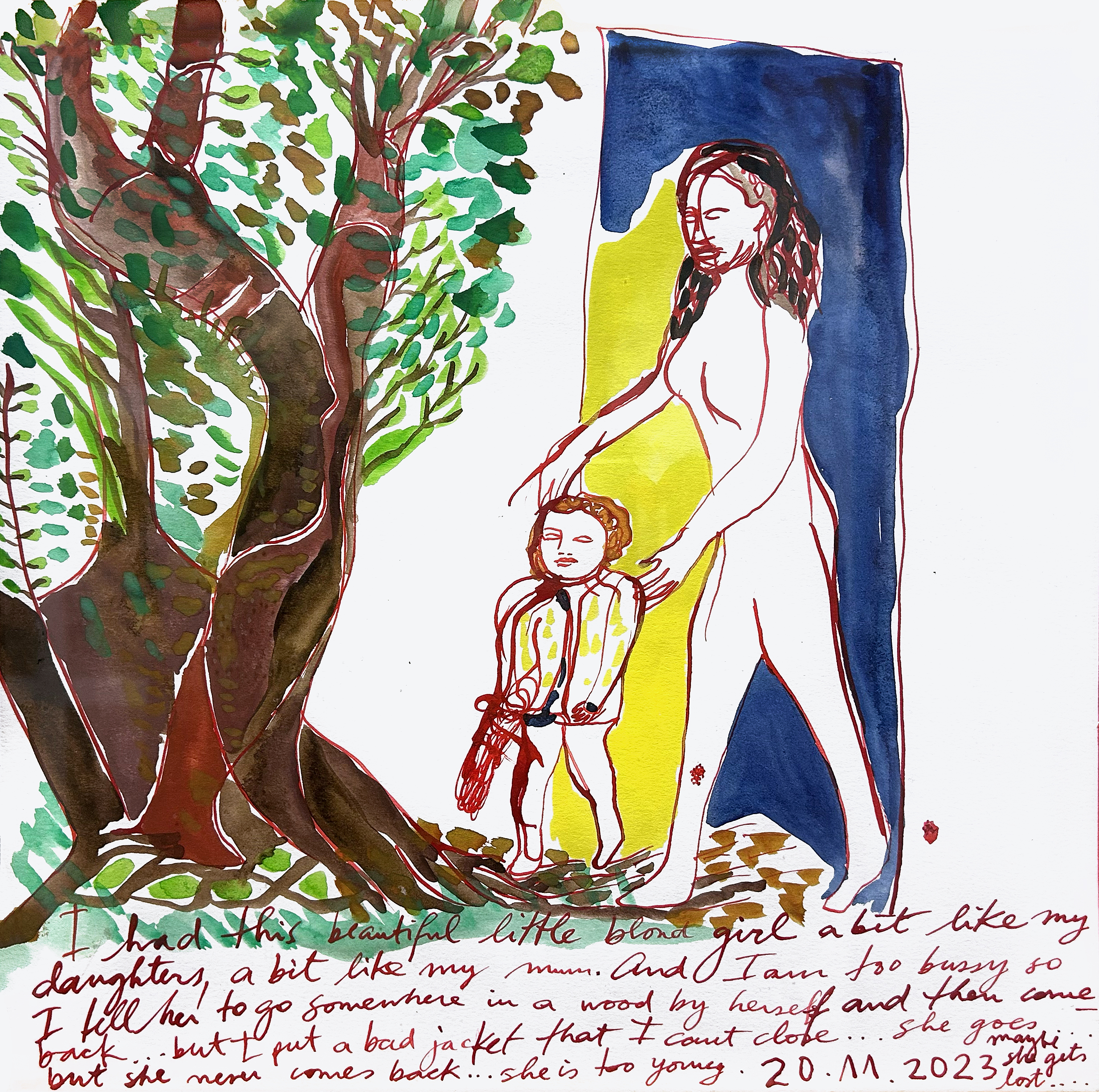
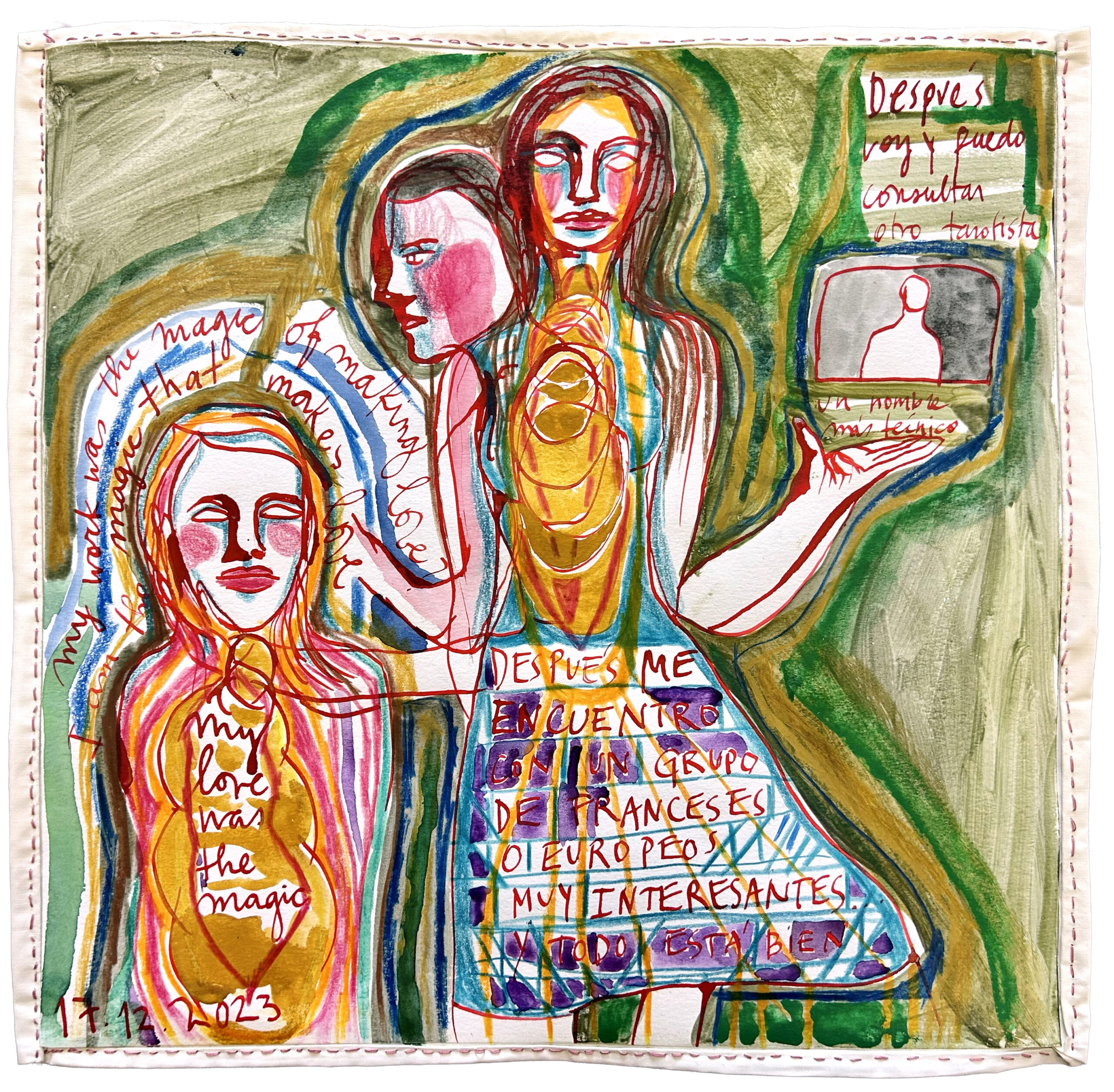
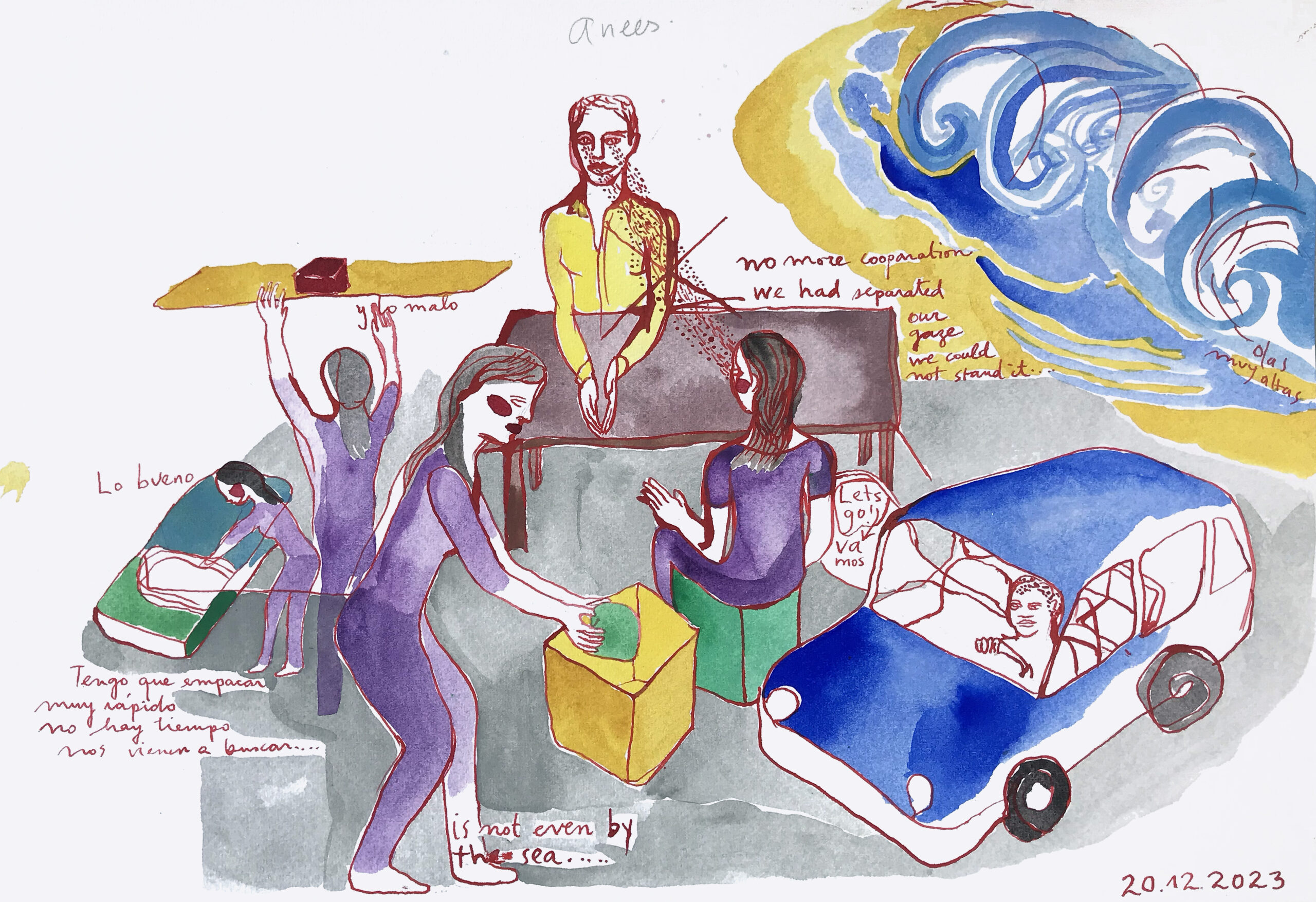
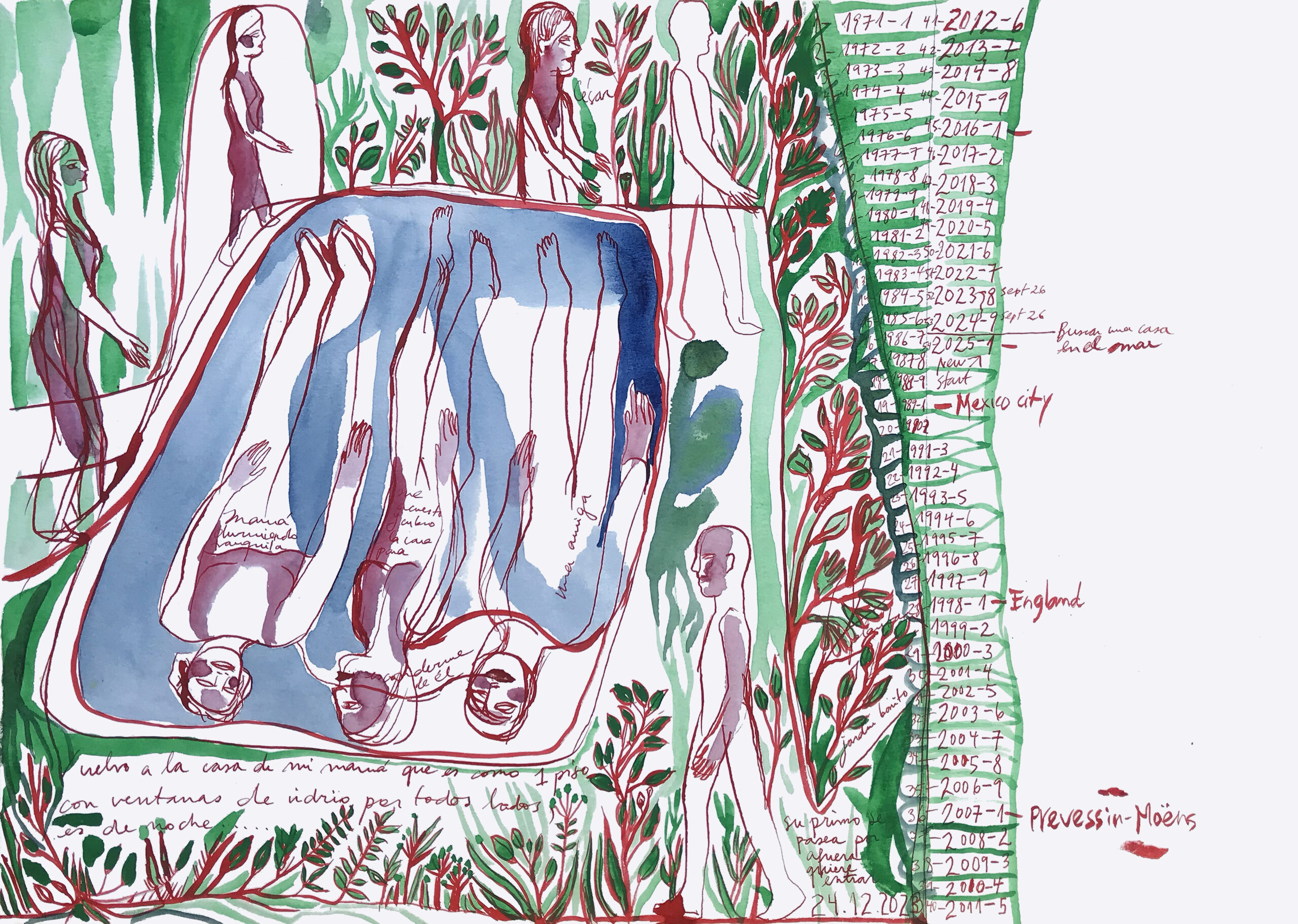
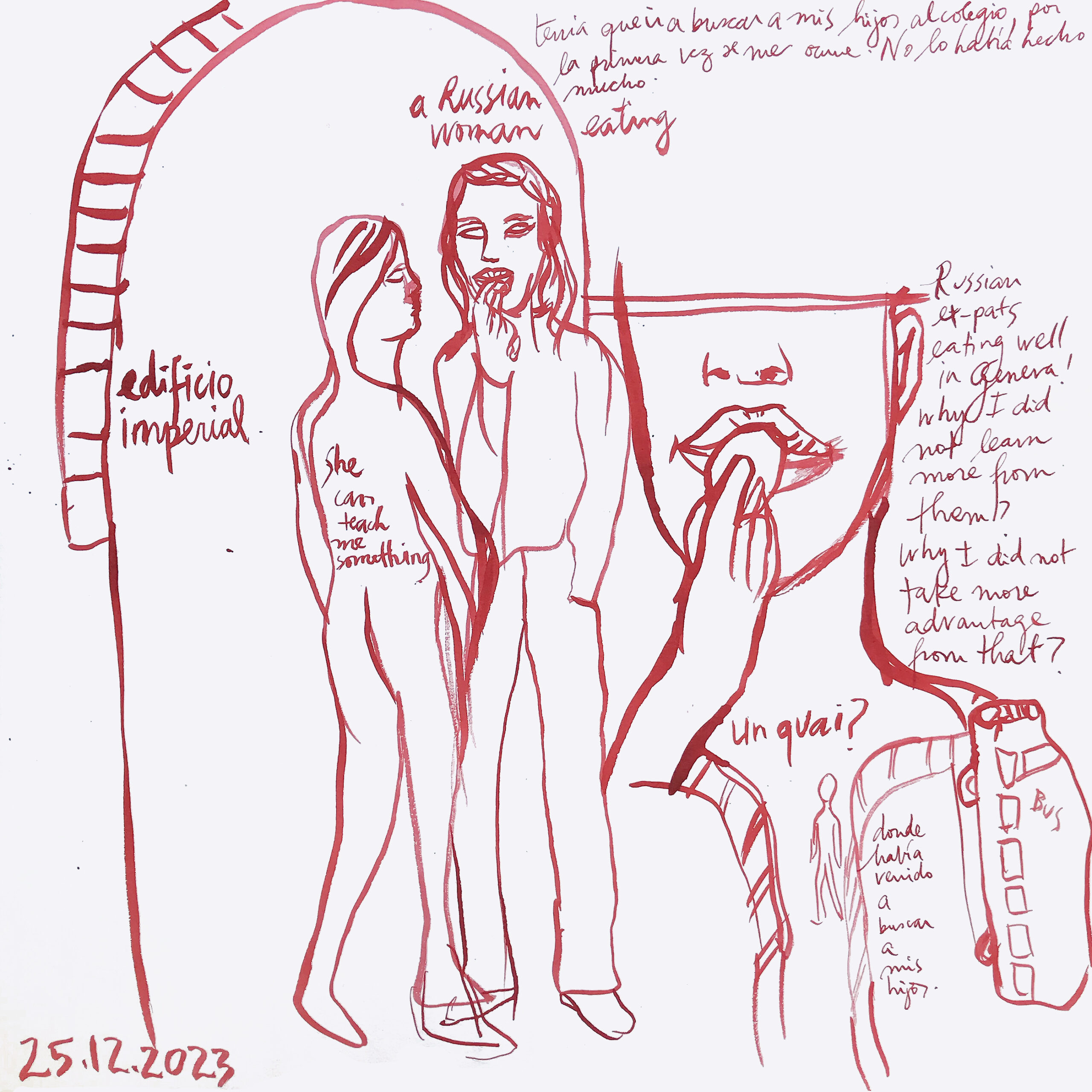
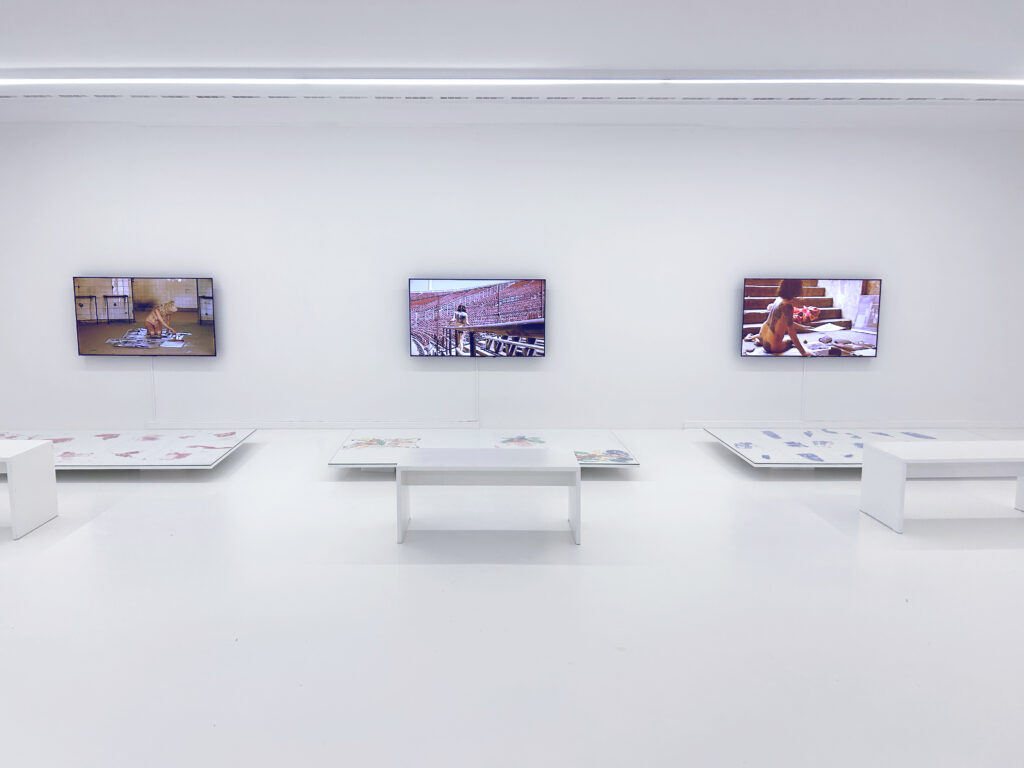
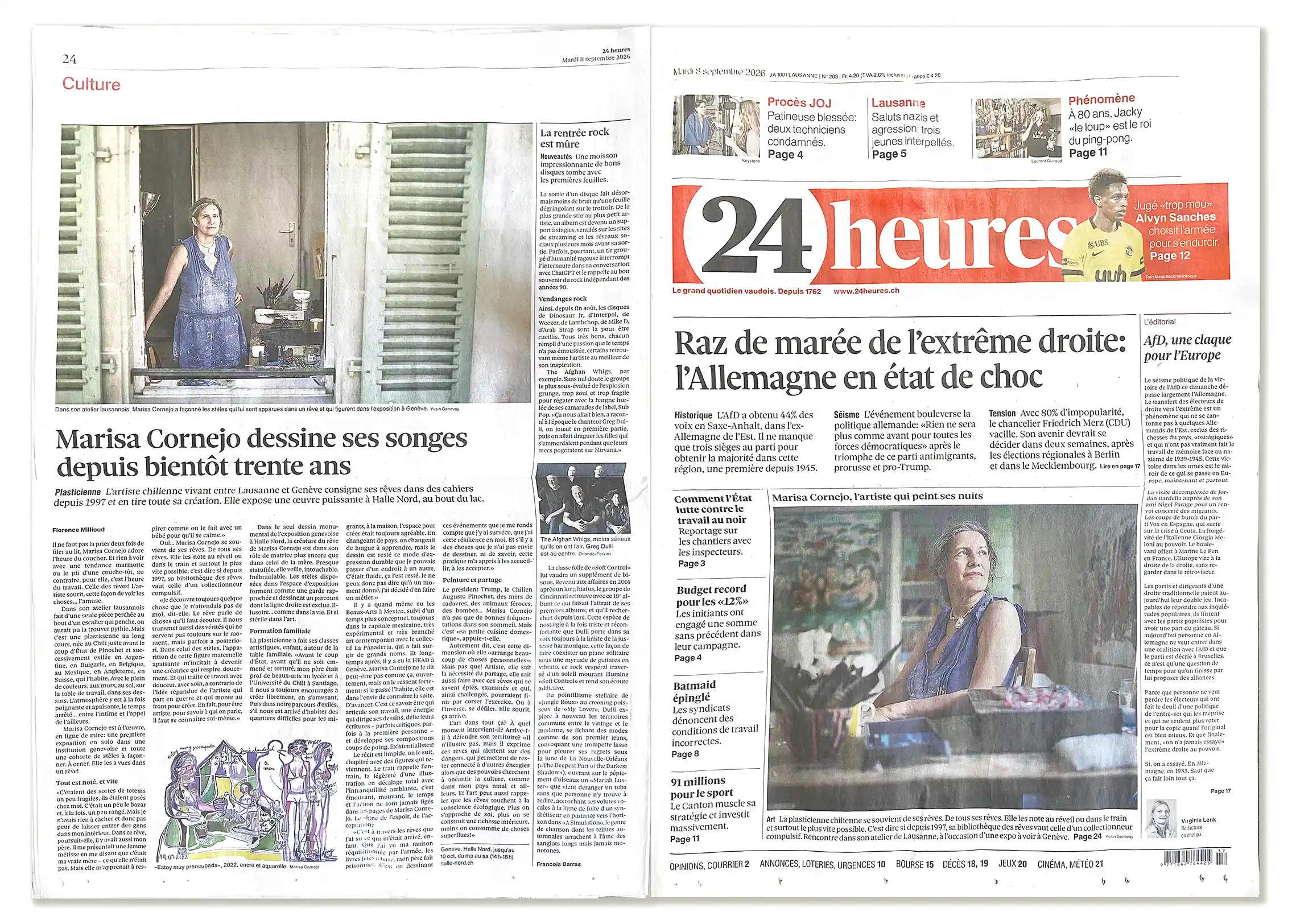
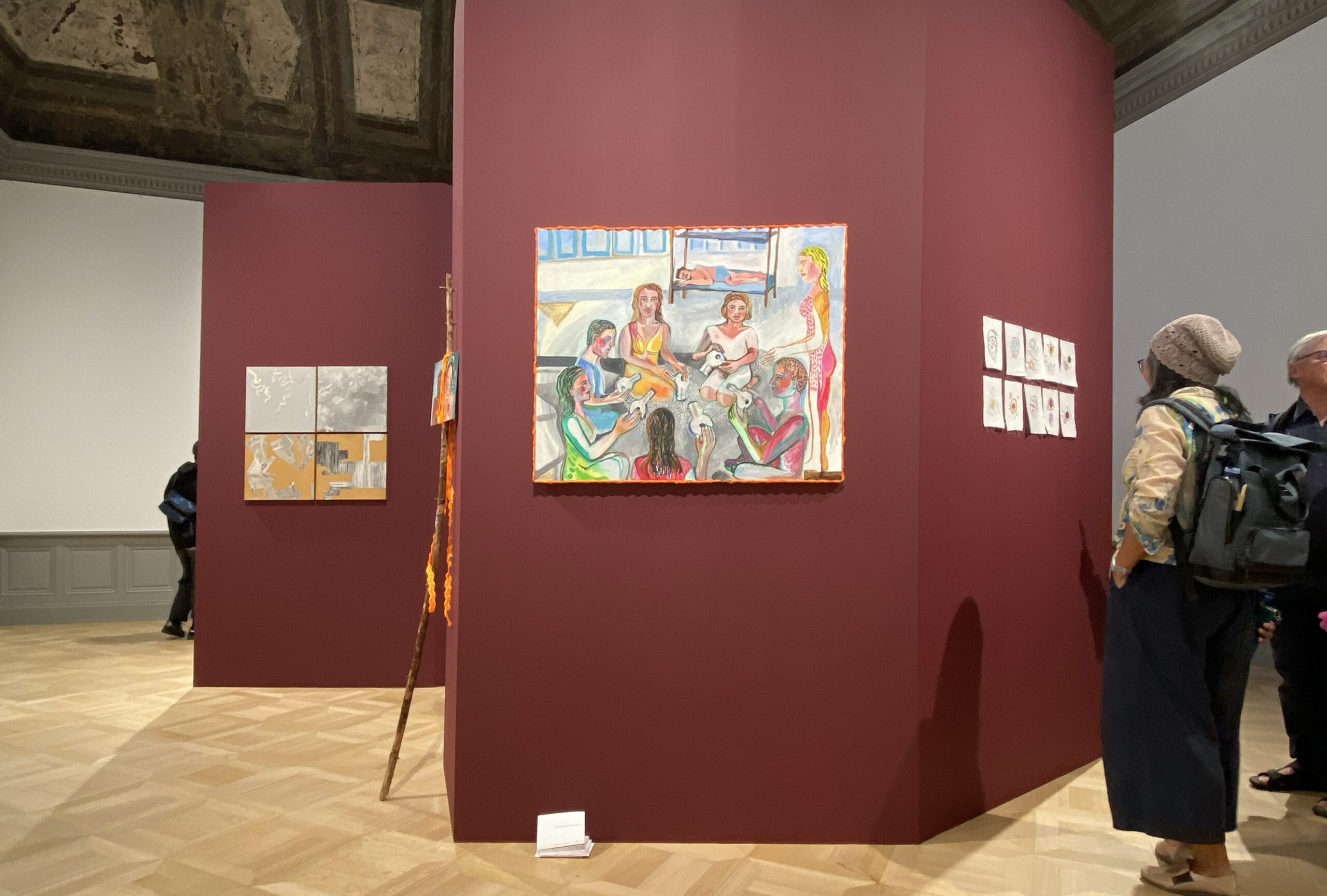
    À l’occasion de sa première exposition monographique institutionnelle à Genève, Marisa Cornejo (Santiago du Chili, 26 septembre 1971; vit et travaille entre Genève, Lausanne et Santiago) présente El Taller de la Fragilidad, (l’atelier de la fragilité), un ensemble d’œuvres qui abordent différentes expériences liées à l’exil, au déplacement et à la non-reconnaissance.
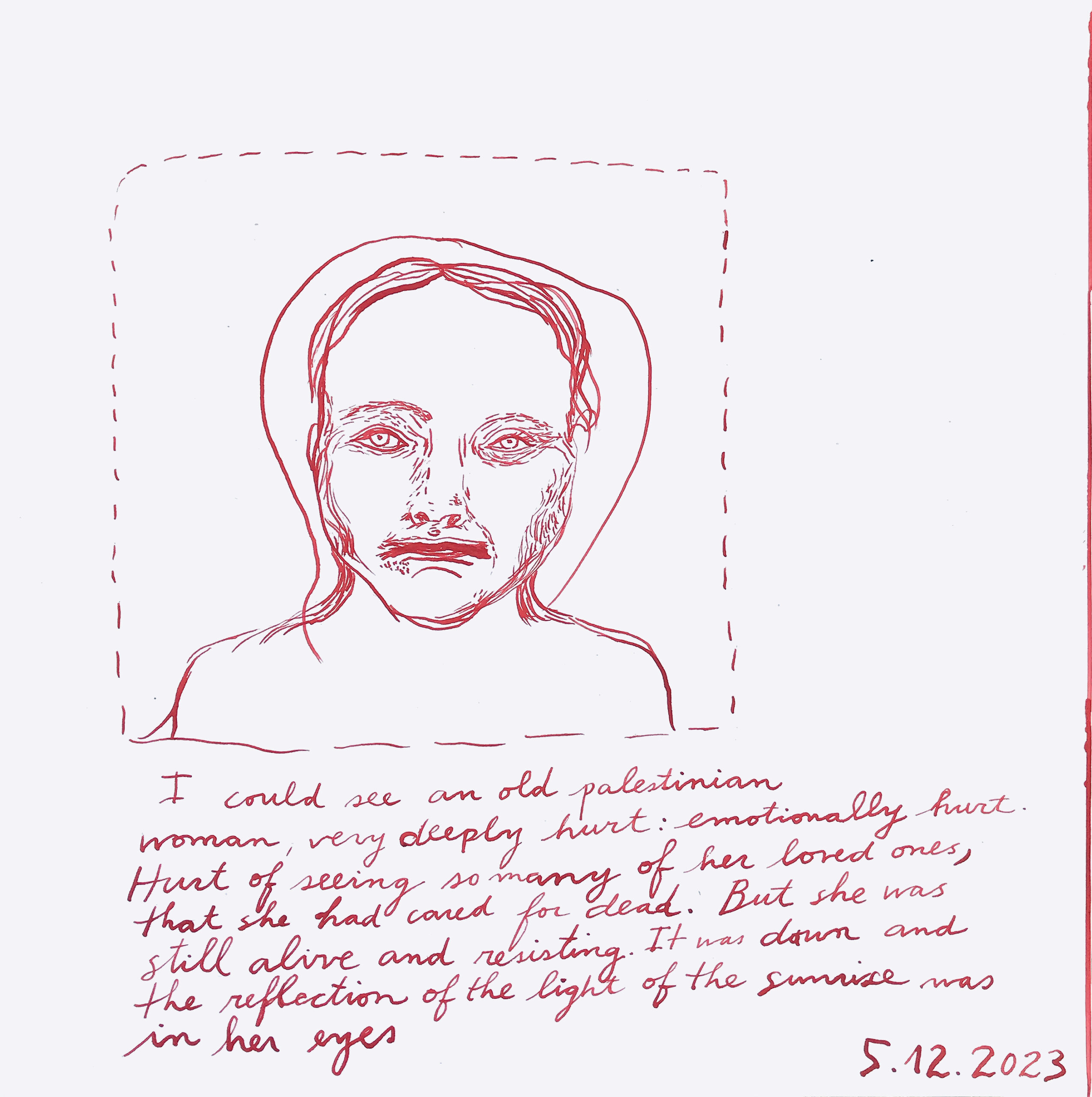
    Que signifie revenir dans un pays qui a continué d’exister sans vous? Cette question traverse l’œuvre de la plasticienne et autrice Marisa Cornejo depuis plusieurs décennies. Née au Chili pendant l’Unité populaire (Unidad Popular, du 4 septembre 1970 au 11 septembre 1973), contrainte à l’exil avec sa famille sous la dictature militaire, l’artiste ne cherche pas à retrouver un territoire perdu. Son travail interroge plutôt les formes d’une appartenance devenue discontinue, où la mémoire se construit à partir de fragments (réels ou imaginés) dont l’accès a été longtemps empêché. (Texte de Elise Lammer, commissaire de l’exposition)

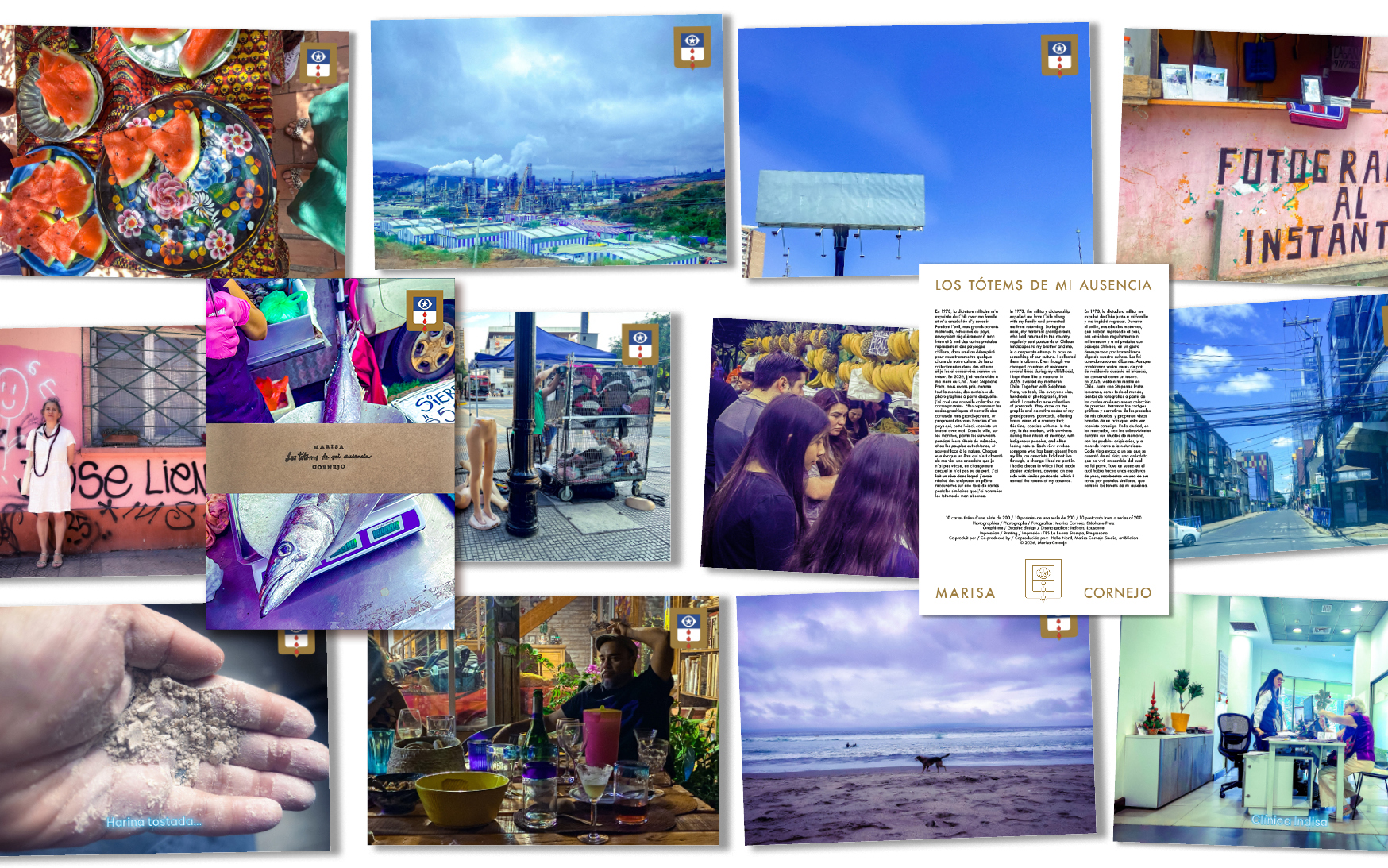
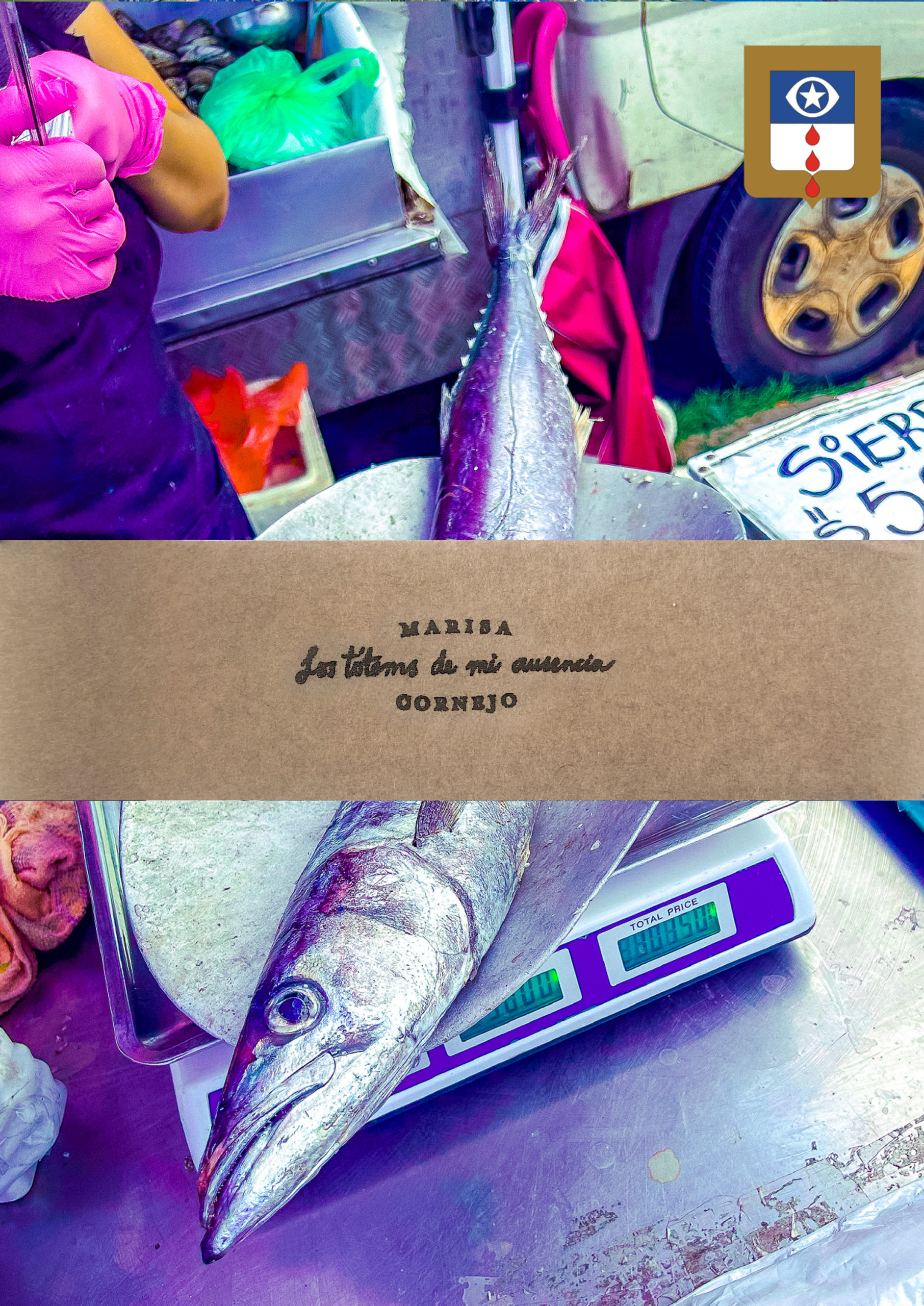
    Dans la continuation du livre de L’empreinte, publié en 2023, Marisa Cornejo propose à l’occasion de cette exposition Los tótems de mi ausencia, un essai visuel sous la forme d’un carnet de cartes postales co-produites avec Halle Nord et art&fiction.

    L’exposition El Taller de la Fragilidad donnera lieu à 5 activations

    Jeudi 03 septembre 2026, 18:00
    Vernissage de l’exposition et lancement du carnet de cartes postales Los tótems de mi ausencia.
    Halle Nord • Place de I’Ile 1 • 1204 Genève

    Mercredi 09 septembre, 19:00
    Soirée lecture et discussion autour du livre L’empreinte/La huella hors les murs*: à Librairie Albatros (soirée en espagnol modérée par Pedro Jiménez Morras)
    Librería Albatros • Charles-Humbert 6 • 1205 Genève

    Vendredi 11 septembre, 18:00
    Soirée lecture et discussion autour du livre L’empreinte/La huella à Halle Nord* (soirée en français modérée par Pedro Jiménez Morras)
    Halle Nord • Place de I’Ile 1 • 1204 Genève

    Jeudi 24 septembre, 17:00
    Visite guidée en présence de l’artiste
    Halle Nord • Place de I’Ile 1 • 1204 Genève

    Jeudi 1er octobre, 17:00
    Visite guidée en présence de l’artiste
    Halle Nord • Place de I’Ile 1 • 1204 Genève

    * Une proposition Halle Nord, Lom ediciones, art&fiction, Librería Albatros
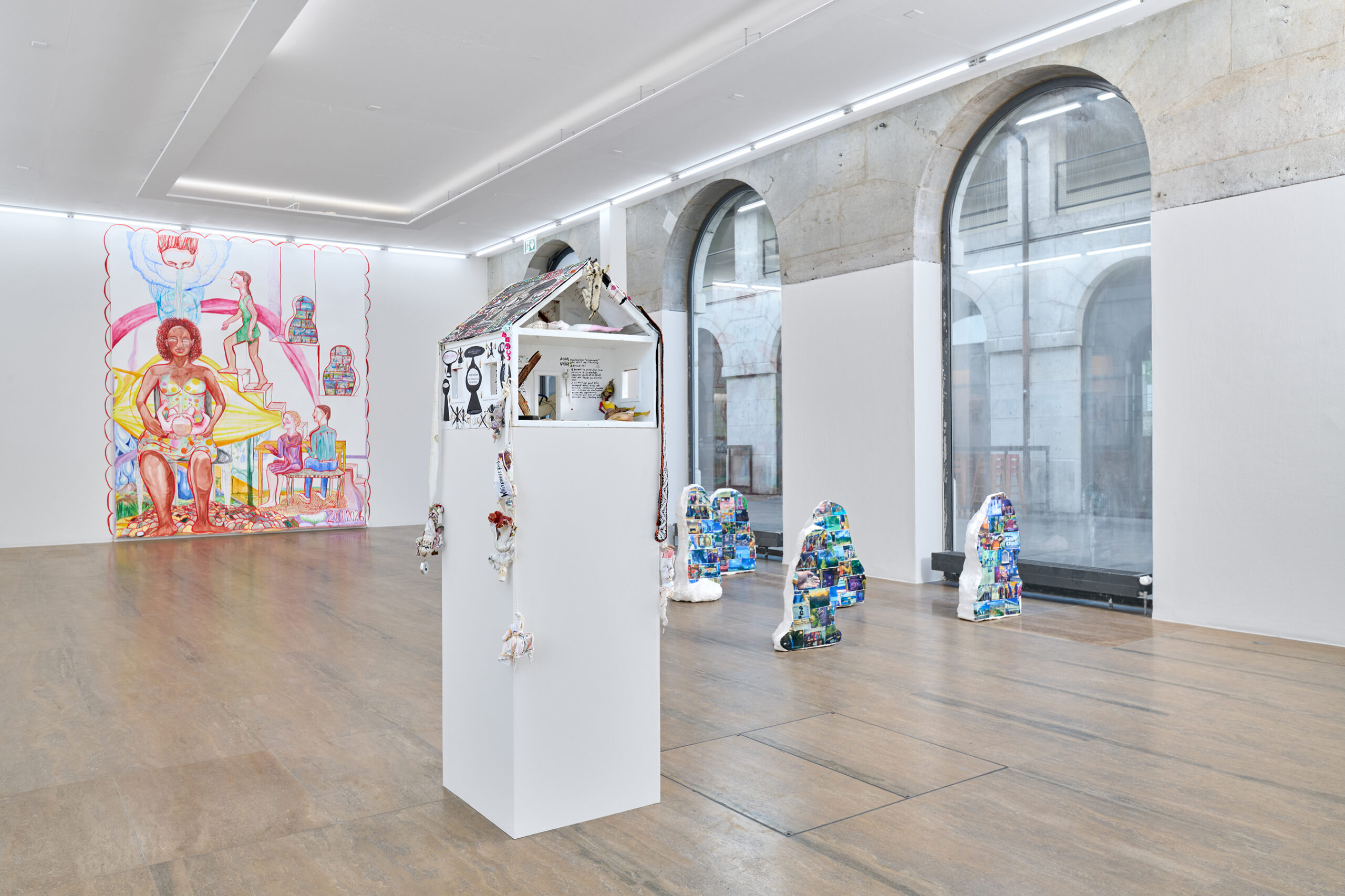
    Photos: Thomas Maisonnasse
  • Los tótems de mi ausencia, 2026
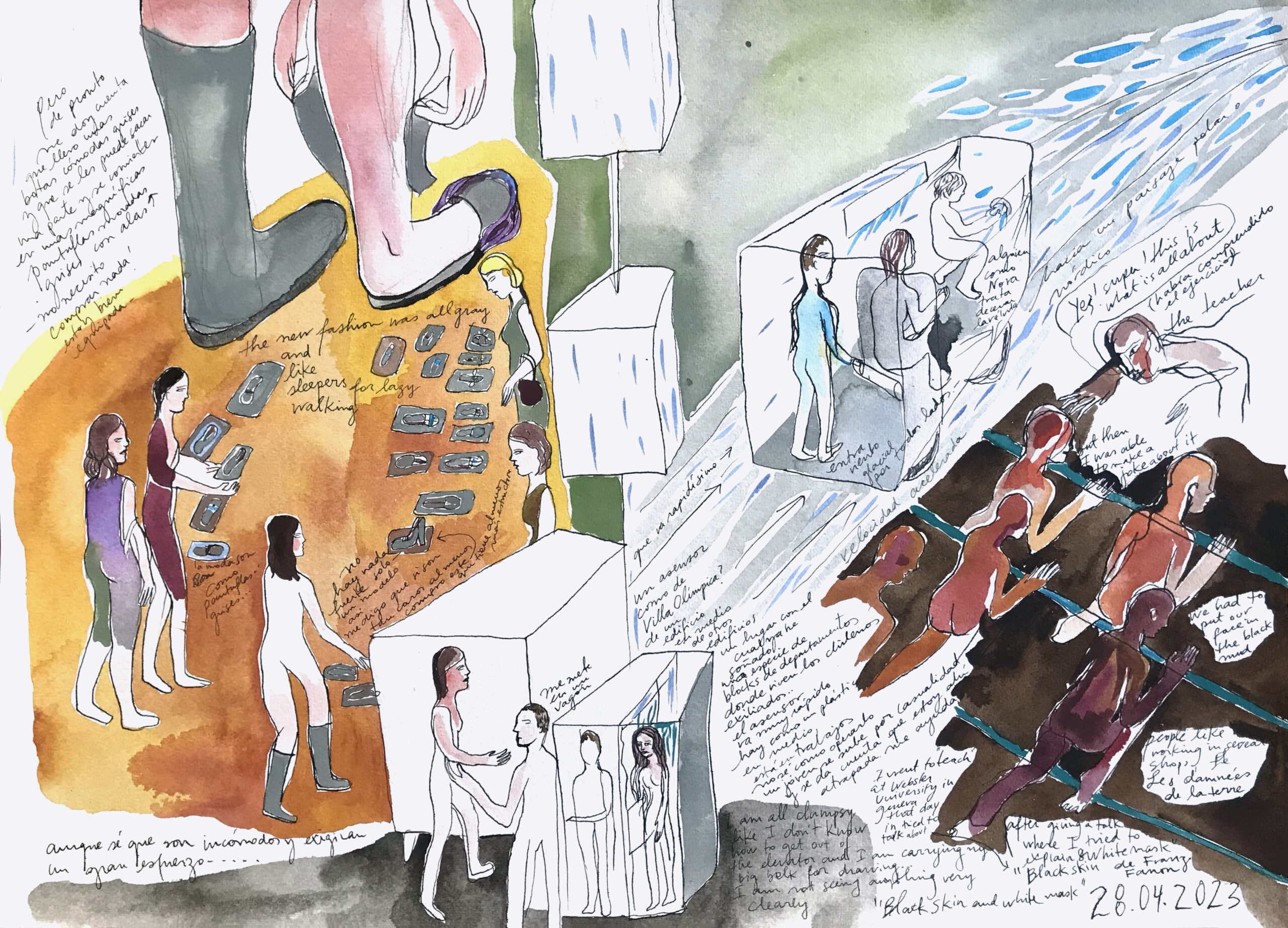
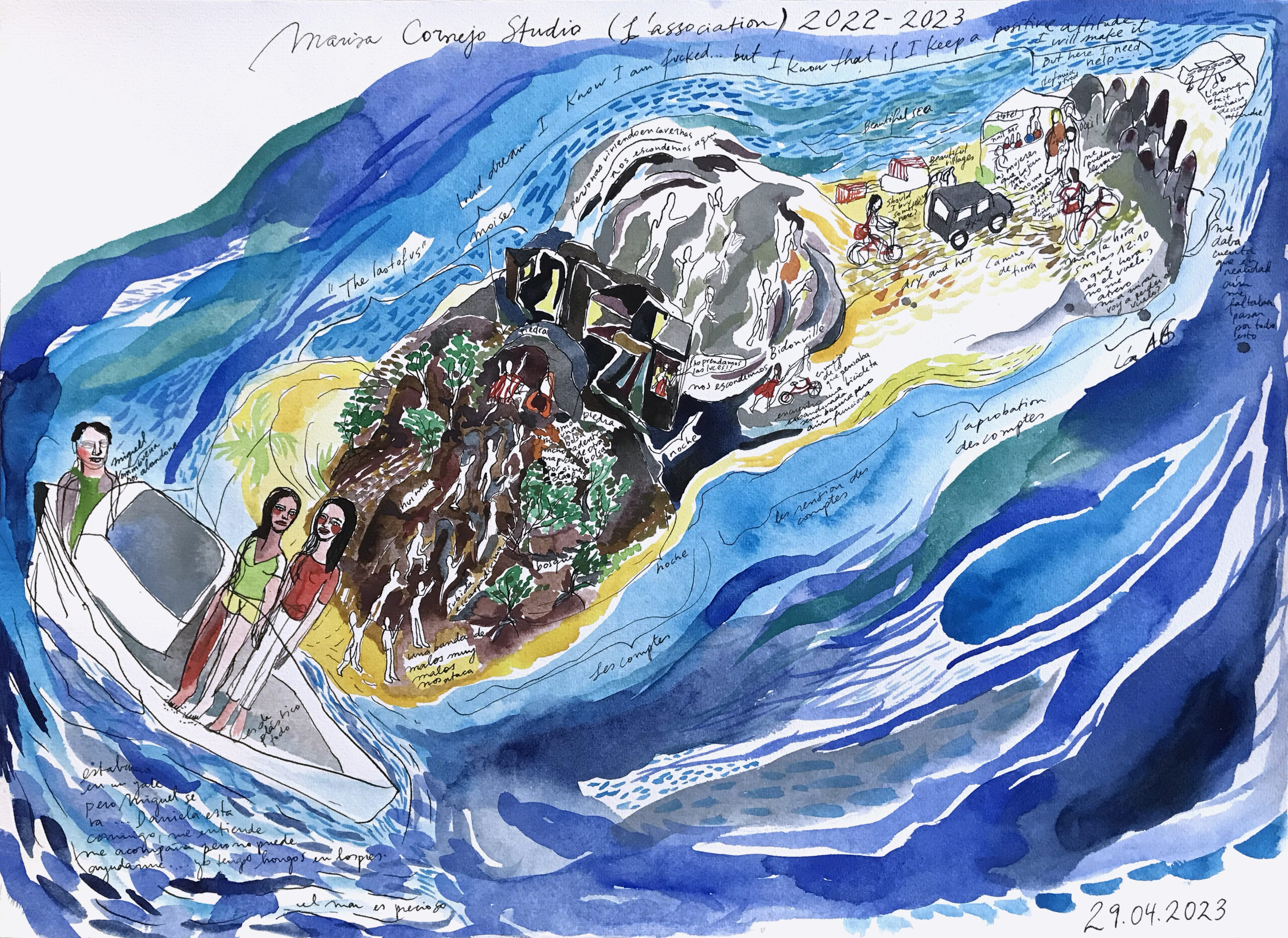
    Title: Los tótems de mi ausencia, postcards
    Photographs by: Marisa Cornejo and Stéphane Fretz
    Graphic Design: Indoors
    Description: Digital print and rubber stamp on paper
    Printed by: TBS La Buona Stampa, Pregassona
    Size: 105x148mm, 200 pages (200 different cards)
    Coproduced by: Halle Nord, Marisa Cornejo Studio et art&fiction.
    Edition: first edition of 6 copies (1200 cards)
    Distribution: as pack of 10 cards by art&fiction
    Date: 2026


    In 1973, Marisa Cornejo was expelled from Chile with her family, when she was only two years old. The dictatorship forbade her from returning. During the exile, her grandparents sent her postcards from the country she didn’t know, which she kept preciously as a childhood treasure. In 2026, she returns to Chile with Stéphane Fretz and photographs cities, markets, survivors and their rituals of memory, indigenous peoples, landscapes. From these images is born a new collection of postcards, taking up the codes of her grandparents’ ones: banal views of a country that, this time, coexists for an instant with her. Each one a totem of her absence.

    En 1973, Marisa Cornejo est expulsée du Chili avec sa famille, alors qu’elle n’a que deux ans. La dictature lui interdit d’y revenir. Pendant l’exil, ses grands-parents lui envoient des cartes postales du pays qu’elle ne connaît pas, qu’elle conserve précieusement comme un trésor d’enfance. En 2026, elle retourne au Chili avec Stéphane Fretz et photographie villes, marchés, survivants et leurs rituels de mémoire, peuples autochtones, paysages. De ces images naît une nouvelle collection de cartes postales, reprenant les codes de celles de ses grands-parents: des vues banales d’un pays qui, cette fois, coexiste un instant avec elle. Chacune un totem de son absence.

  • Eating tayeb o’hari

    Villa Bernasconi, Grand-Lancy
    06.06.2026, 6pm   

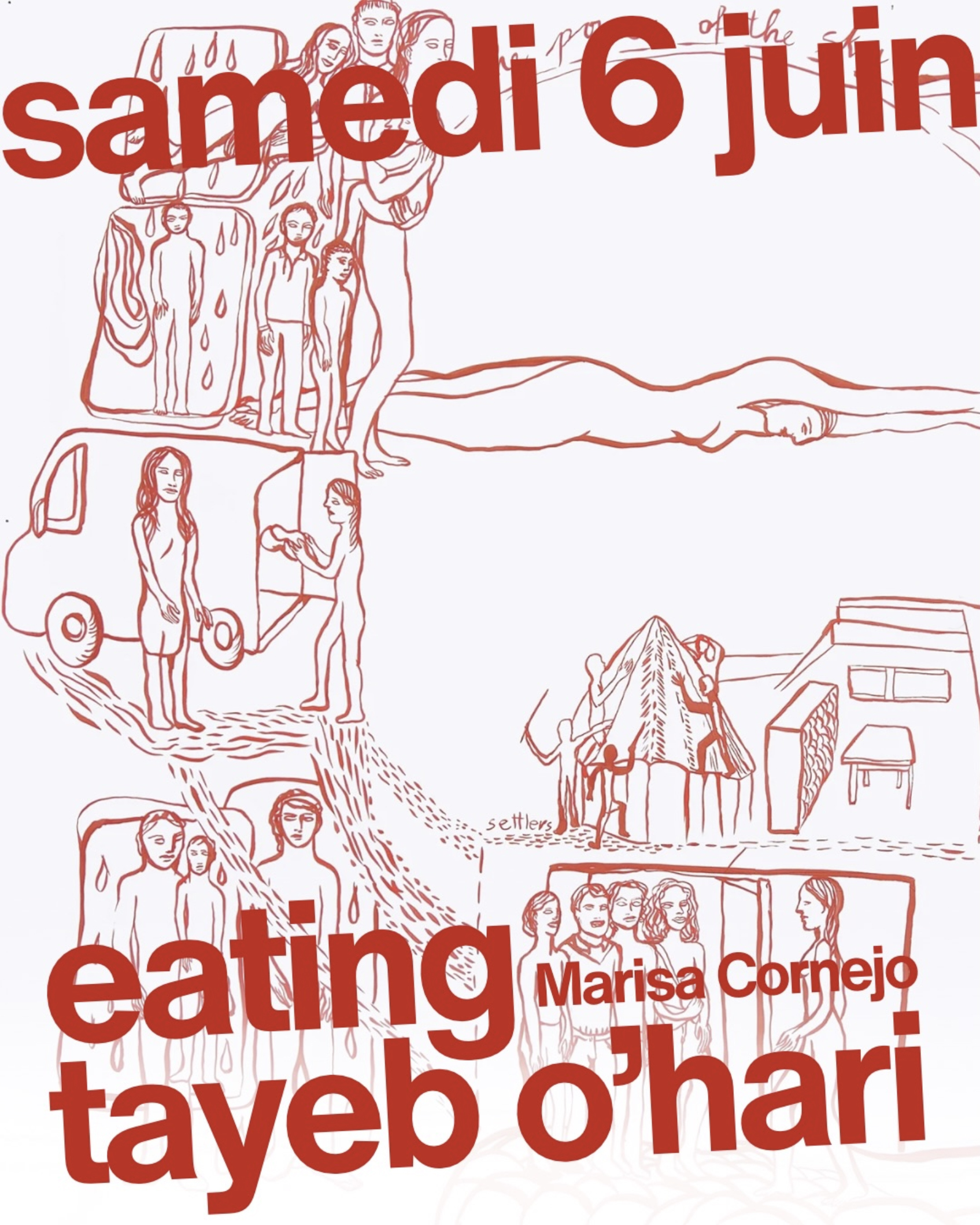
    Title: Eating tayeb o’hari
    By: Marisa Cornejo
    Support: Aissa Deebi
    Photos: Jonathan Ospina
    Exhibition: helvetropicos. Más acá de lo (ir)real
    Venue: Villa Bernasconi, Route du Grand-Lancy 8, 1212 Grand-Lancy
    Duration: 45 min
    Date: Samedi 6 juin, 18h

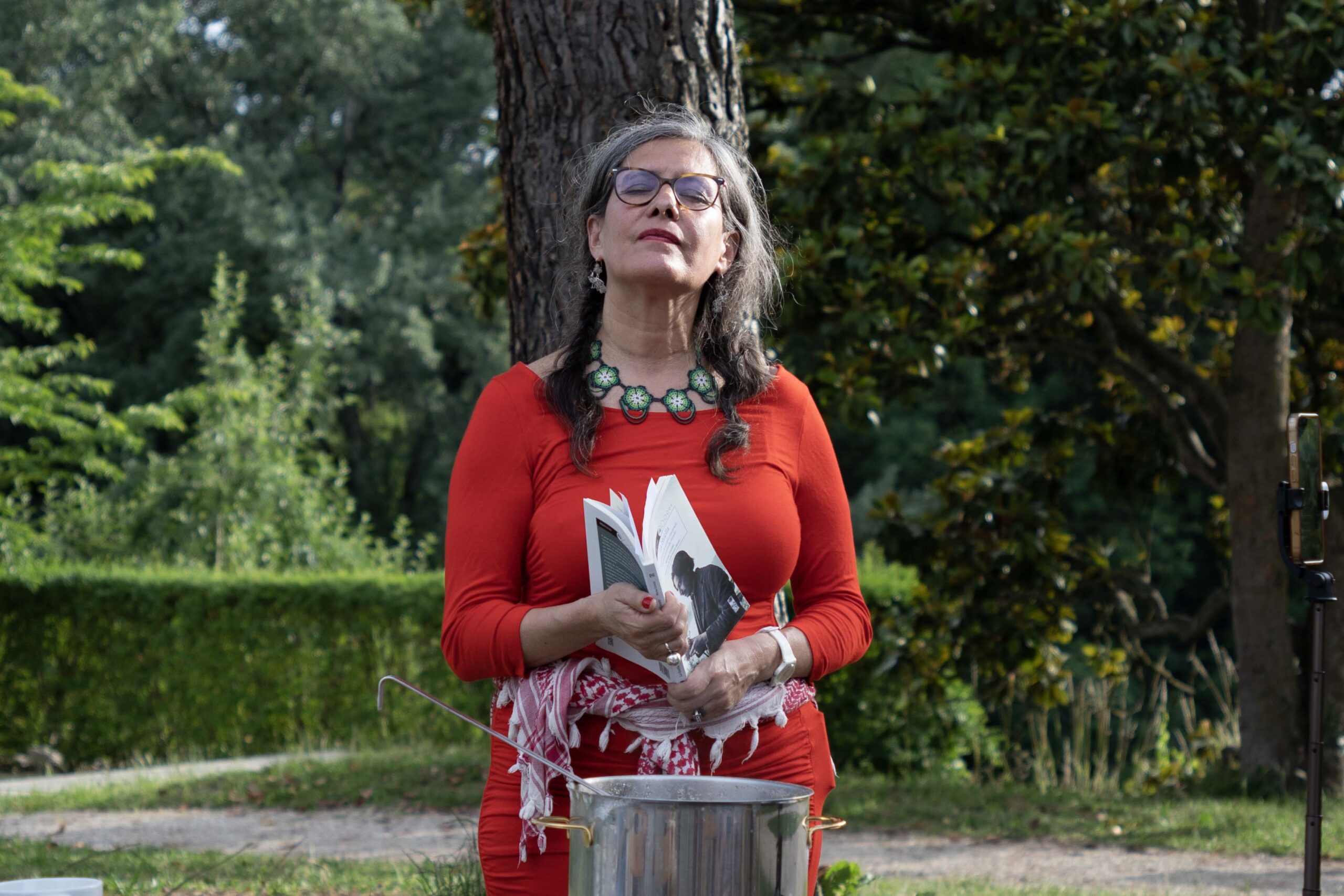
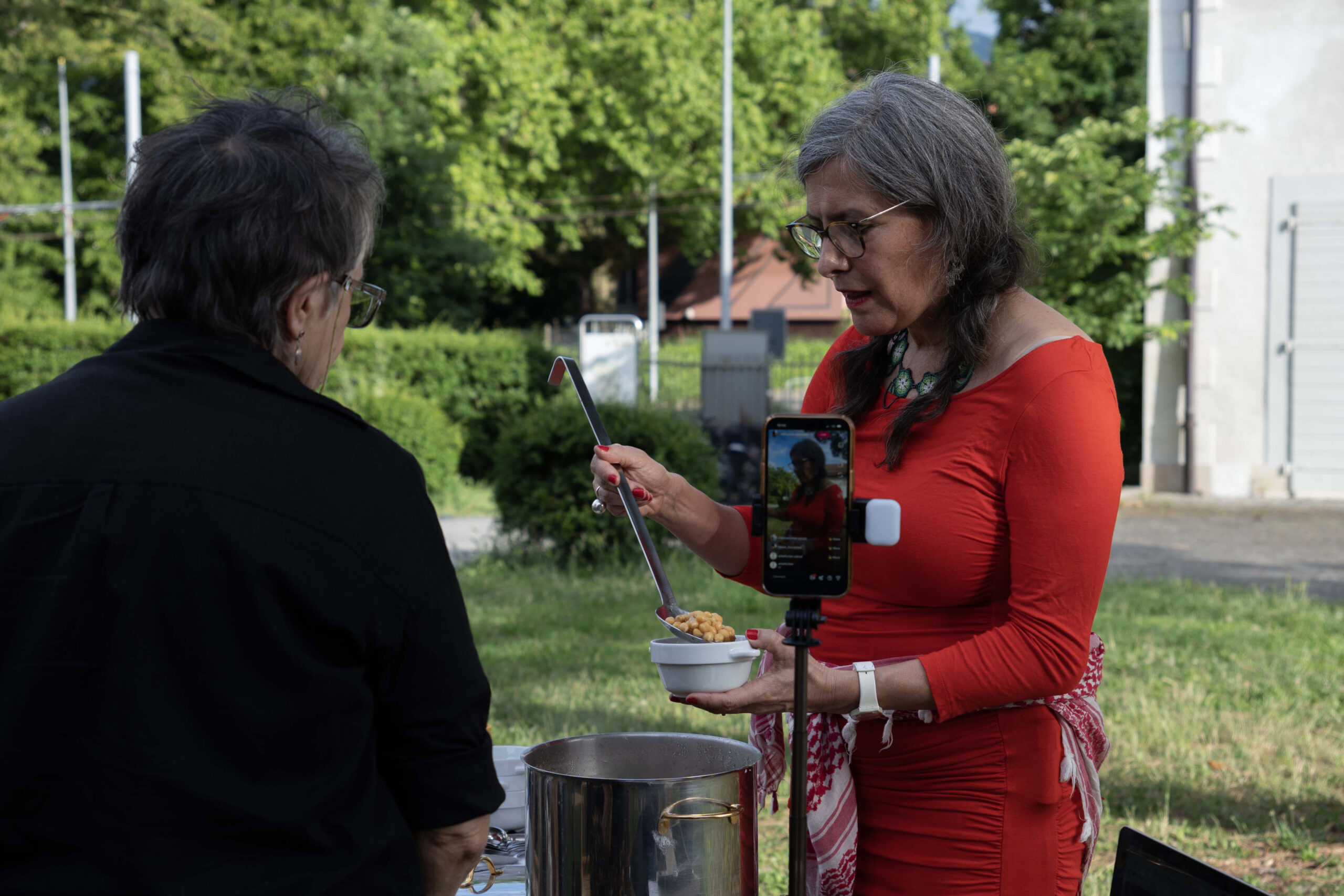
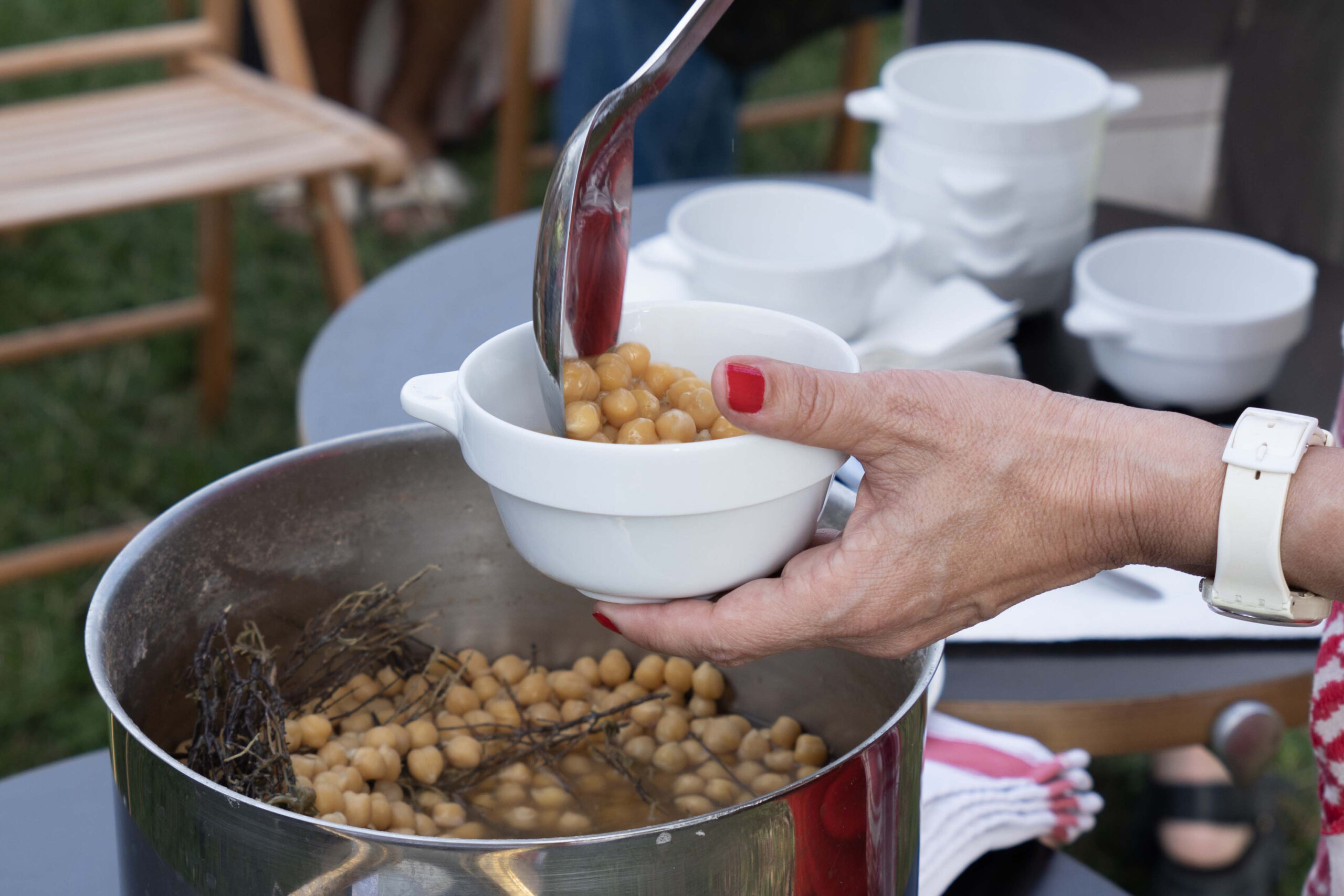
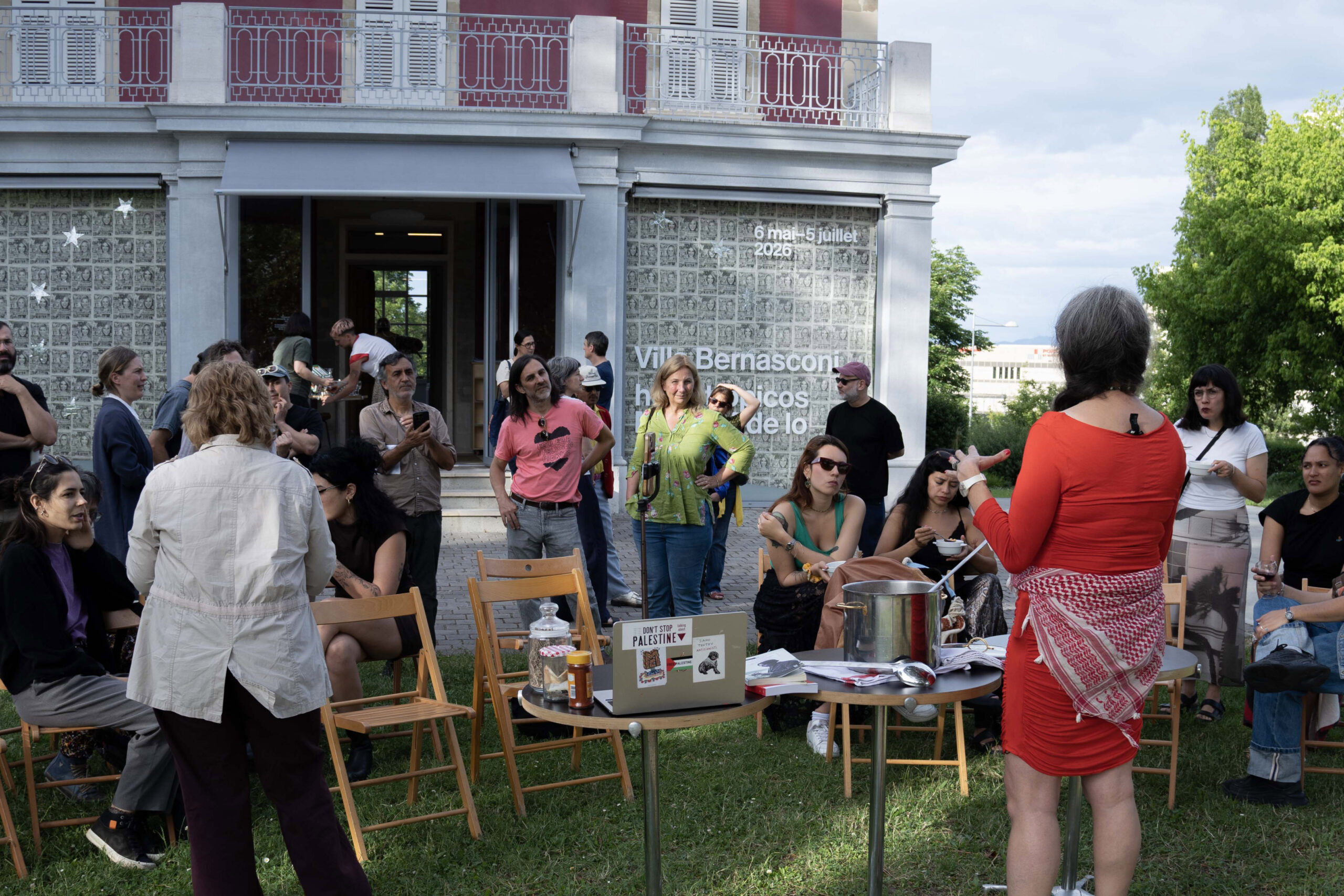
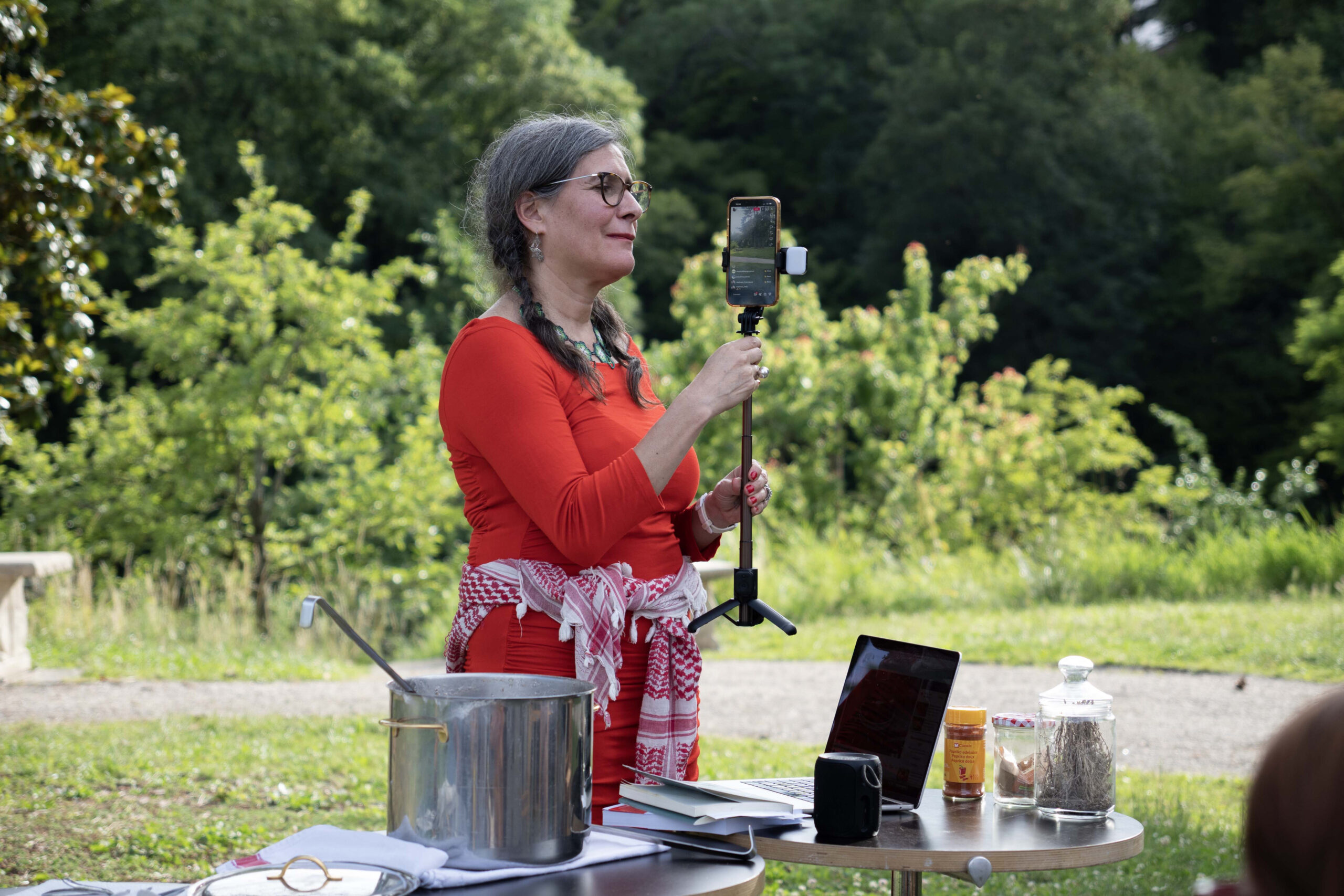
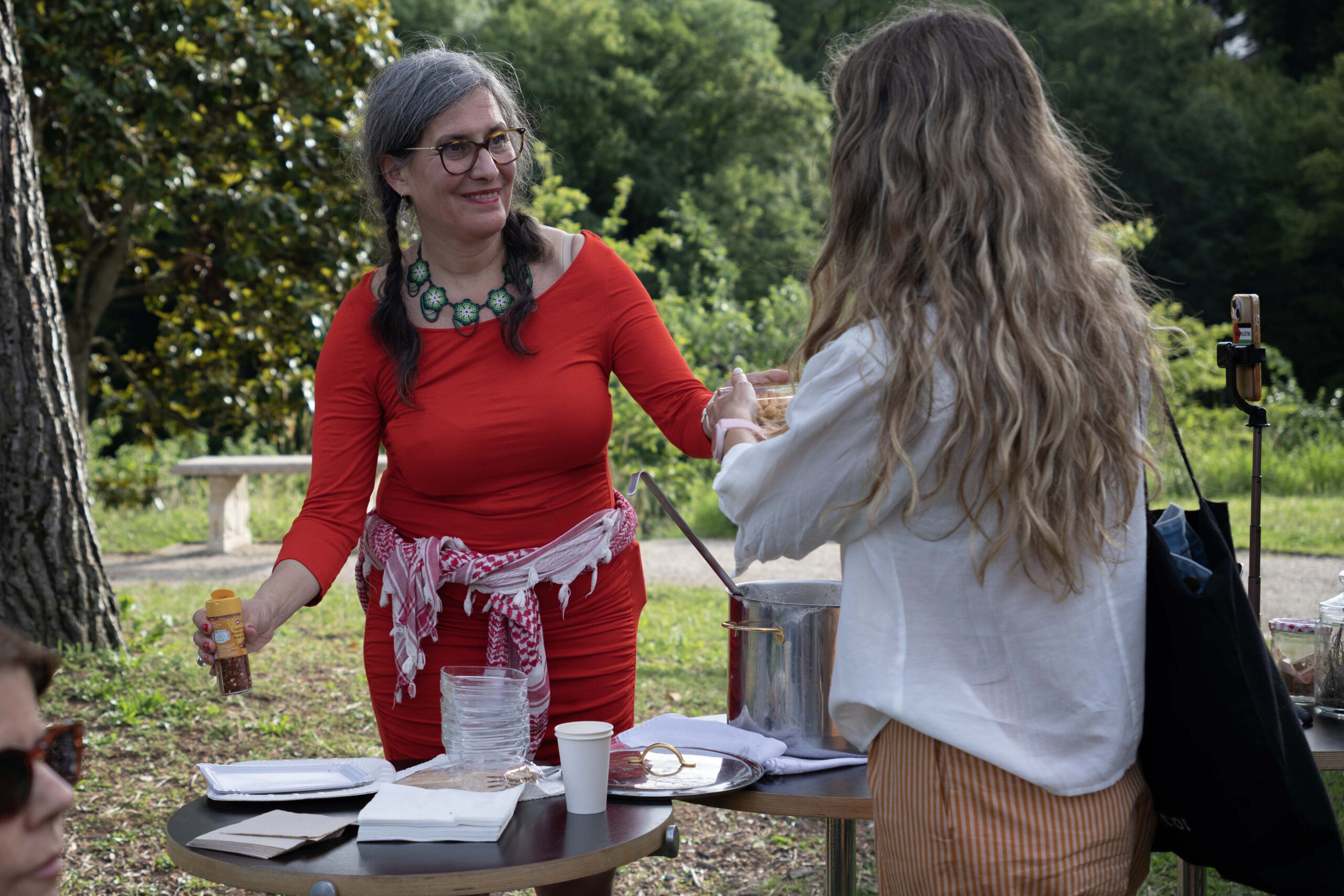
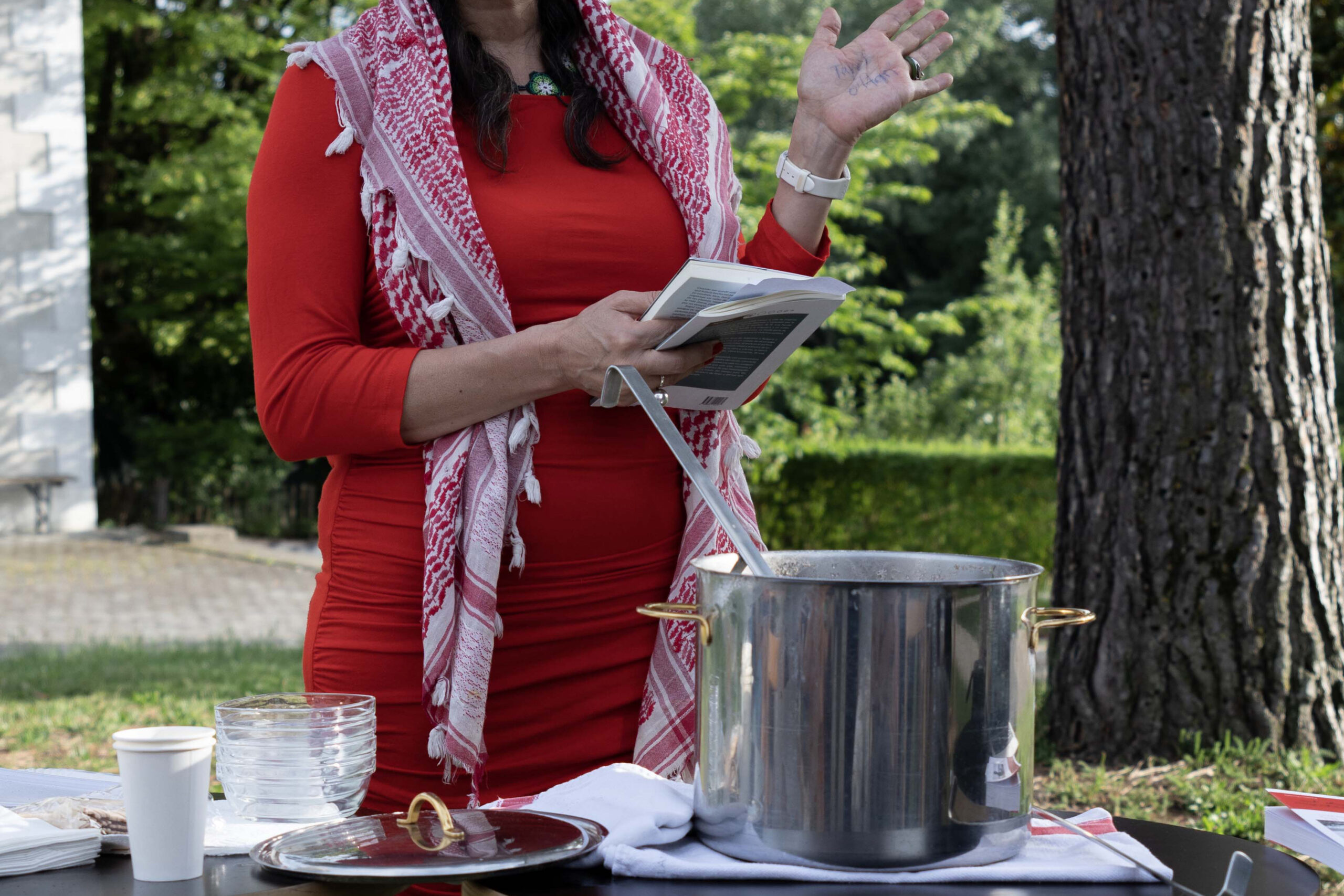
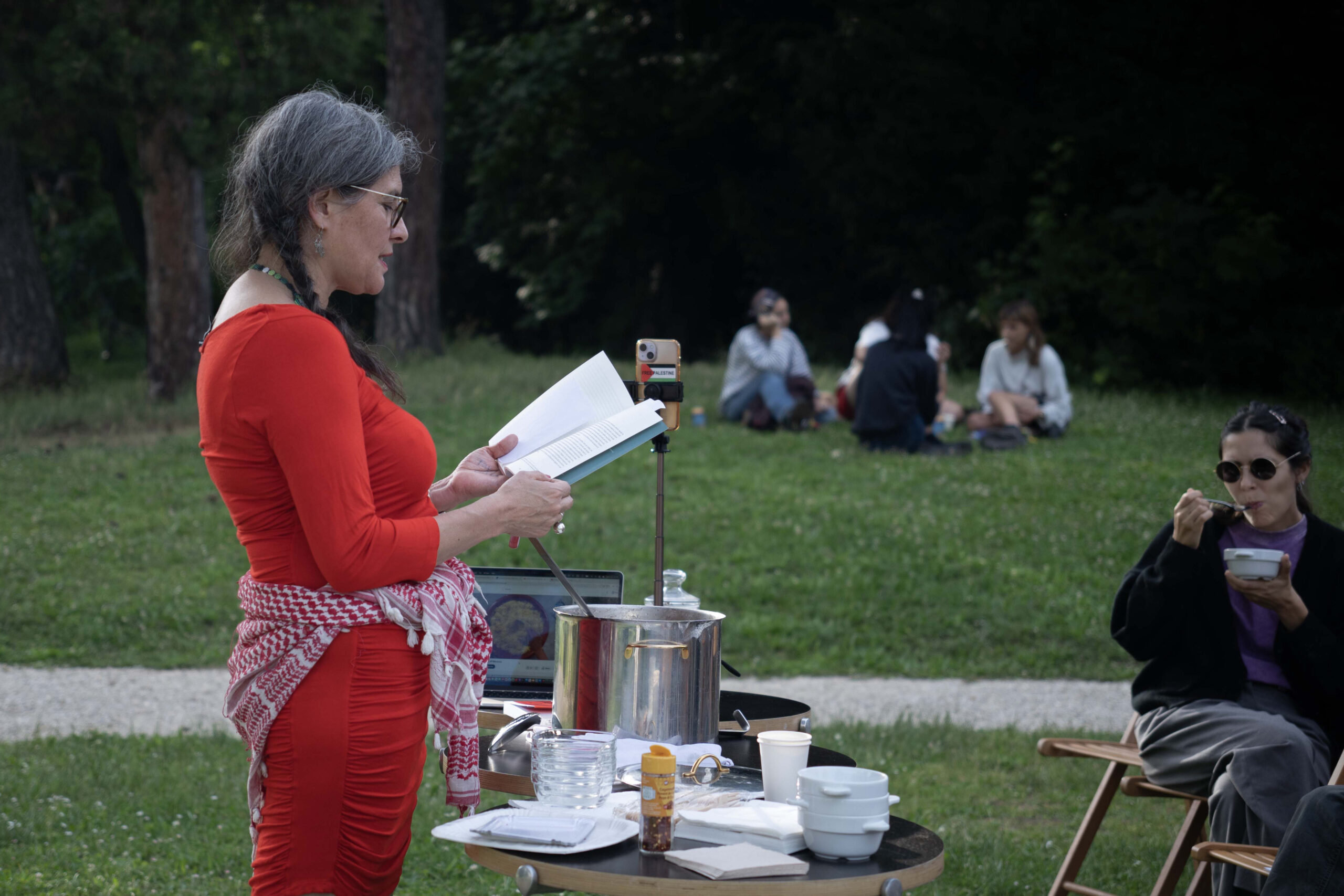
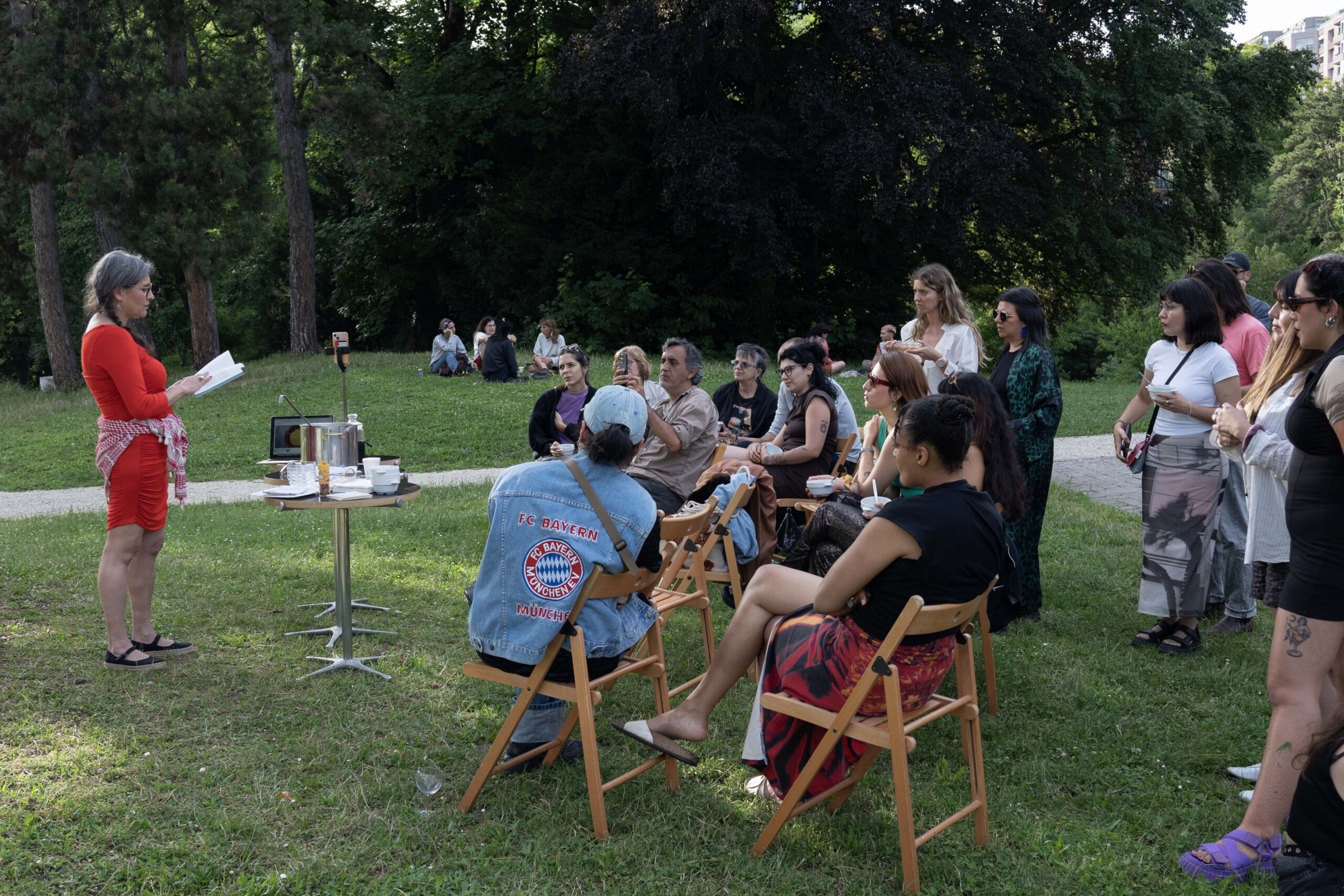
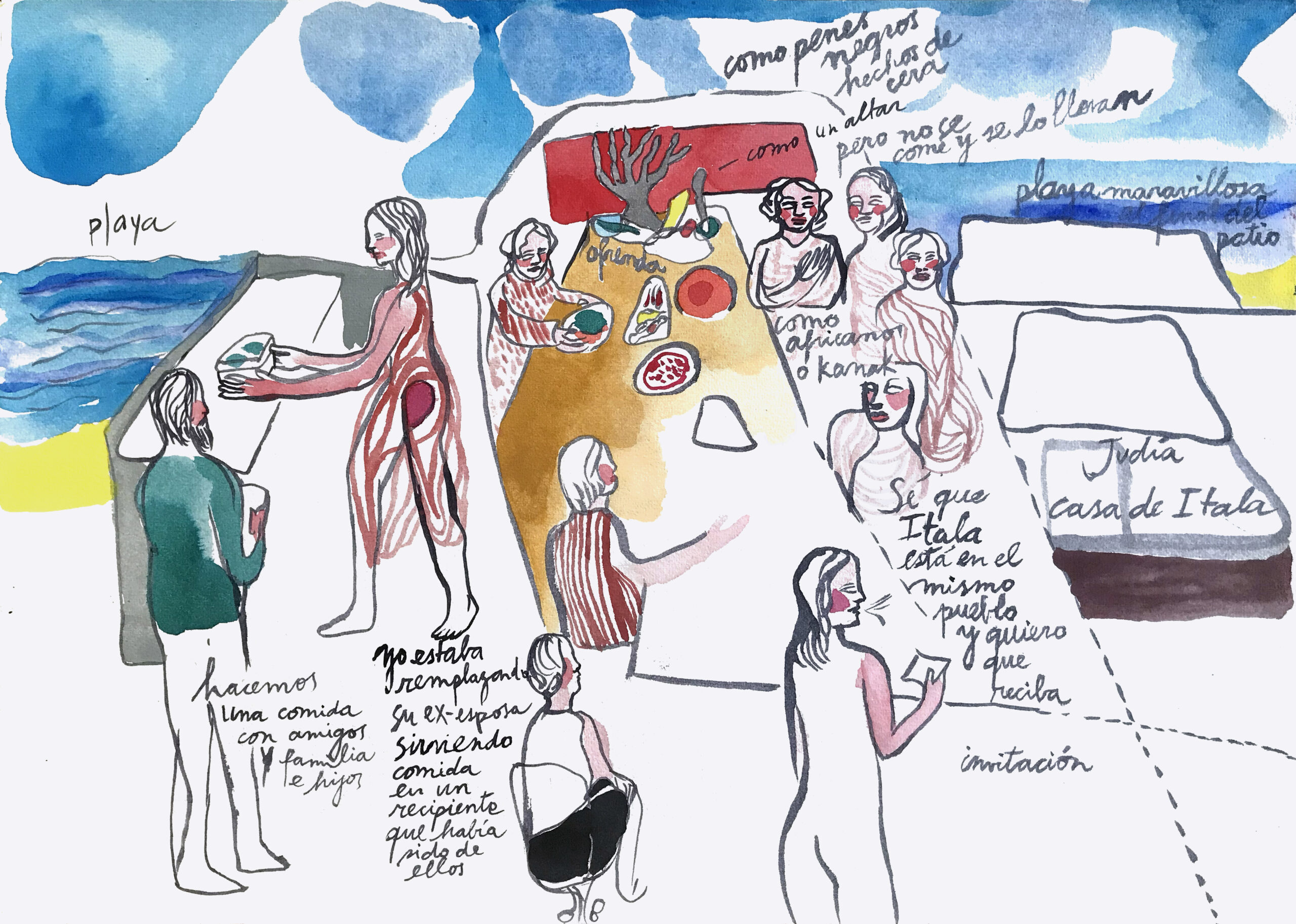
    Marisa Cornejo (Chili, 1971) revisite l’Histoire et les histoires qui apparaissent dans ses rêves. Elle propose ici une performance où elle cuisinera en plein air, dans le parc de la Villa, le tayeb o’hari que nous mangerons ensemble en parlant des rêves et de l’alimentation.

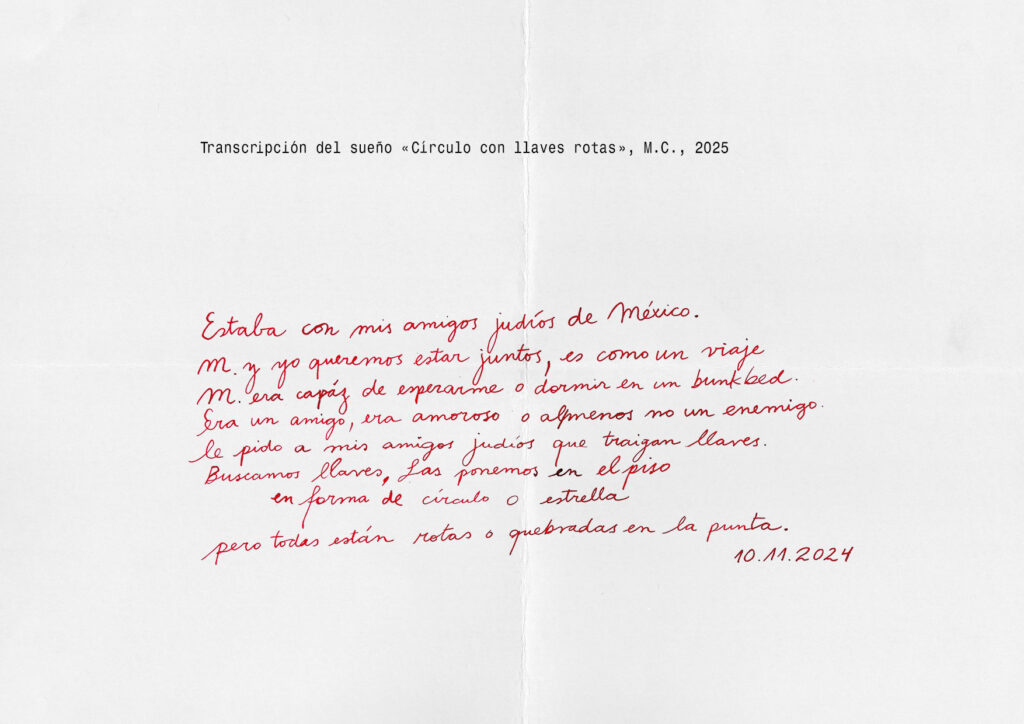
  • Transcripción, 2026

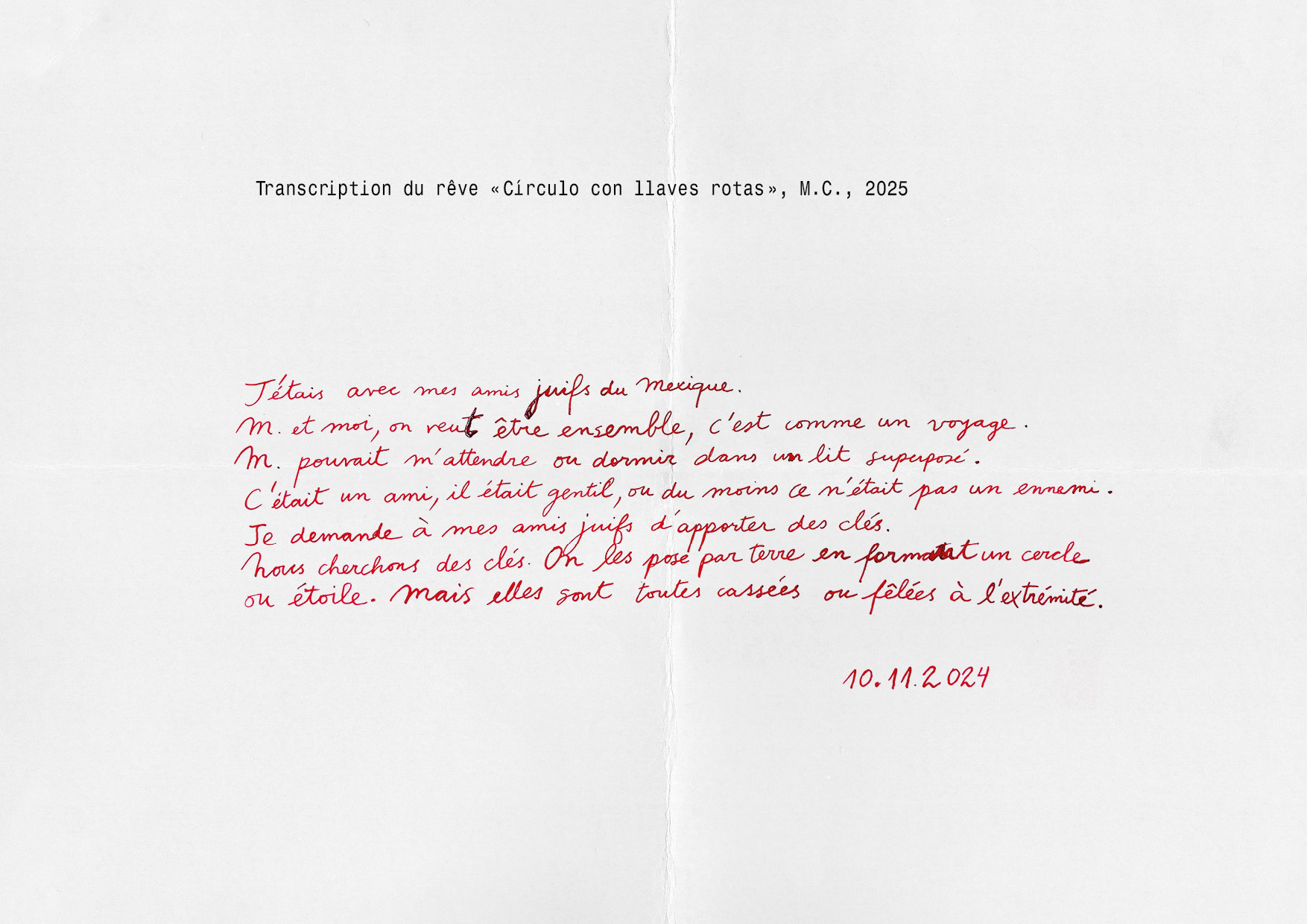
    Title: Transcripción
    Description: Digital print on paper
    Printed by: Atelier en marge, Geneva
    Size: 21×29,7cm
    Edition: not numbered, free to pick
    Date: 2026


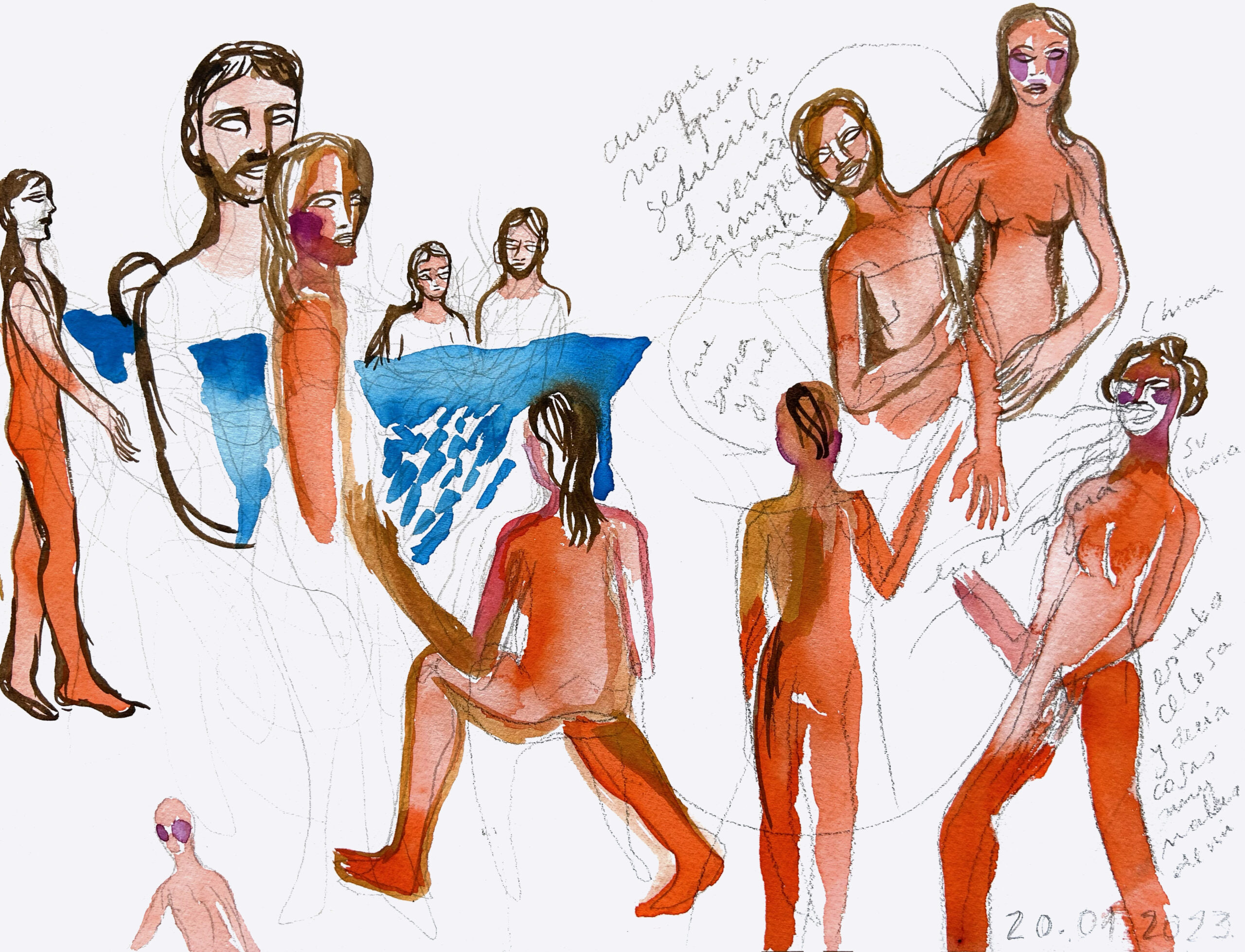
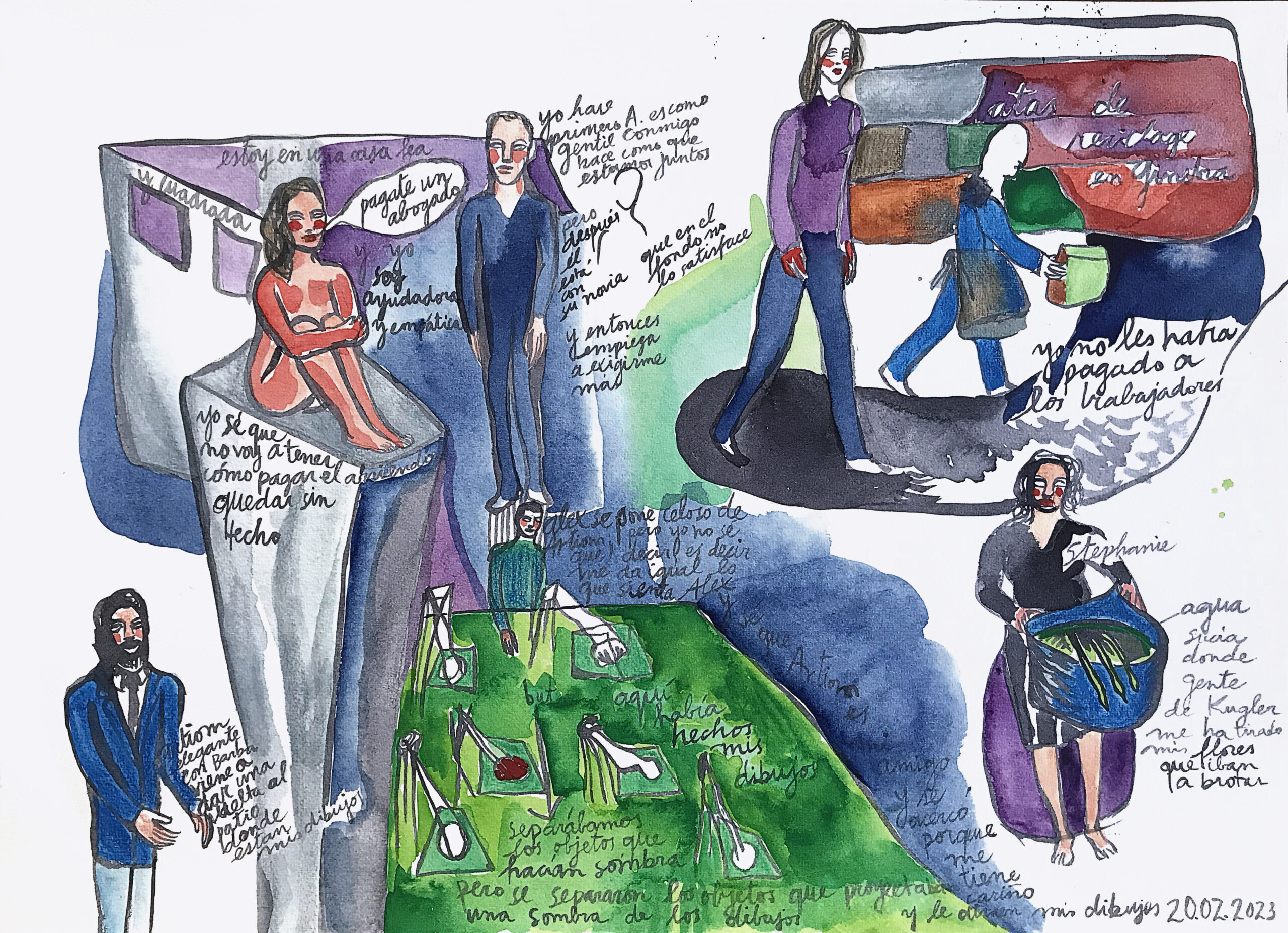
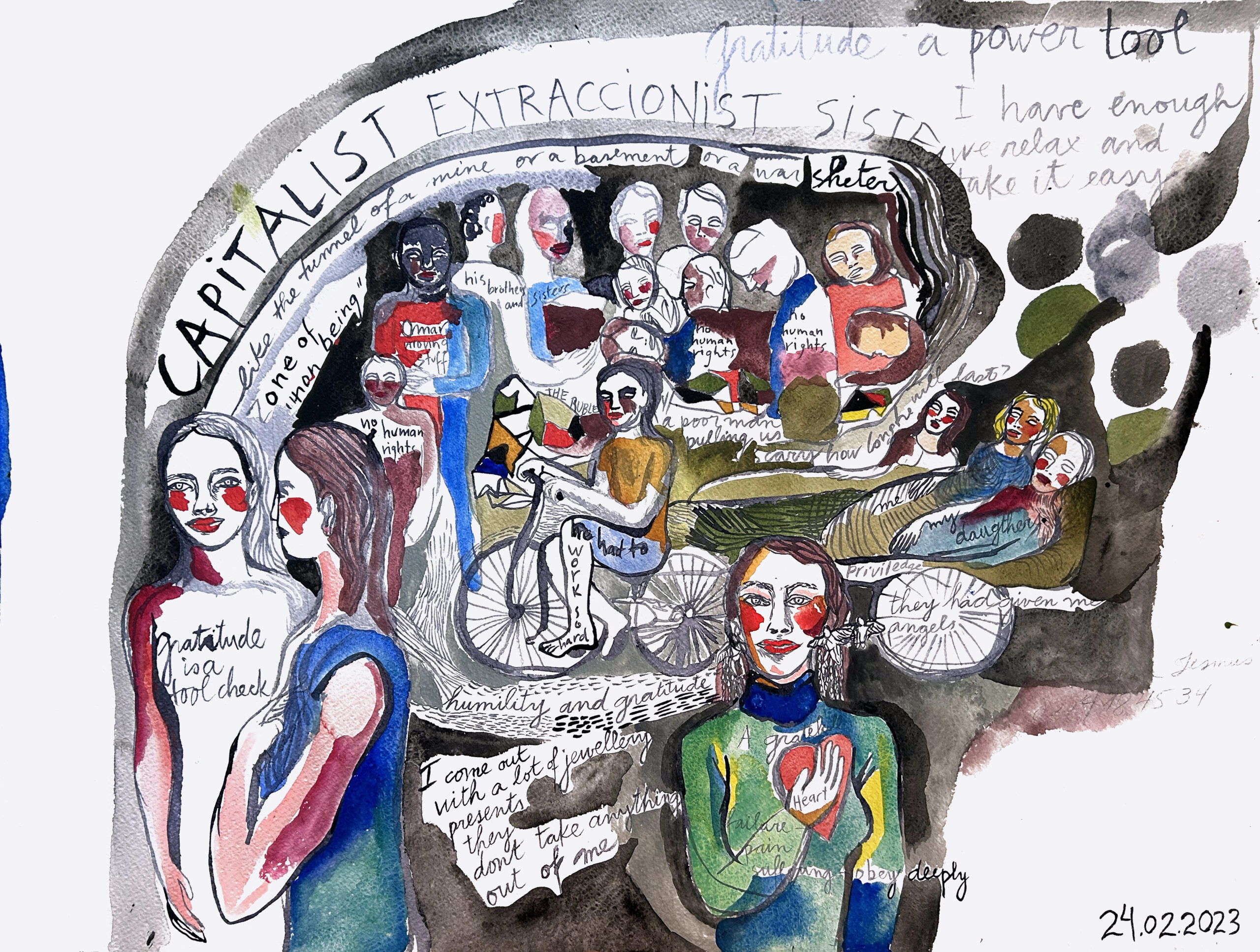
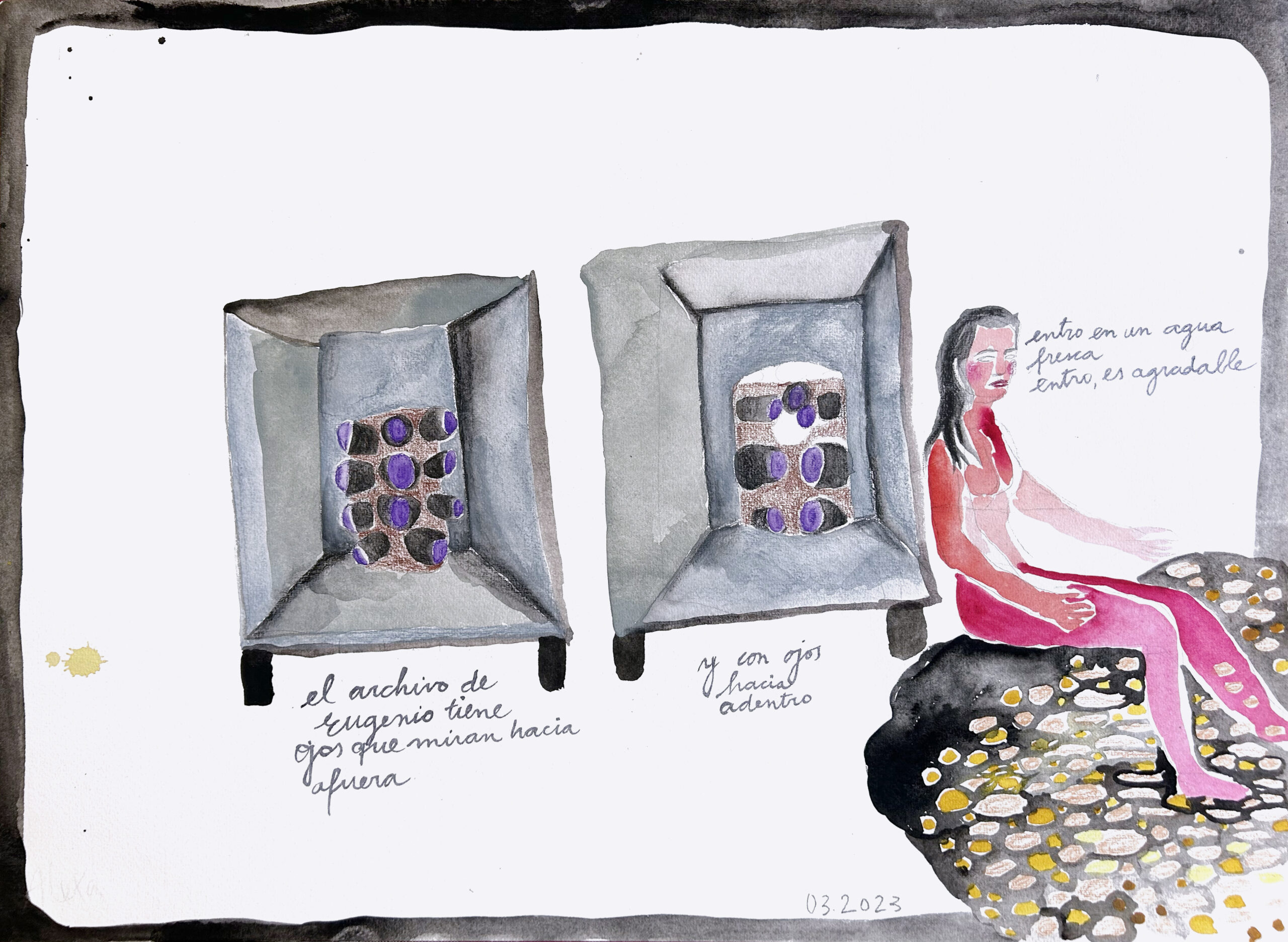
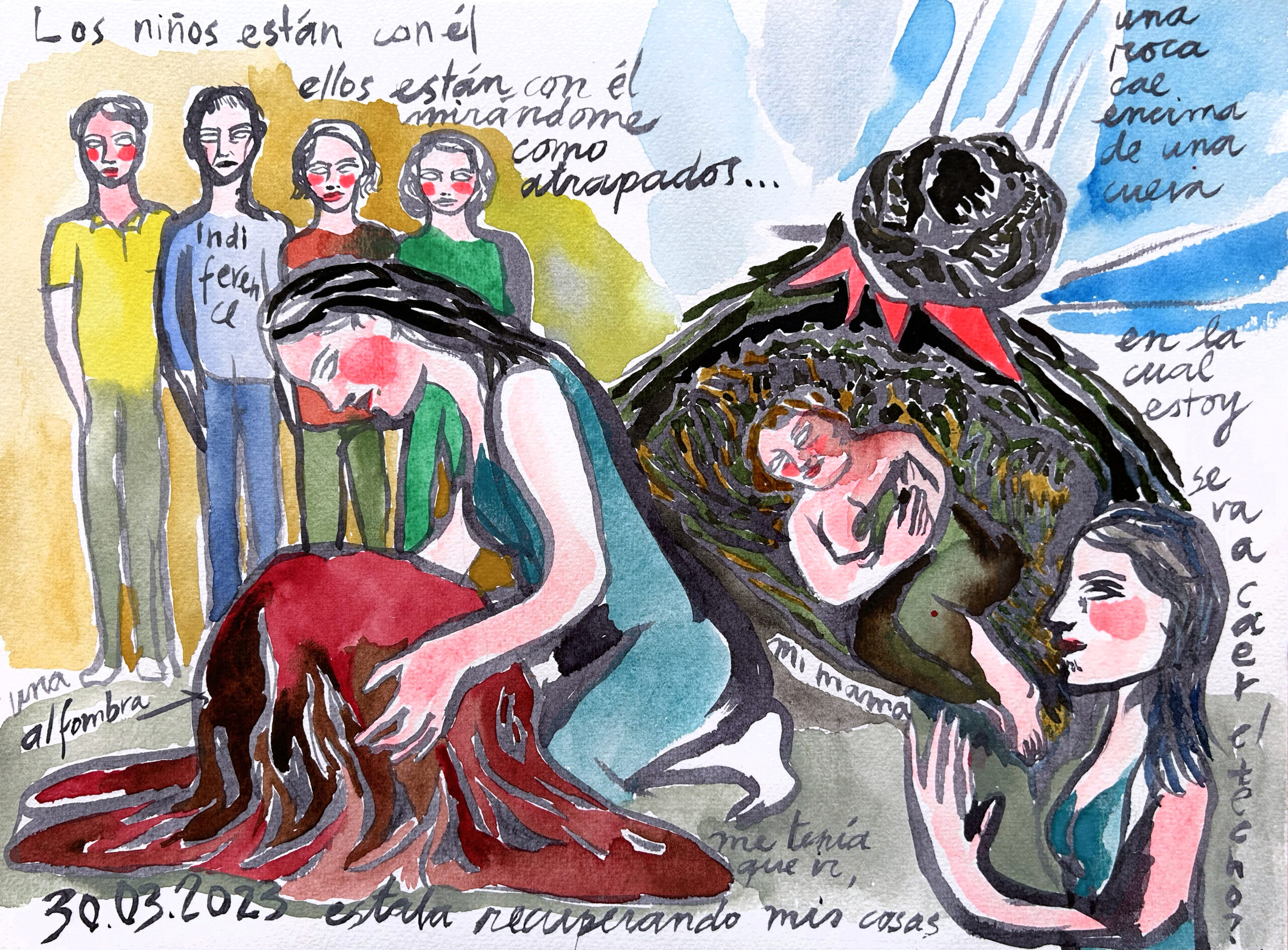
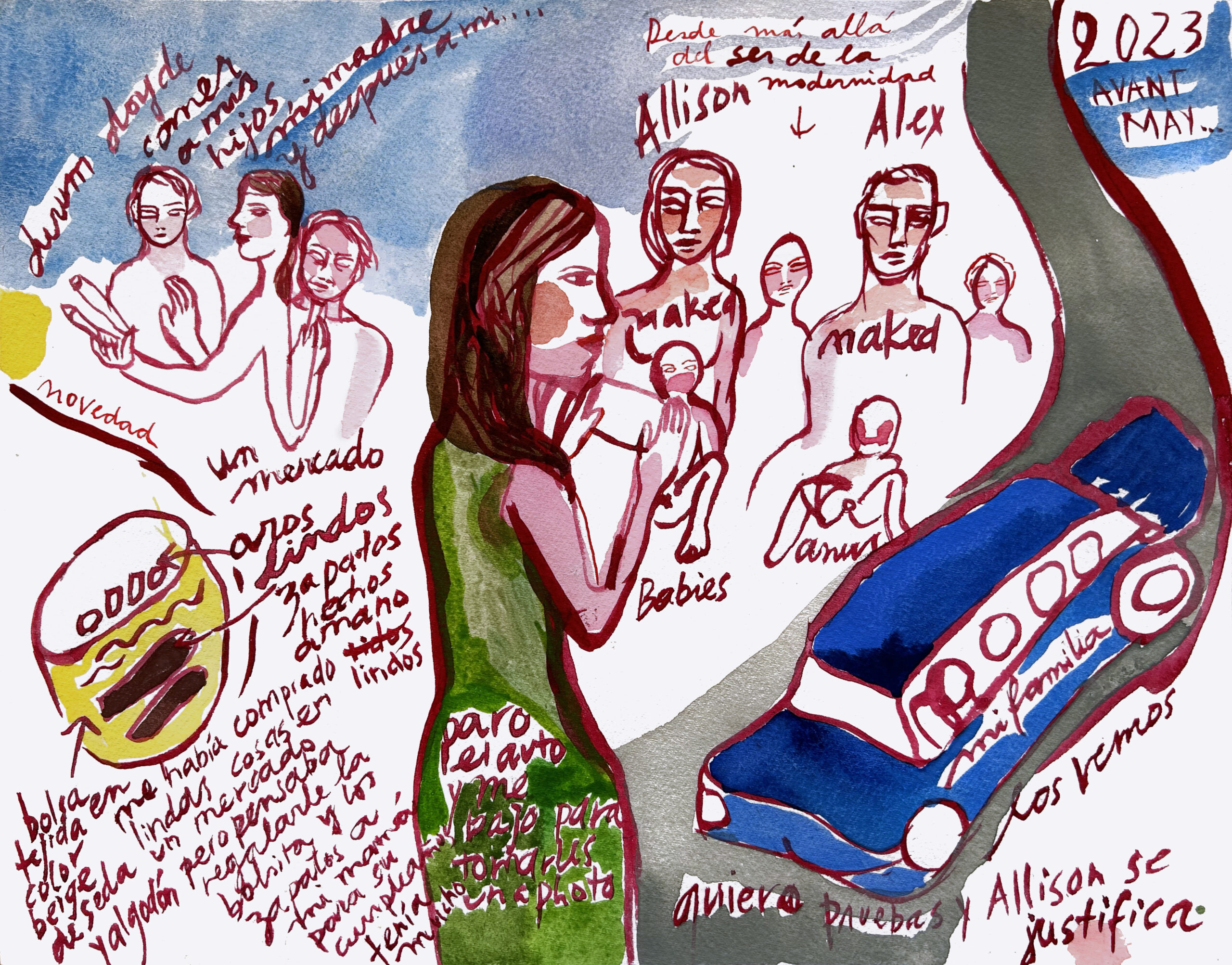
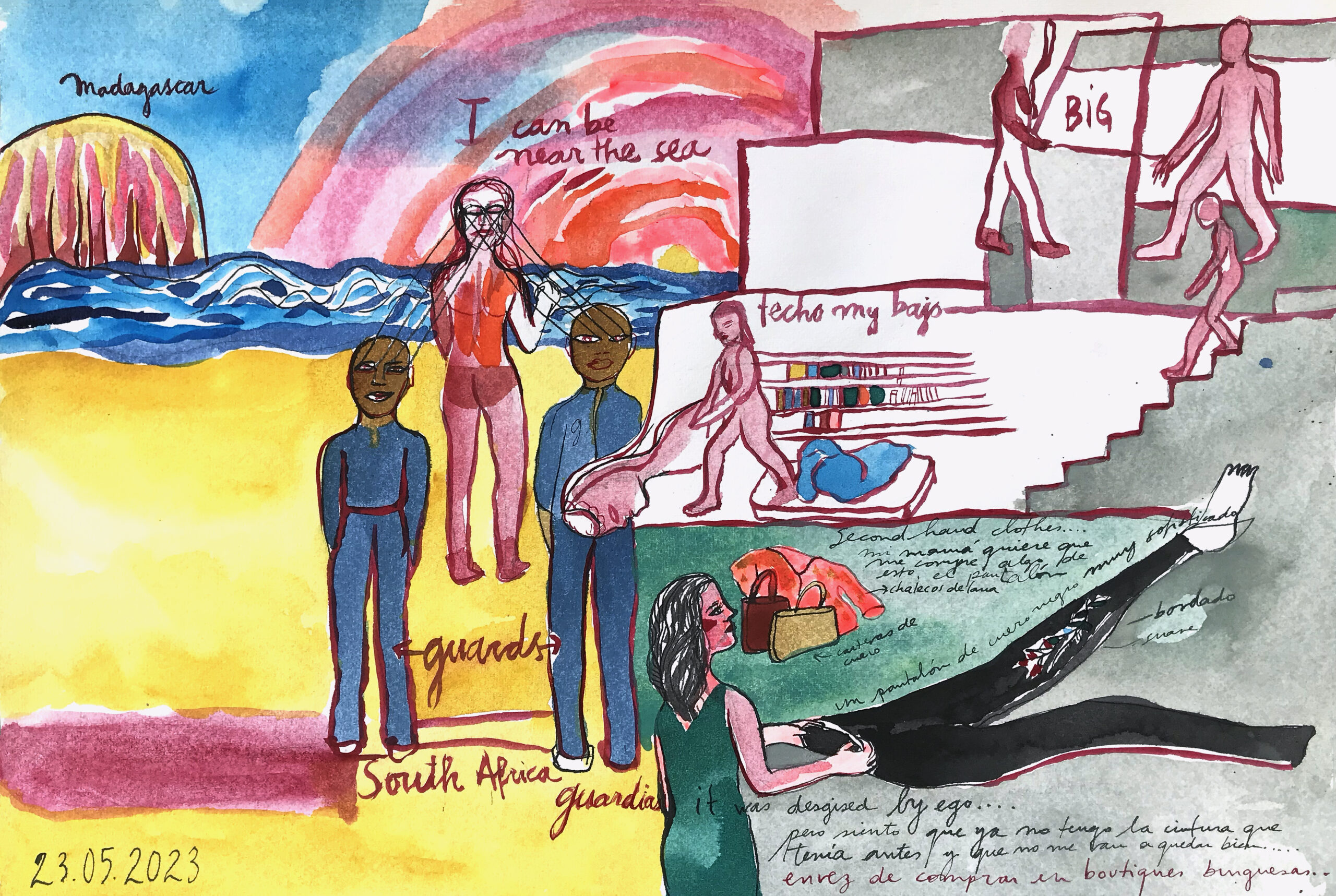
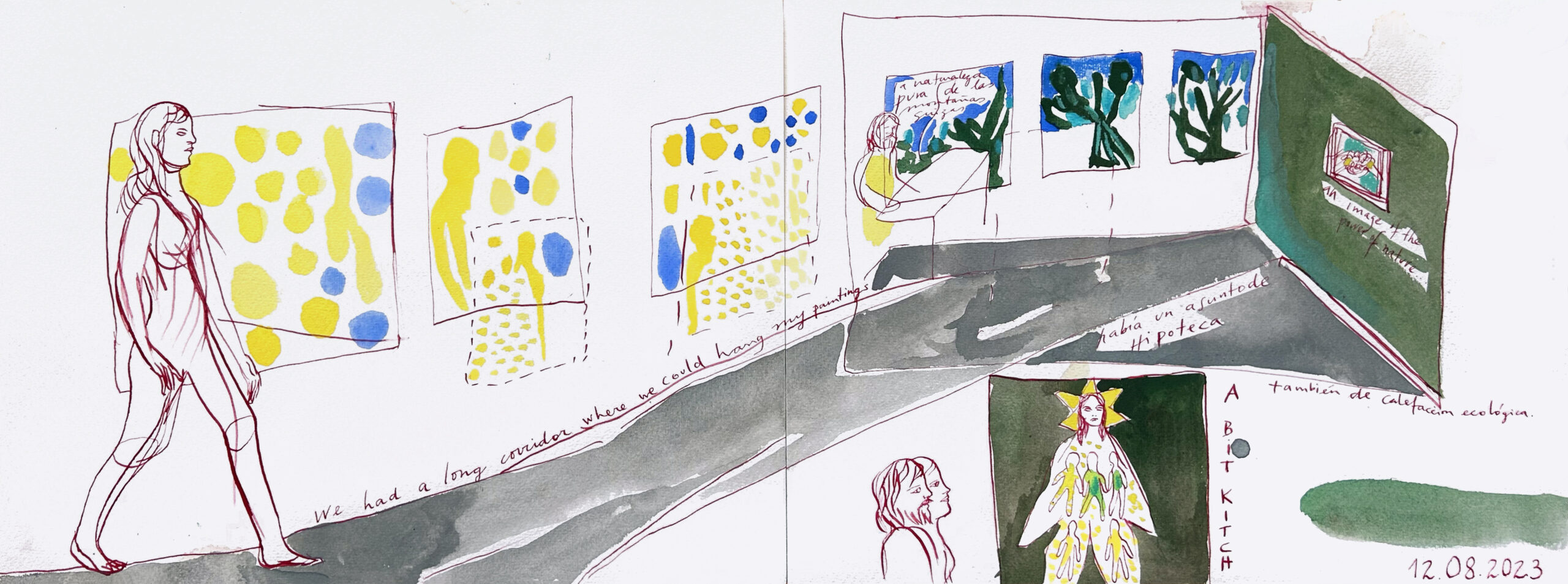
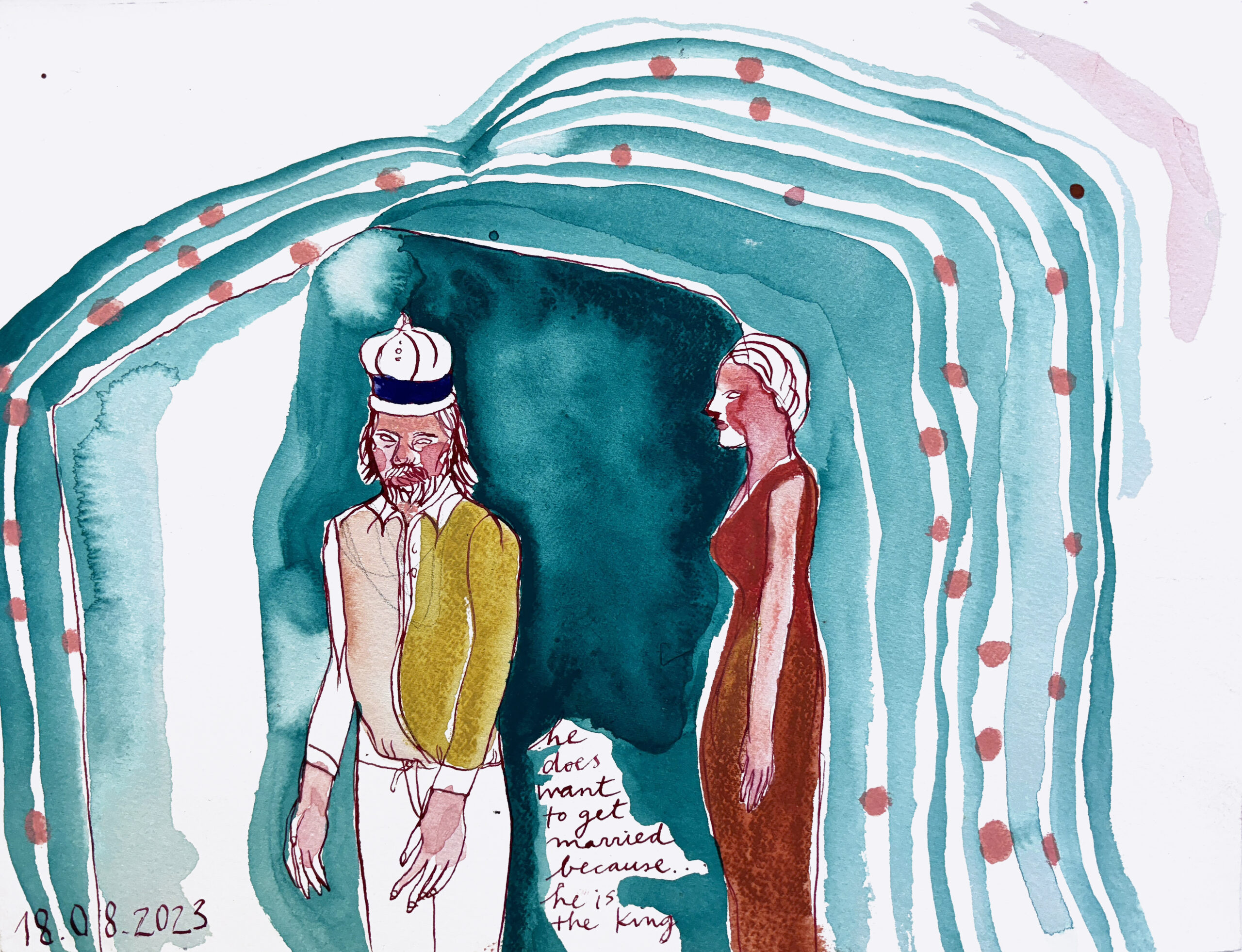
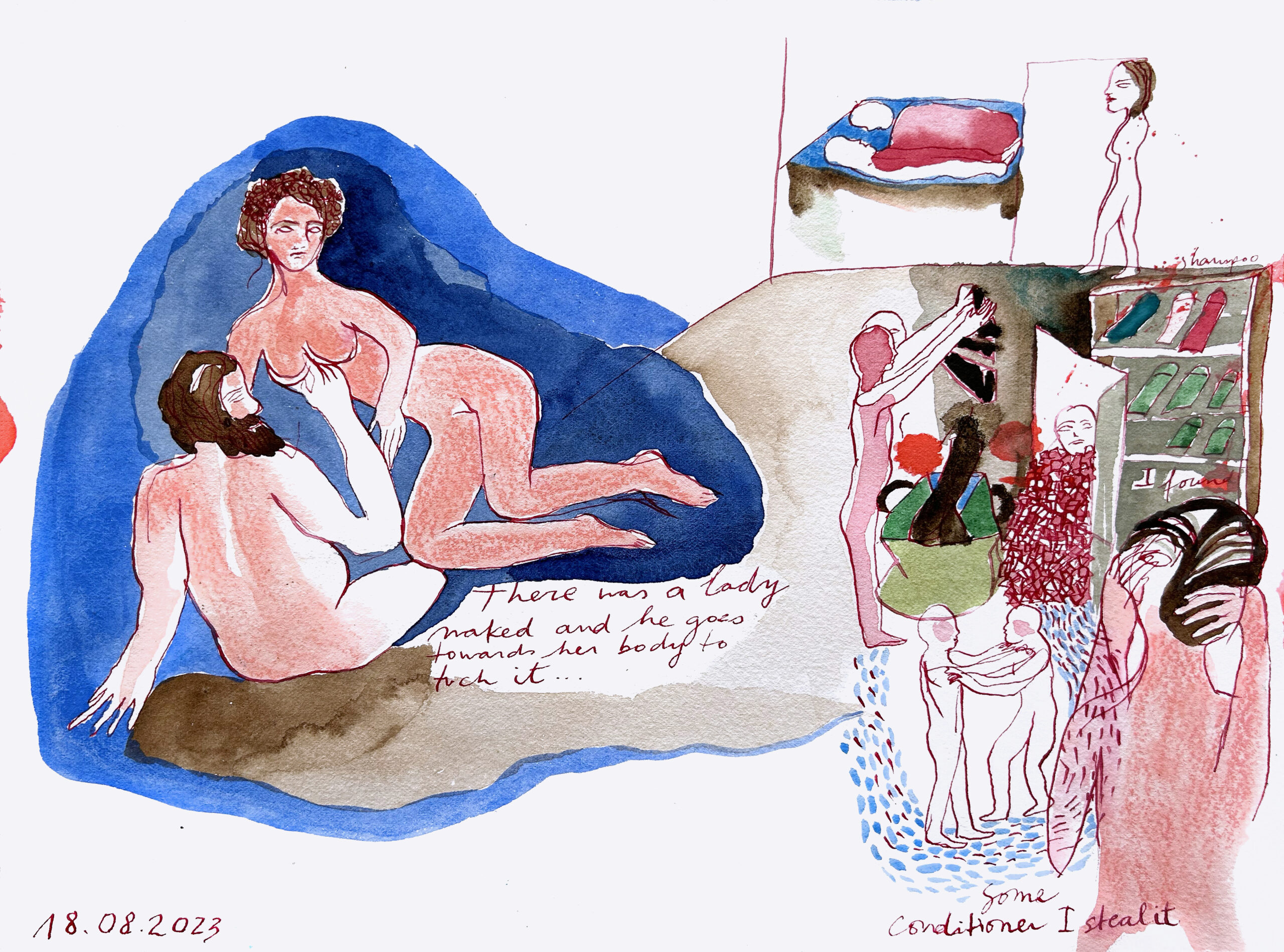
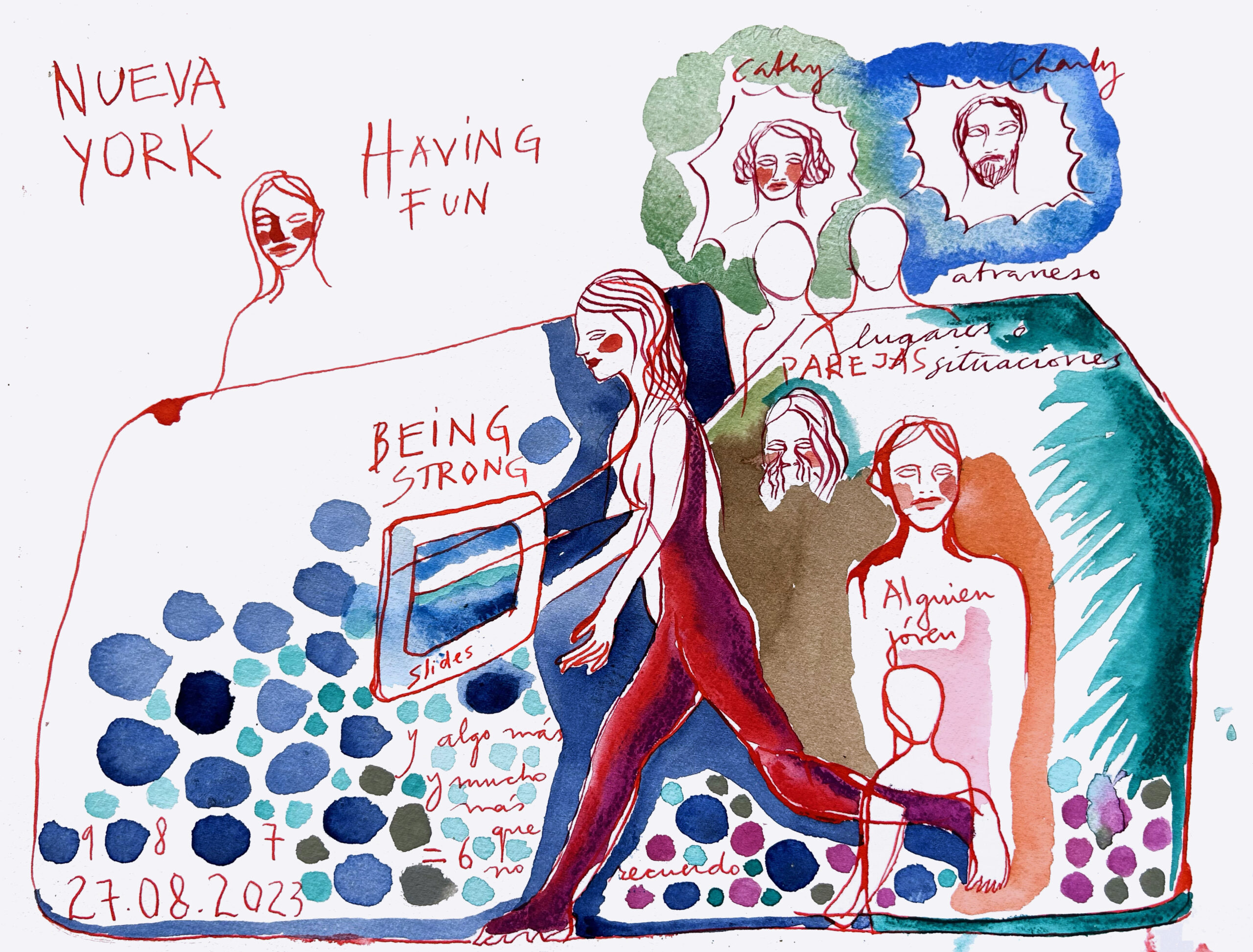
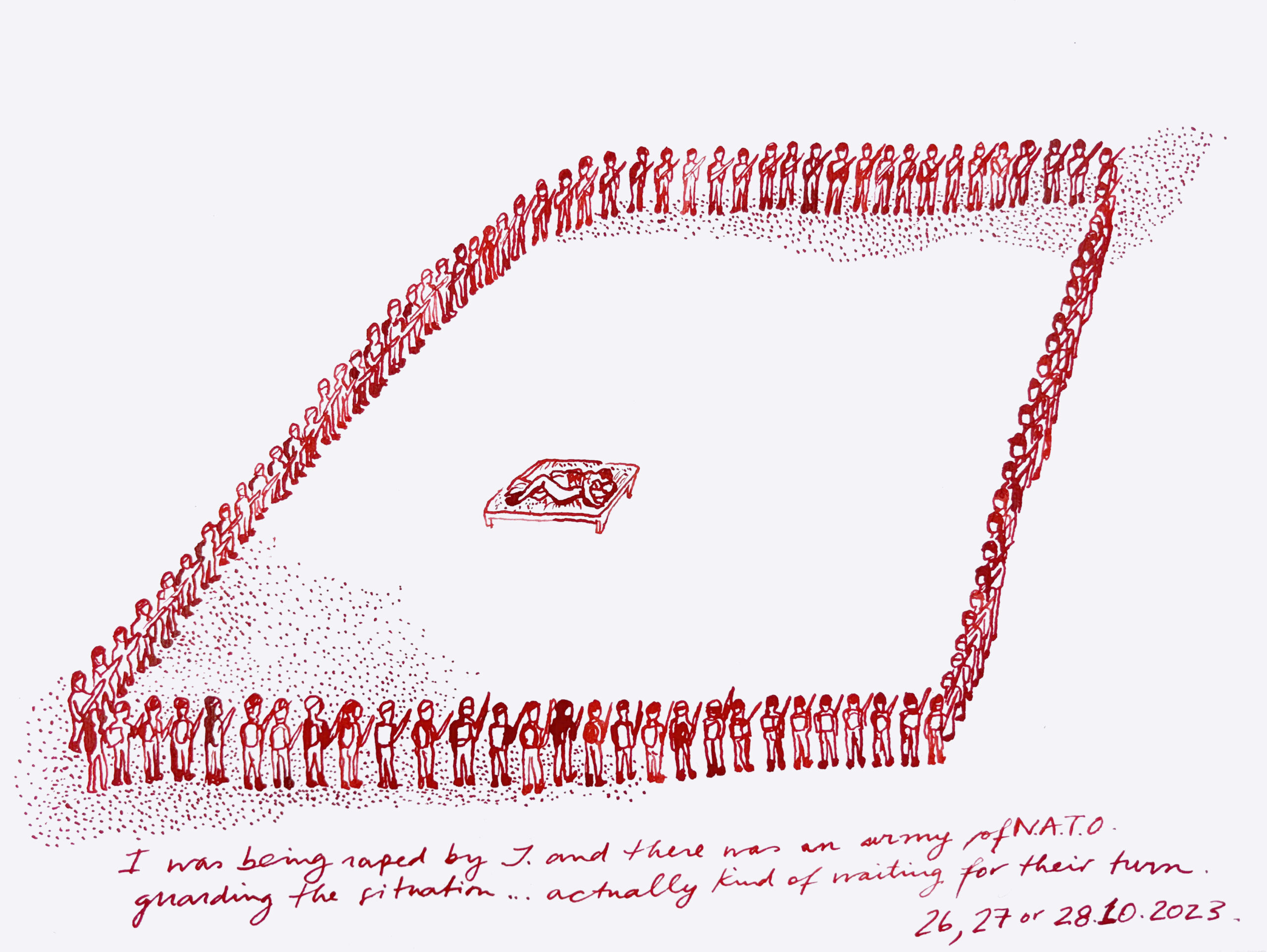
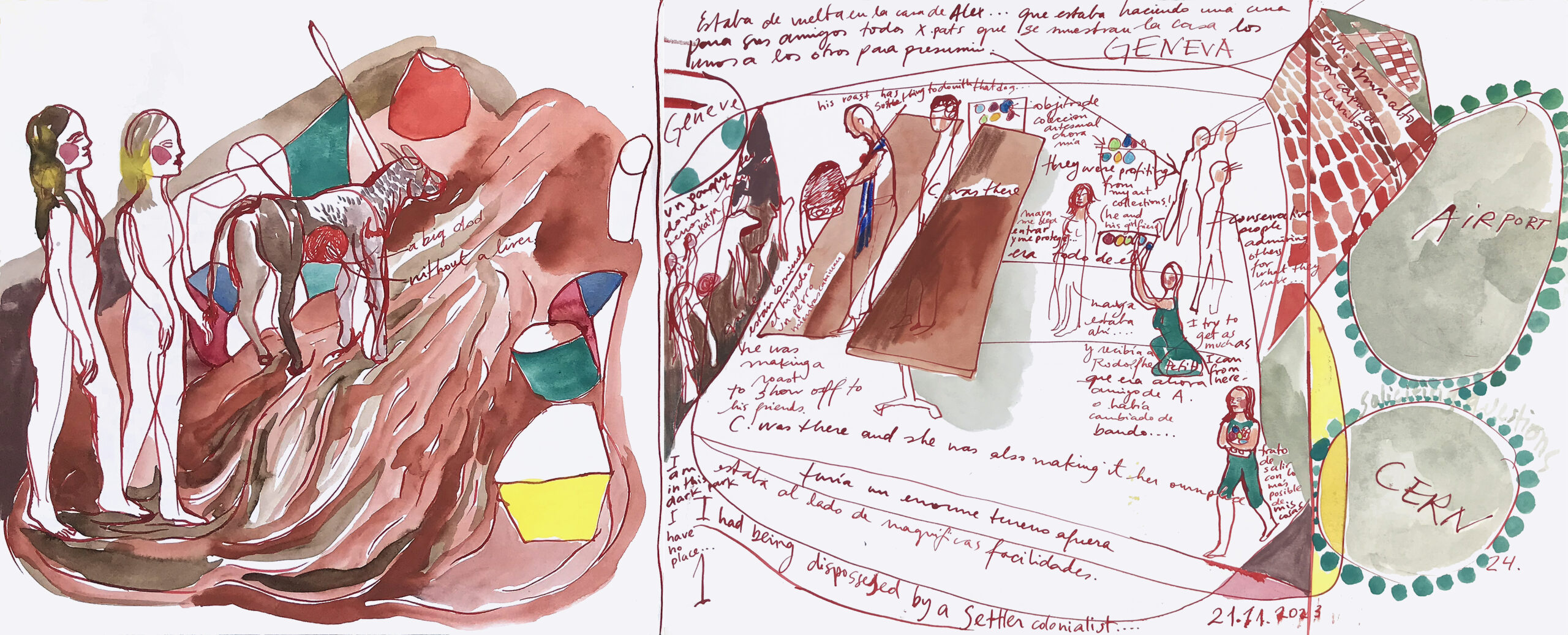
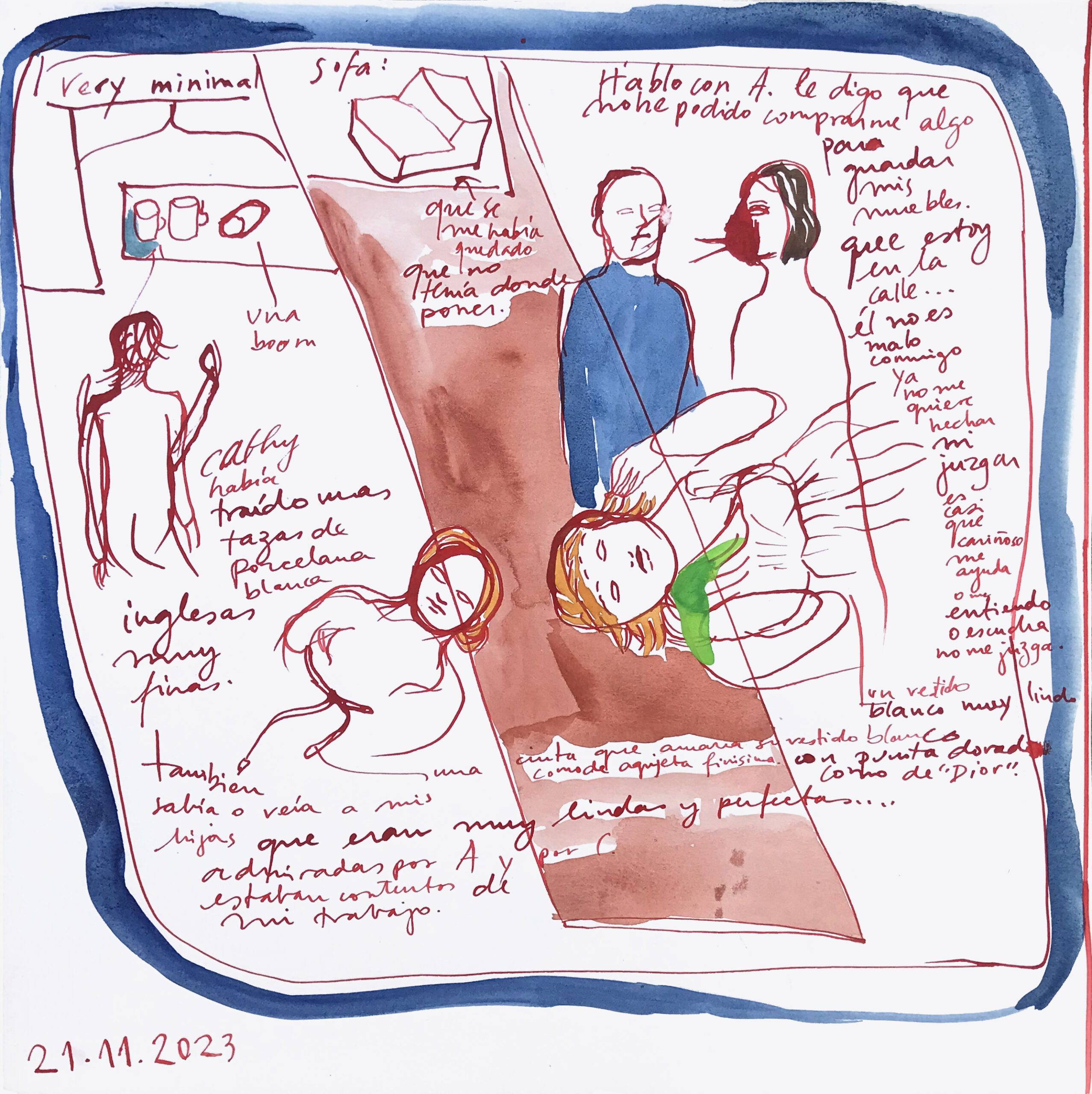
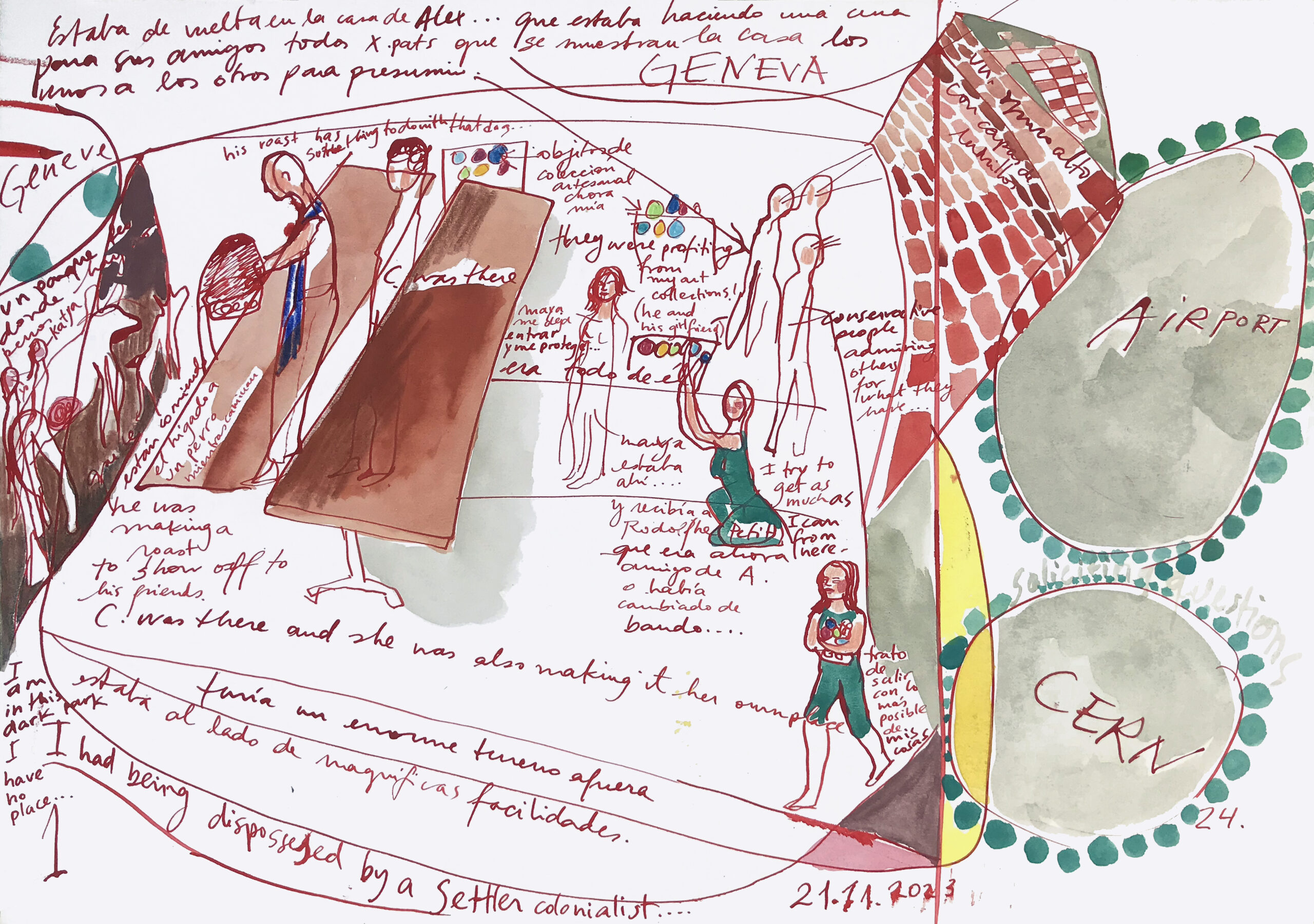
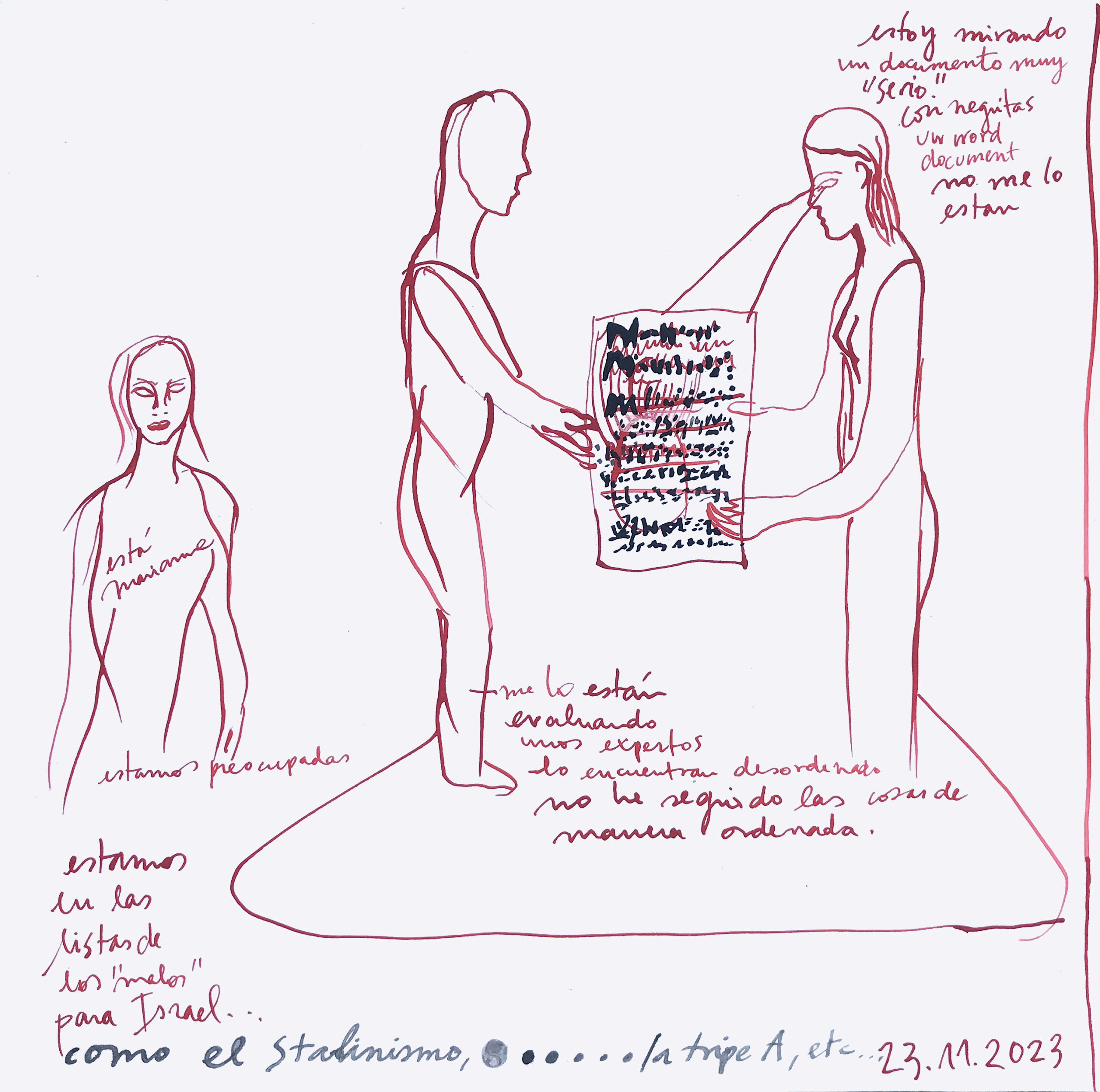
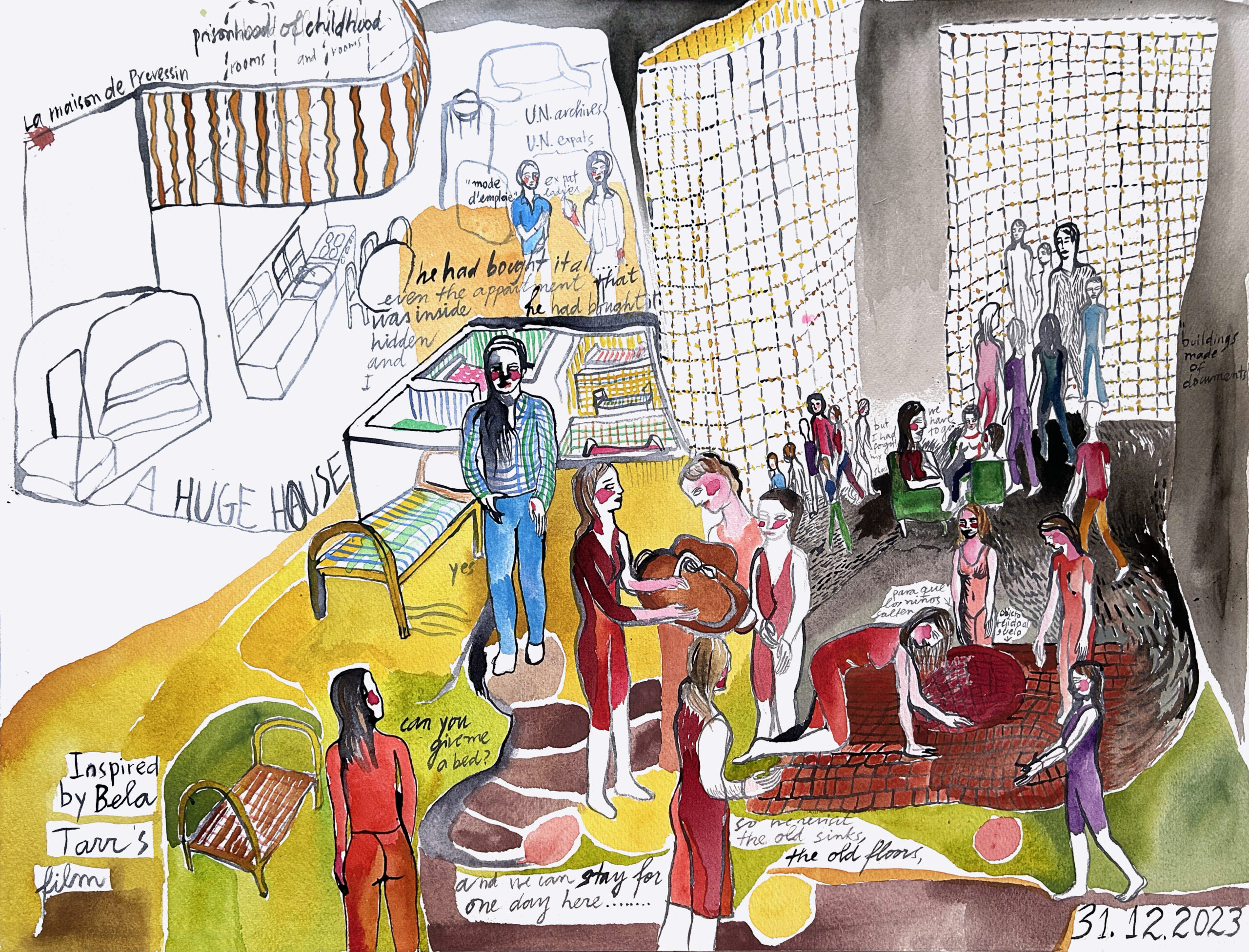
  • Dreaming is free, 2023

  • Home is where we start from

    Maison Tavel, MAH, Genève
    20.02.– 31.08.2025 

    Title: Home is where we start from
    With: Marina Abramović, Clara Alloing, Anna Barseghian, Marie José Burki, Marisa Cornejo, Fabiana de Barros, Anjesa Dellova, Silvina Der-Meguerditchian, Elena El Asmar, Ekene Emeka-Maduka, Kantarama Gahigiri, Margherita Giust i & Selinna Ajamikoko, Mona Hatoum, Vanna Karamaounas, Varduhi Khachatryan, Kimsooja, Elisabeth Llach, Keiko Machida, Shirin Neshat, Rosana Palazyan, Maria-Carmen Perlingeiro, Mai-Thu Perret, Carmen Perrin, Alexandra Roussopoulos, Davide-Christ elle Sanvee, Iris Sara Schiller, Zineb Sedira, Maria Tsagkari, Vivianne van Singer.
    Curated by: Adelina von Füstenberg
    Venue: Maison Tavel, MAH, Genève
    Dates: 20.02.– 31.08.2025 

    Home is where we start from is a contemporary art project that begins in the Canton of Geneva to celebrate the voices of women artists when they are confronted with intercultural priorities and the impact of migration. The project aims to highlight the inherent singularities in the artistic creation of women, shaped by their identity and culture, inherited from the first, second, and sometimes even the third generation of immigrants.

    The project will delve into the memories of lost, abandoned, or reshaped identities, exploring notions of separation, displacement, survival, and rebirth, themes deeply rooted in the experiences of female immigrant artists as they find a new home. This newfound home becomes the space where creativity can once again express itself. The question of place holds fundamental importance in the transmission of culture, encompassing both the spiritual dimension, ideas, daydreams, and the physical locations that facilitate these cultural exchanges.

    Overall, Home is where we start from not only celebrates women artists’ resilience and creativity but also underscores the continuous interconnection and influence of diverse cultures in each other. It addresses significant societal themes, such as the impacts of migration on development and the importance of cultural exchange, making it a timely and relevant exhibition that prompts reflection and understanding.

    Adelina von Fürstenberg, ART for The World, Geneva

    Webpage

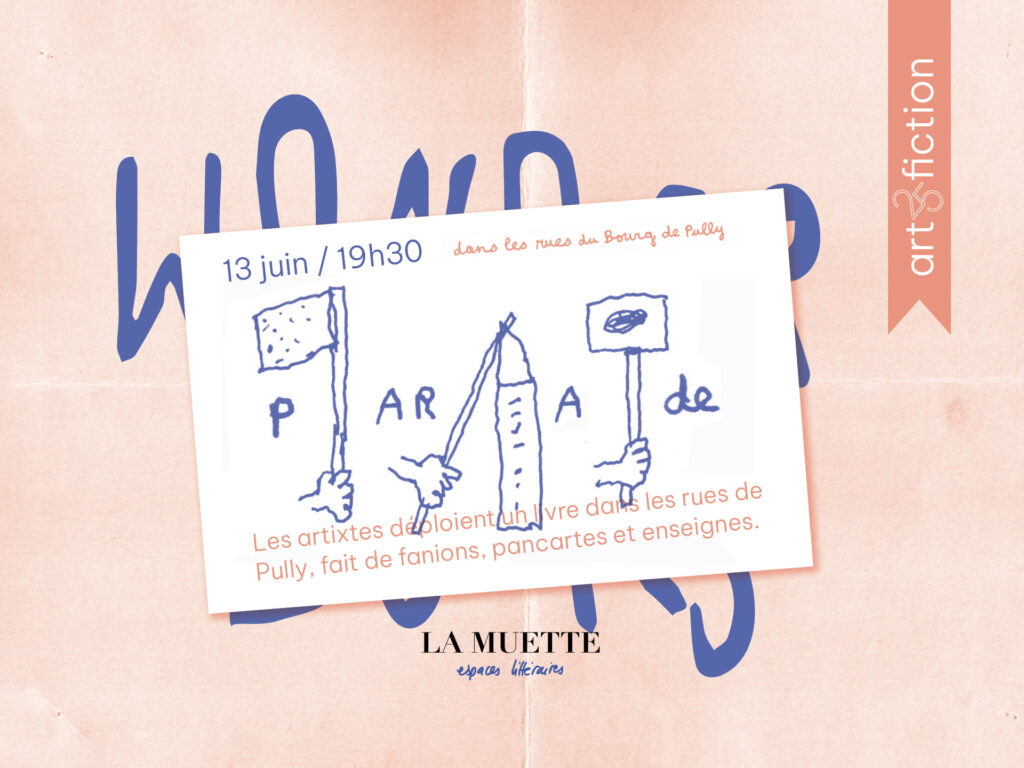
  • Wonderbooks Parade

    La Muette – Espaces littéraires, Pully
    13.06.2025, 7.30 pm 

    Collective action: Wonderbooks Parade
    With: Frédéric Clot, Jérôme Stettler, Lorna Bornand, Cristina Da Silva, Nicolas Fournier, Stéphanie Pfister, Claudia Renna, Claude-Hubert Tatot, Daniel Ruggiero, Pauline Ammann, Emmanuel Wüthrich, Alain Huck, Anaëlle Clot, Thomas Schunke, Amina Jendly, Pascale Favre, Pierre-Philippe Freymond, Florence Vuilleumier, Delphine Reist, Débora Beuret-Strambini, Naomi Del Vecchio, Pierre Bonard, Marisa Cornejo, Sylvie Mermoud, Virginie Otth, Aymeric Vergnon-d’Alançon, Marie-France Martin, David Curchod, Philippe Fretz, Nicolas Geiser, Nicolas Pahlisch, Barbara Cardinale, Muma Soler, Keiko Machida, Liliana Gassiot, Alexia Turlin, Christian Pellet, Patricia Glave, Céline Masson, Giancarlo Mino.
    Curated by: art&fiction, éditions d’artistes
    Exhibition: Wonderbooks, 25 ans des éditions art&fiction
    Venue: La Muette – Espaces littéraires, Pully
    Date: 13.06.2025, 7.30 pm  

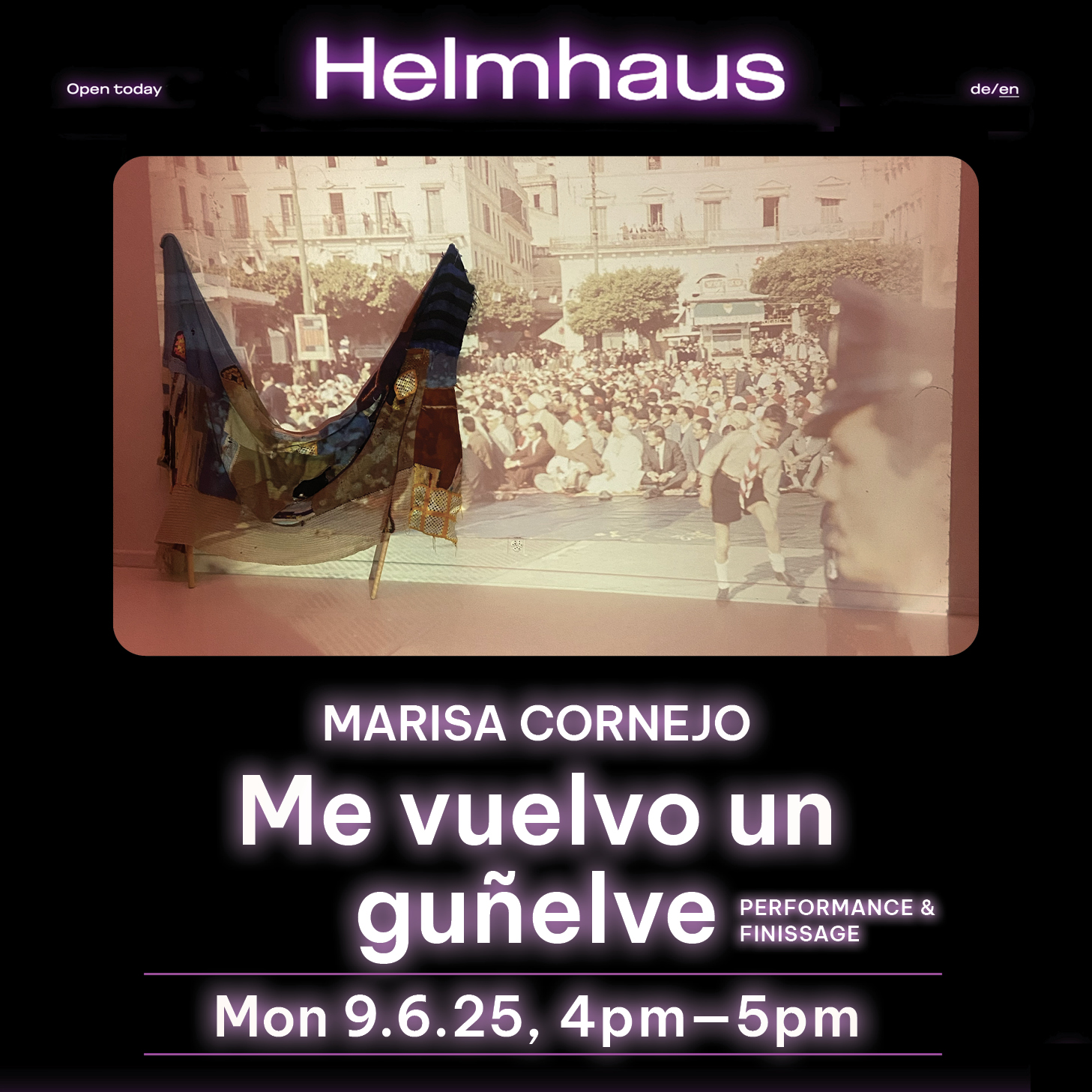
  • Me vuelvo un Guñelve

    Helmhaus, Zürich
    09.06.2025, 4pm   

    Title: Me vuelvo un Guñelve
    By: Marisa Cornejo
    Assisted by: Stéphane Fretz
    Curated by: Nathalie Killias and Cristiana Contu
    Technical support: Sarai Aron
    Sound: Simon Risi
    Exhibition: Passato Presente
    Venue: Helmhaus, Limmatquai 31, 8001 Zürich
    Date: 09.06.2025, 4pm  

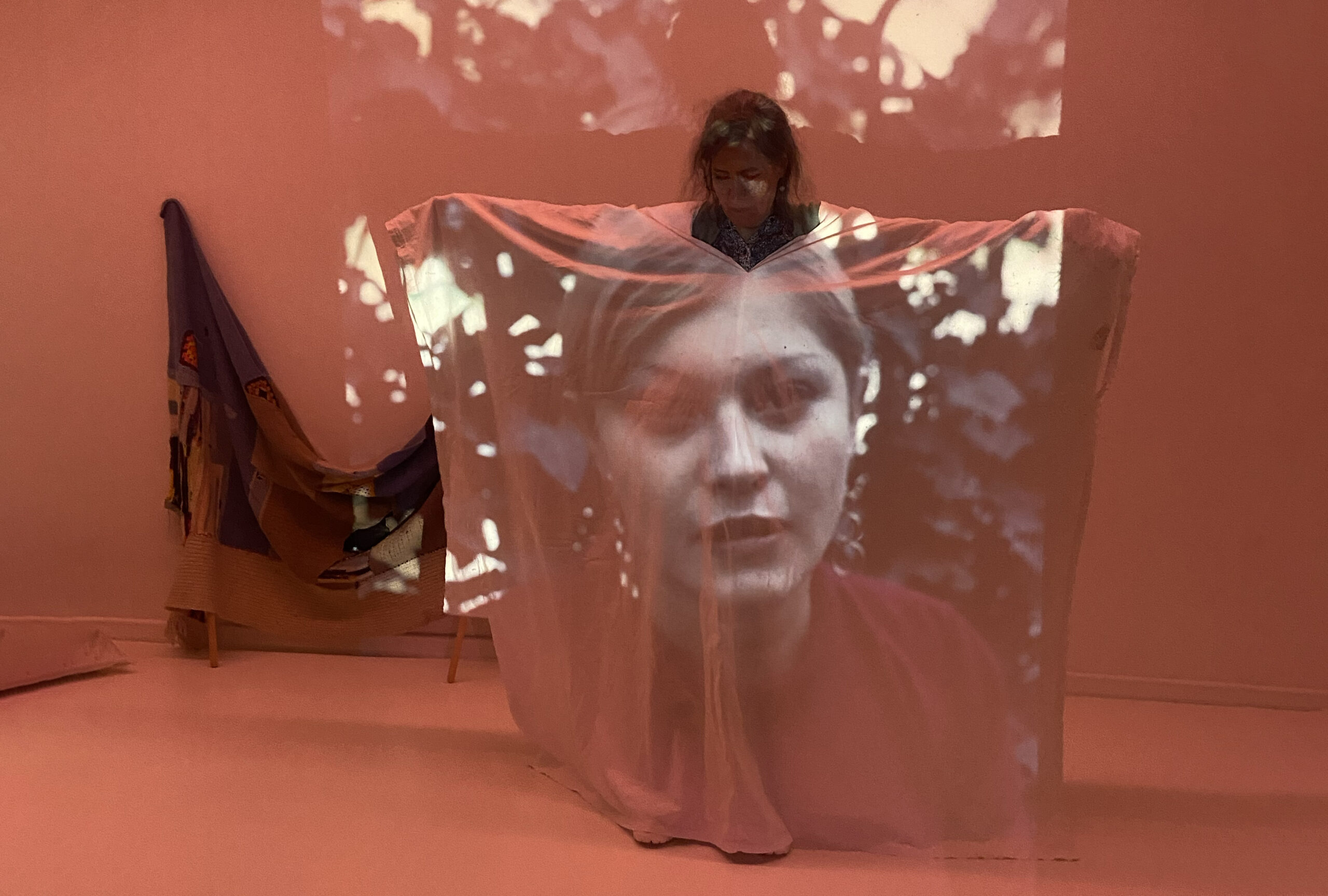
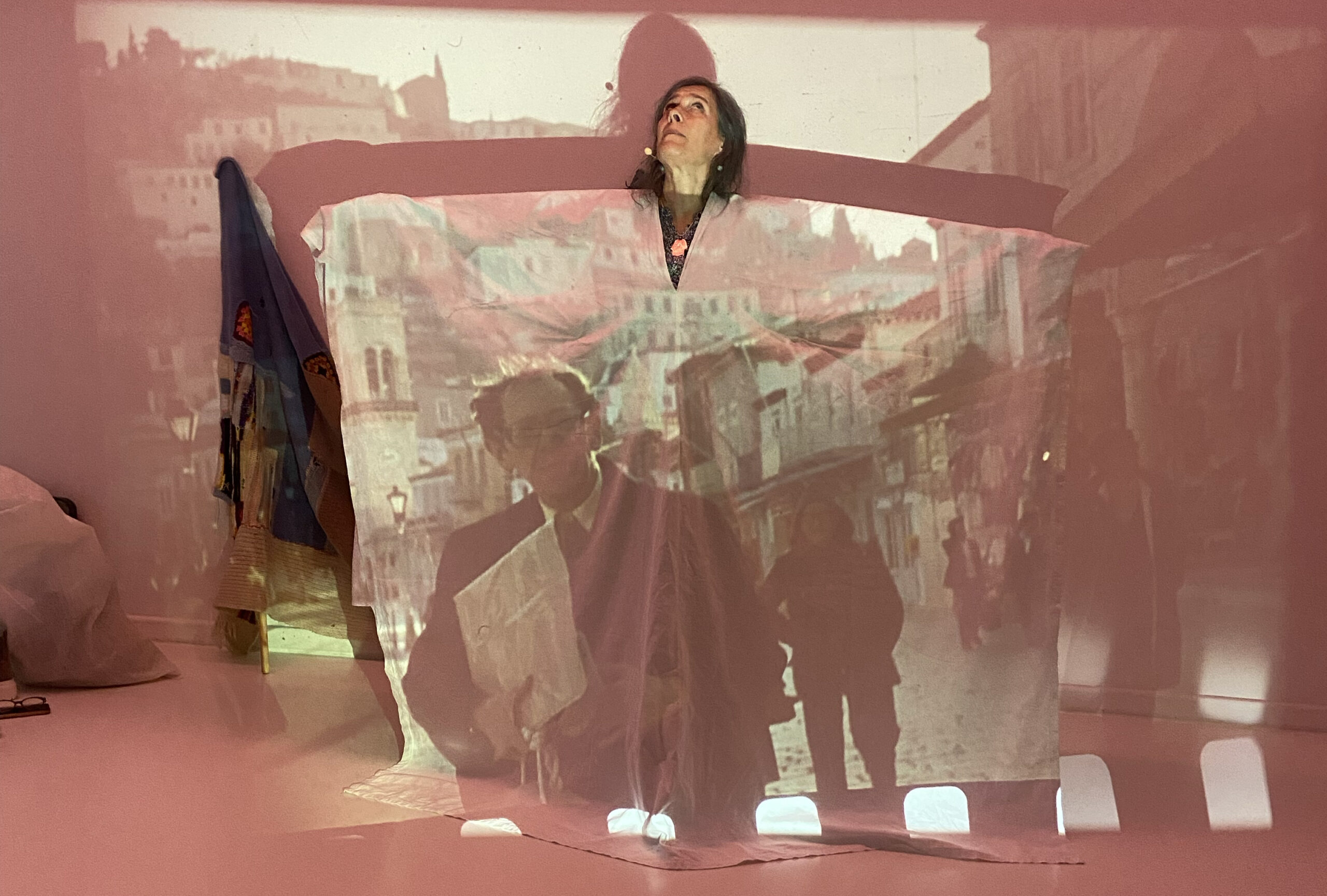
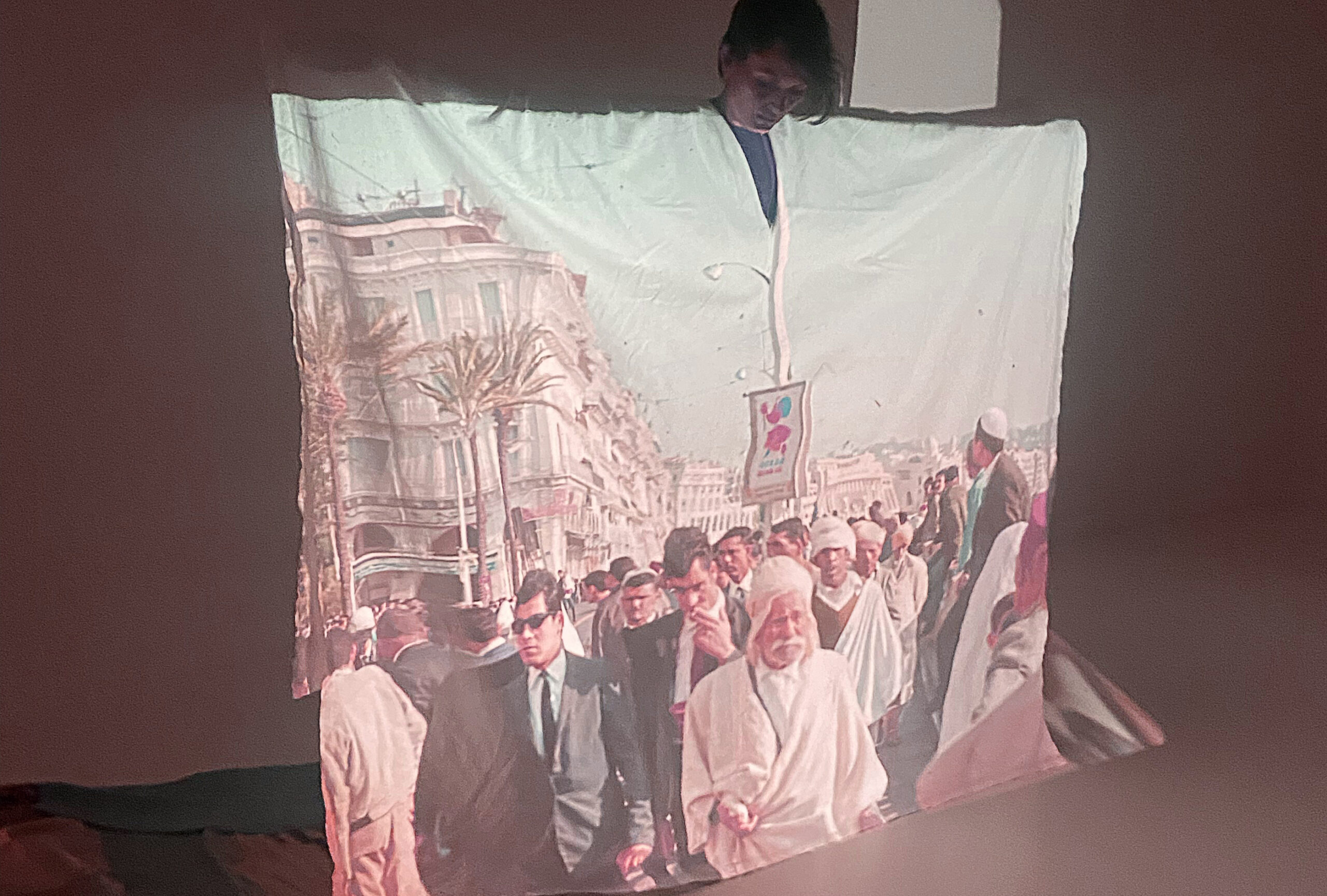
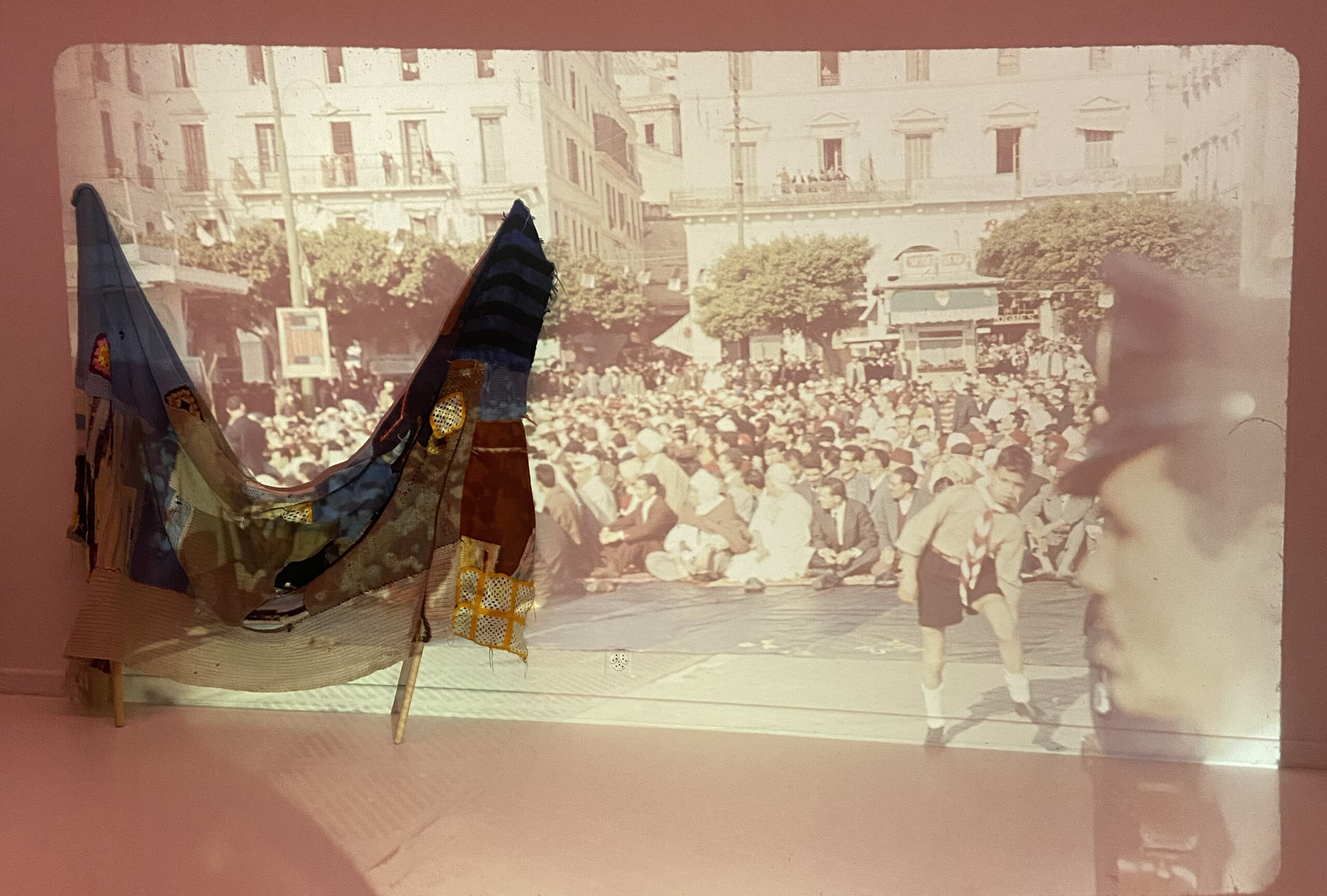
    This performance by the artist Marisa Cornejo is based on a dream in which she metamorphoses into a Guñelve. The Guñelve, in mapudungun, the mapuche language, is an eight-pointed star that symbolises the dawn and Venus.
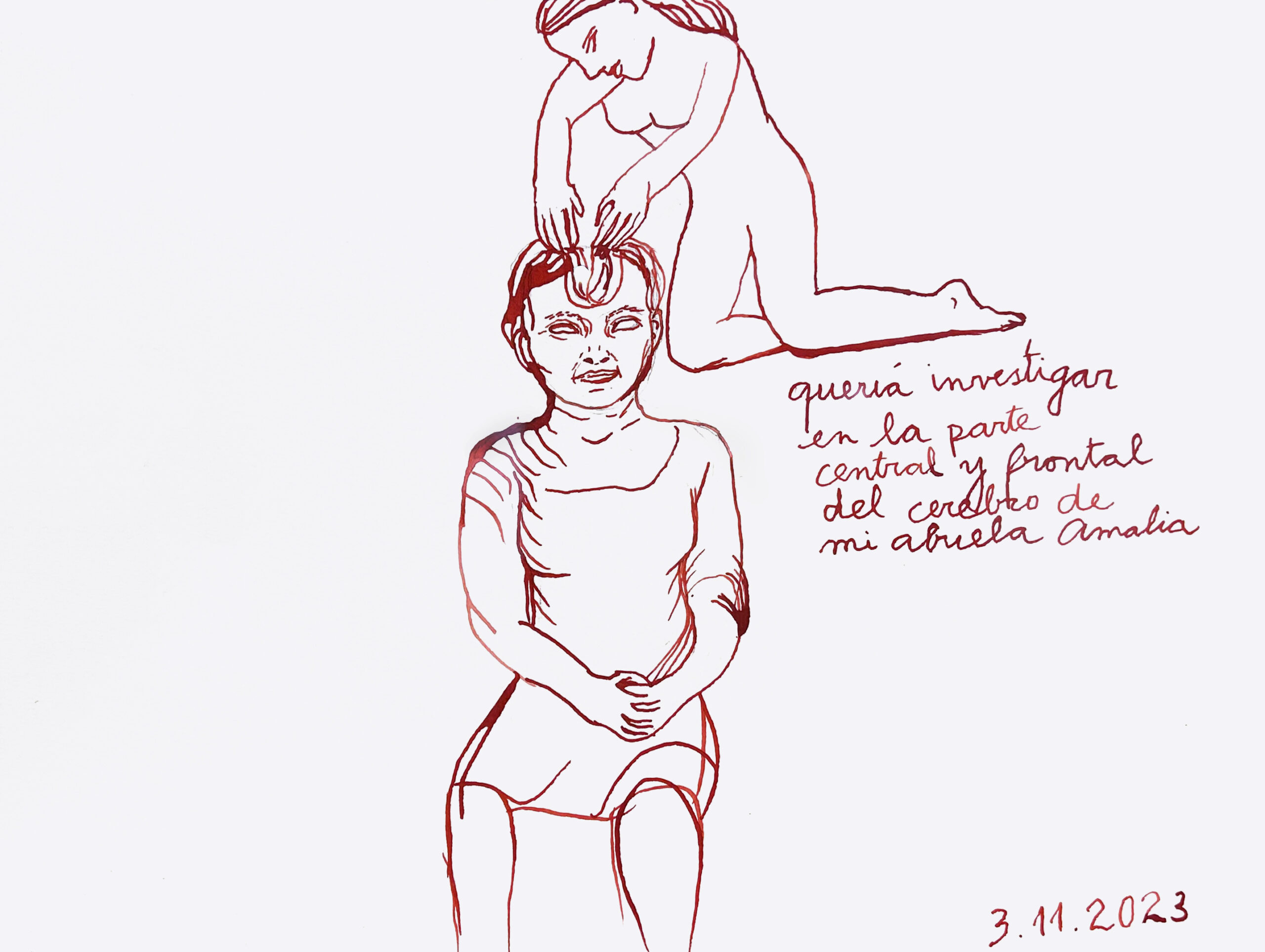
    During this performance, Marisa is momentarily blinded by the light of a slide projector, an imposed blindness that leads her to search within her memories. In that moment, she feels like a membrane of history, determined not to let go of certain values: solidarity among workers, remebering freedom fighters like Ahmed Ben Bella, and her humble grandfather Crisólogo Gatica, a Chilean communist who never used his political convictions to seize power for himself and who left these slides as heritage.
    The audience witnesses Marisa become a channel in an attempt to bring the past into the present.

  • Mal Terreno

    Helmhaus, Zürich
    22.05.2025, 7 pm 

    Title: Mal Terreno
    By: Marisa Cornejo
    Curated by: Nathalie Killias and Cristiana Contu
    Interpretation from Spanish into German by: Maricruz Peñaloza
    Exhibition: Passato Presente
    Venue: Helmhaus, Limmatquai 31, 8001 Zürich
    Date: 22.05.2025, 6.30 pm  

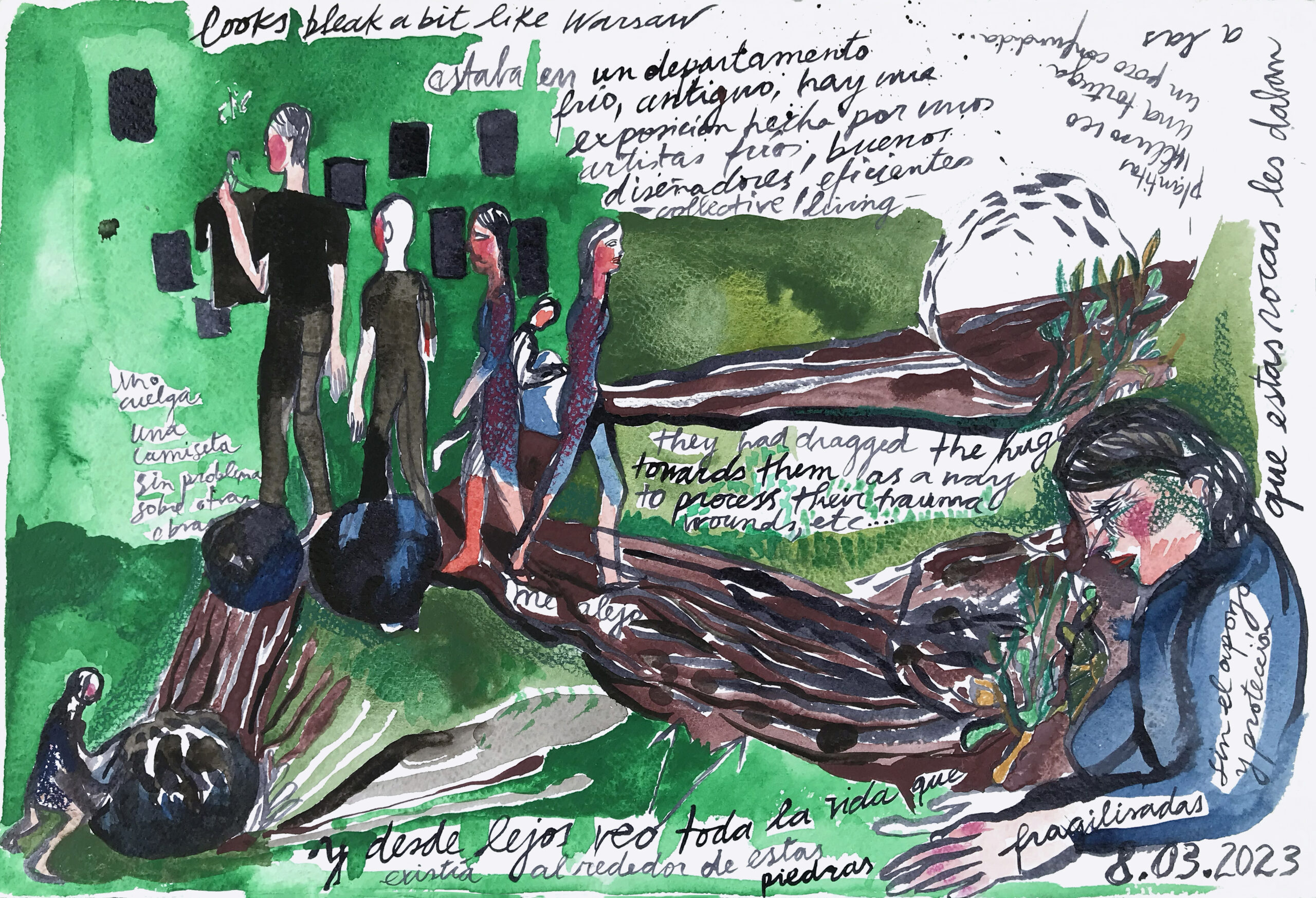
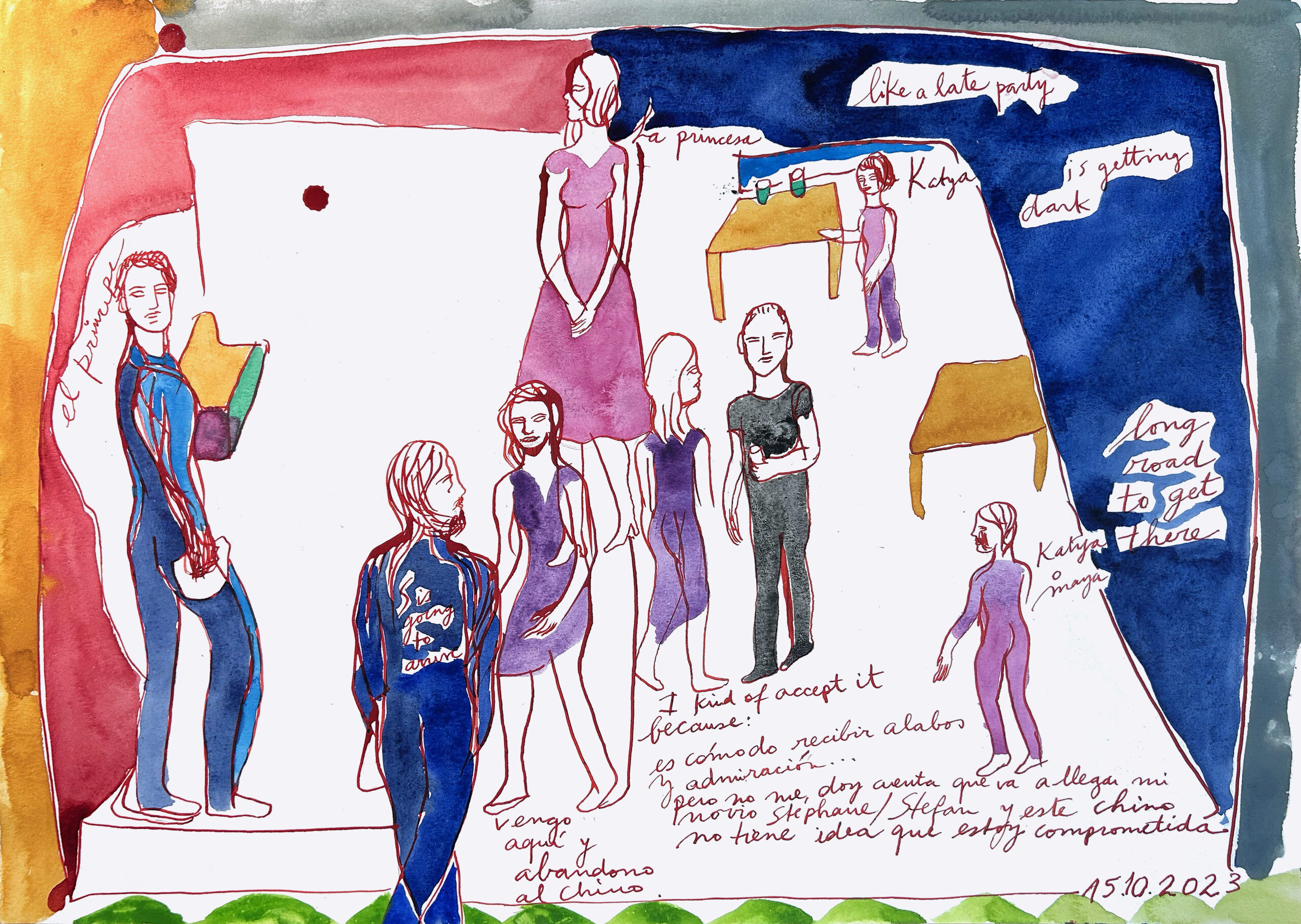
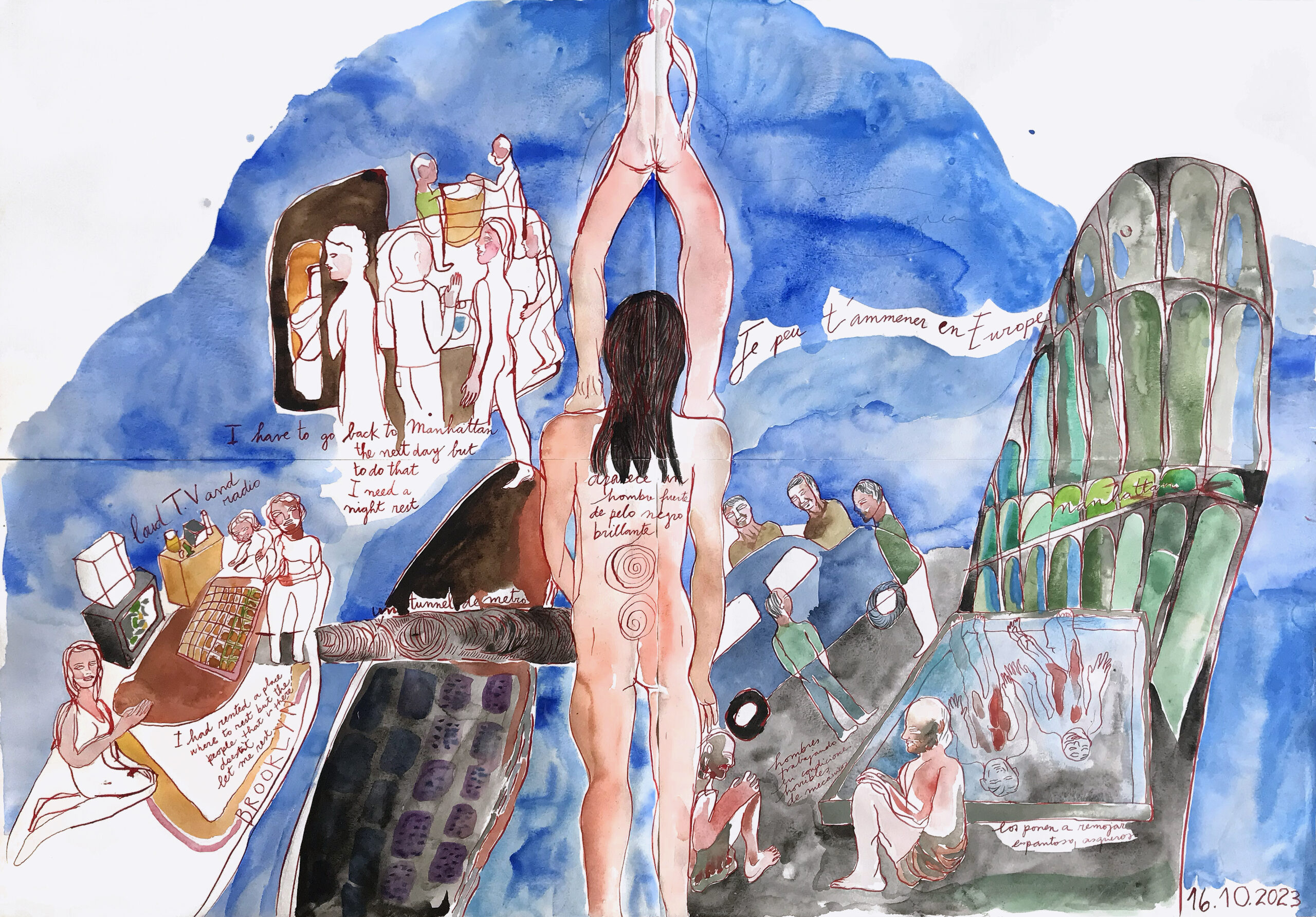
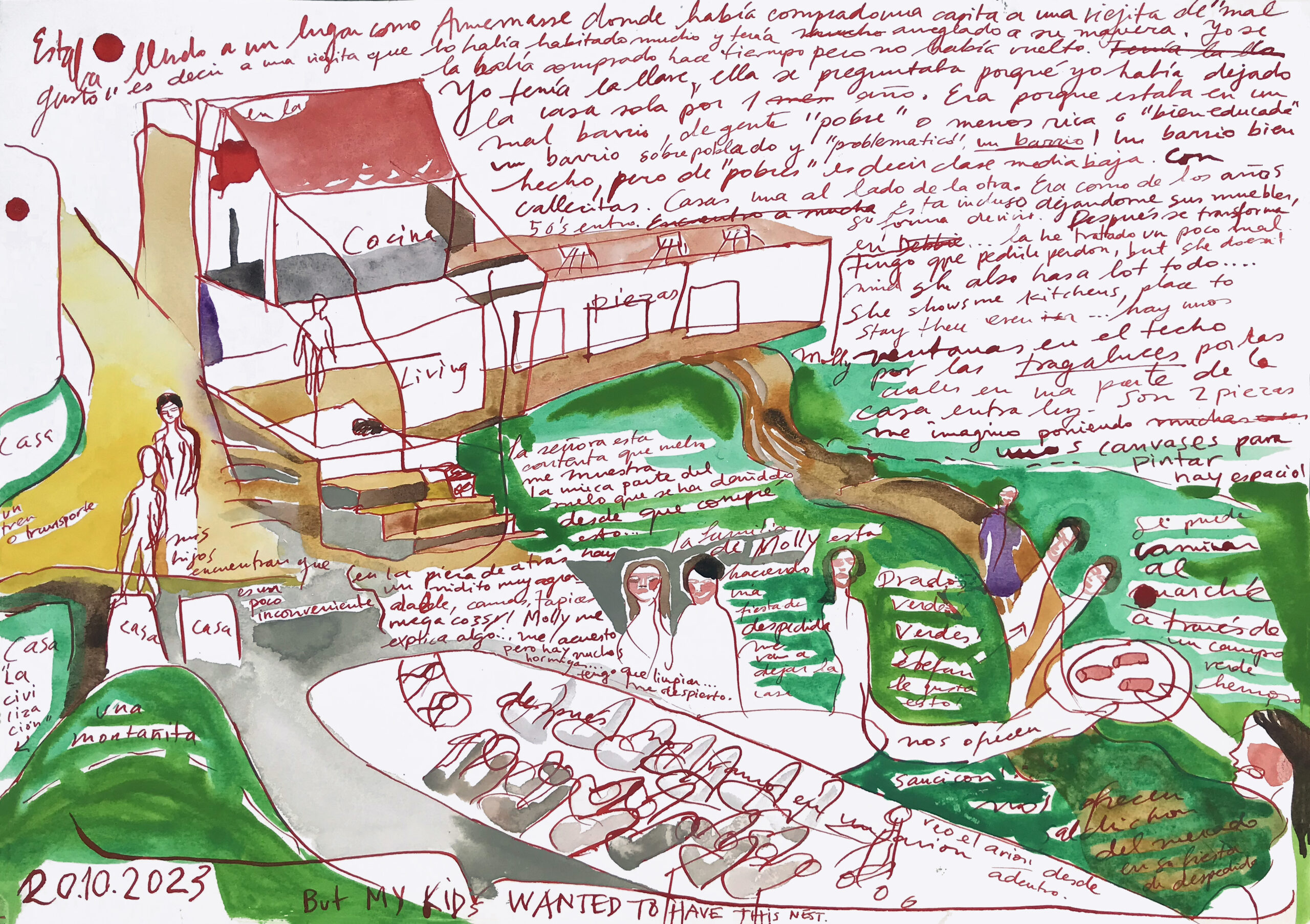
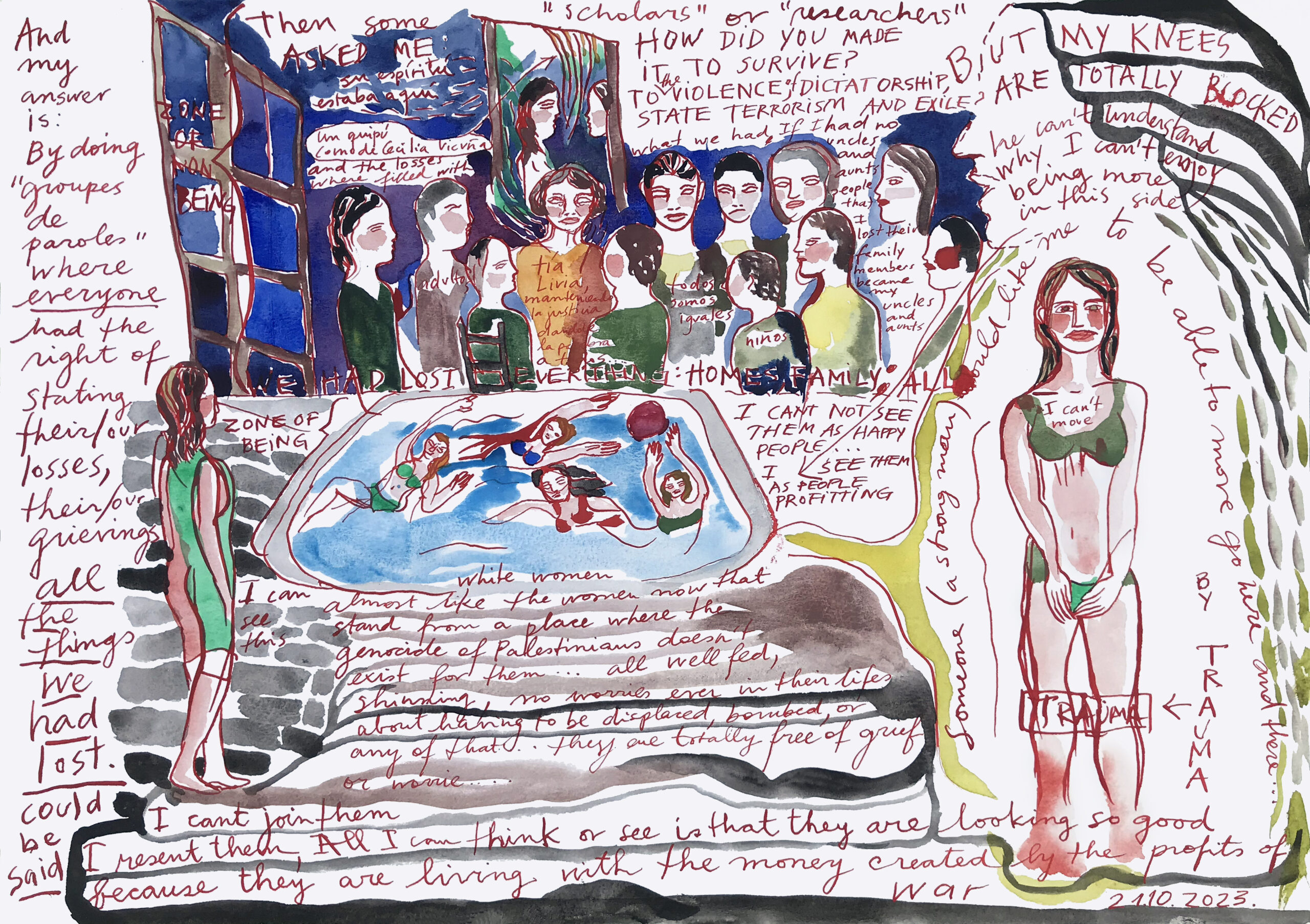
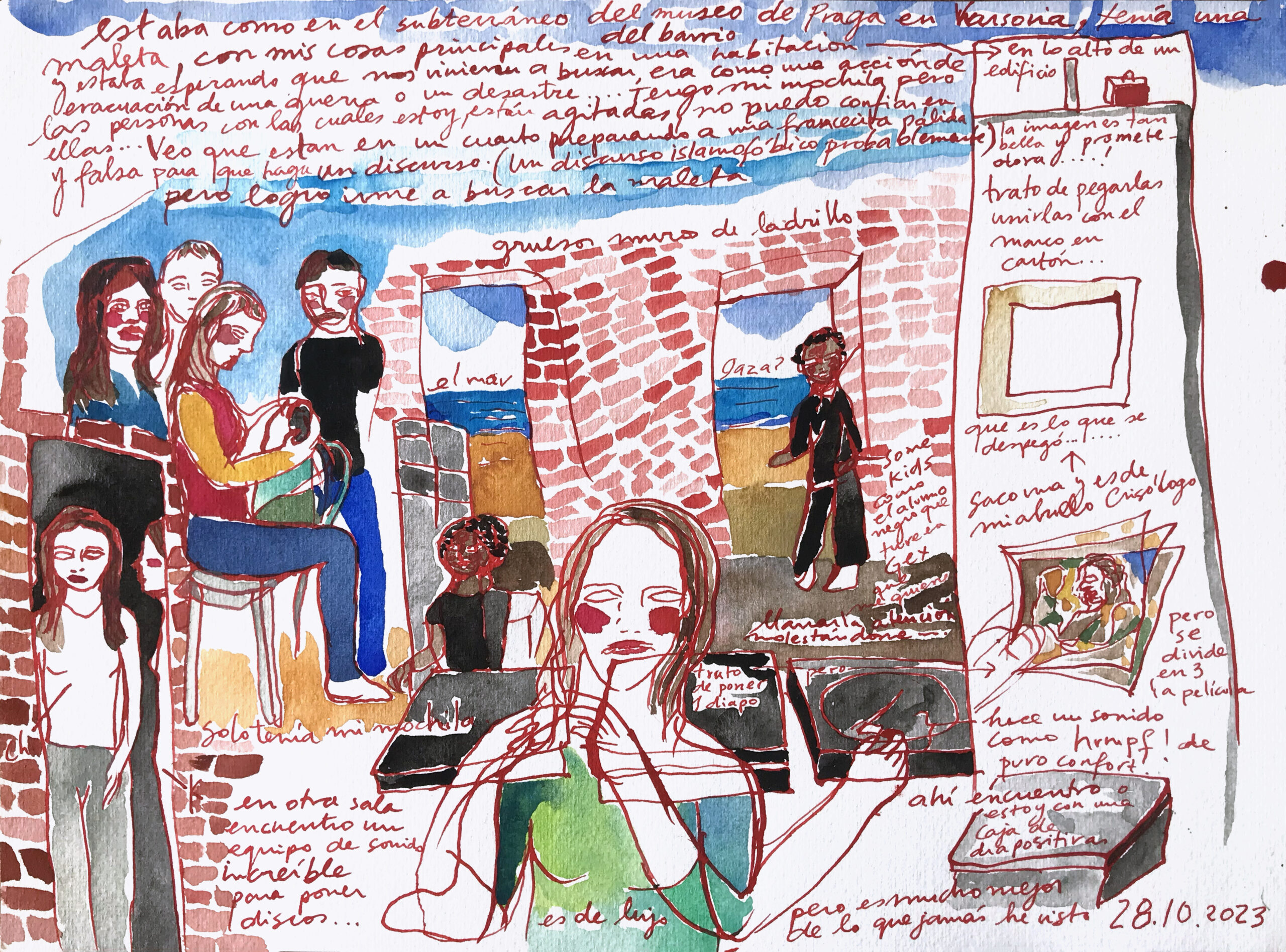
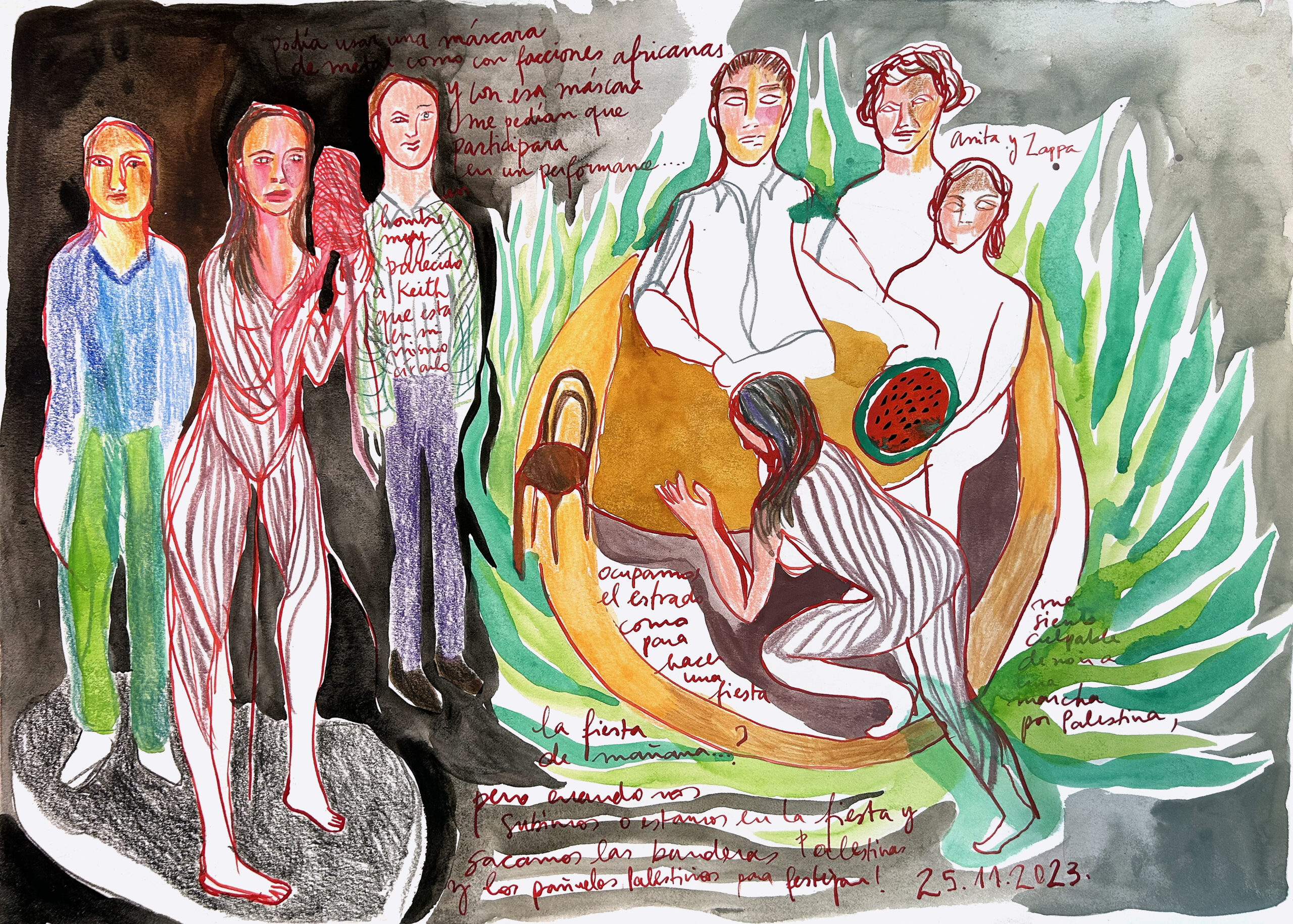
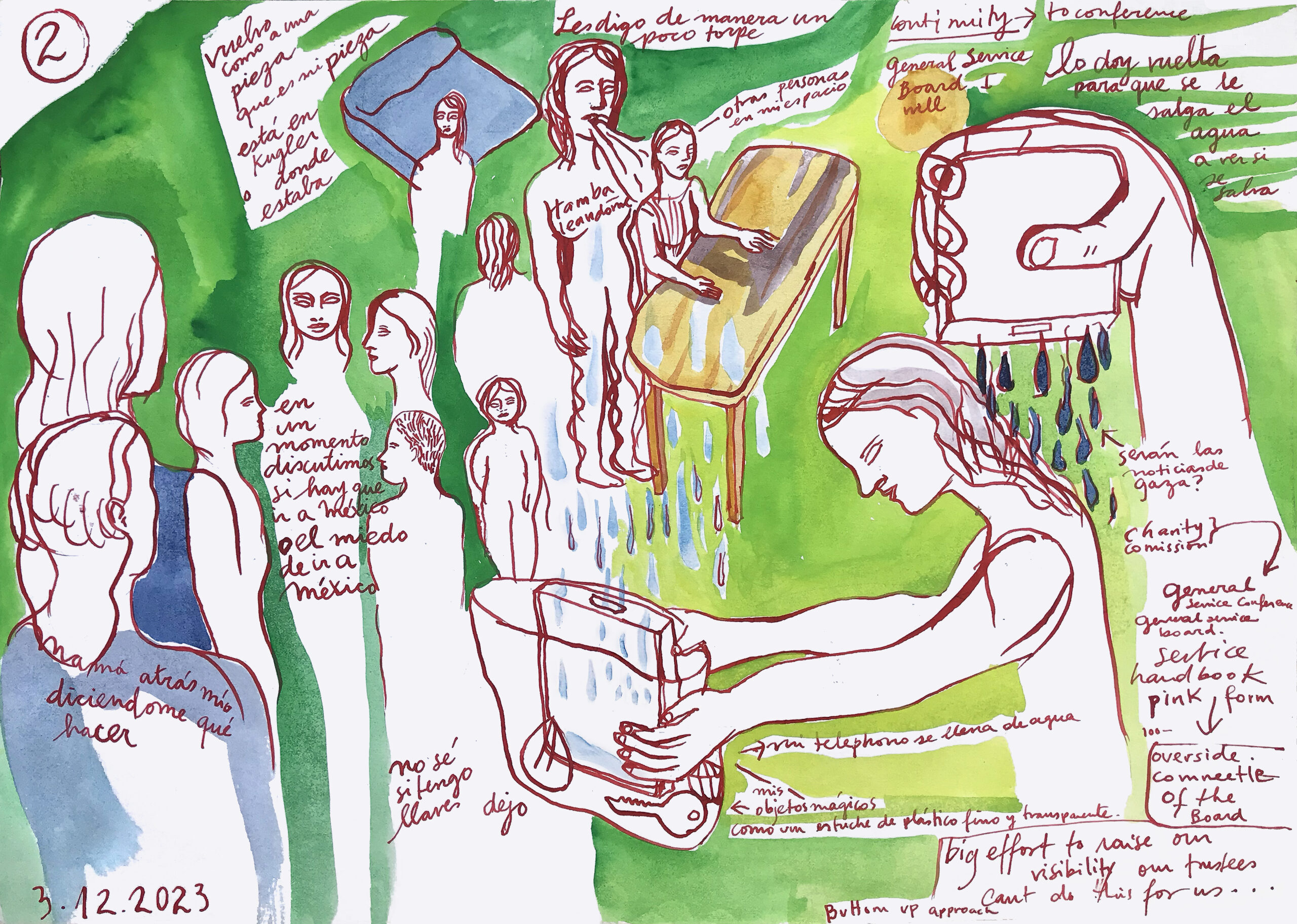
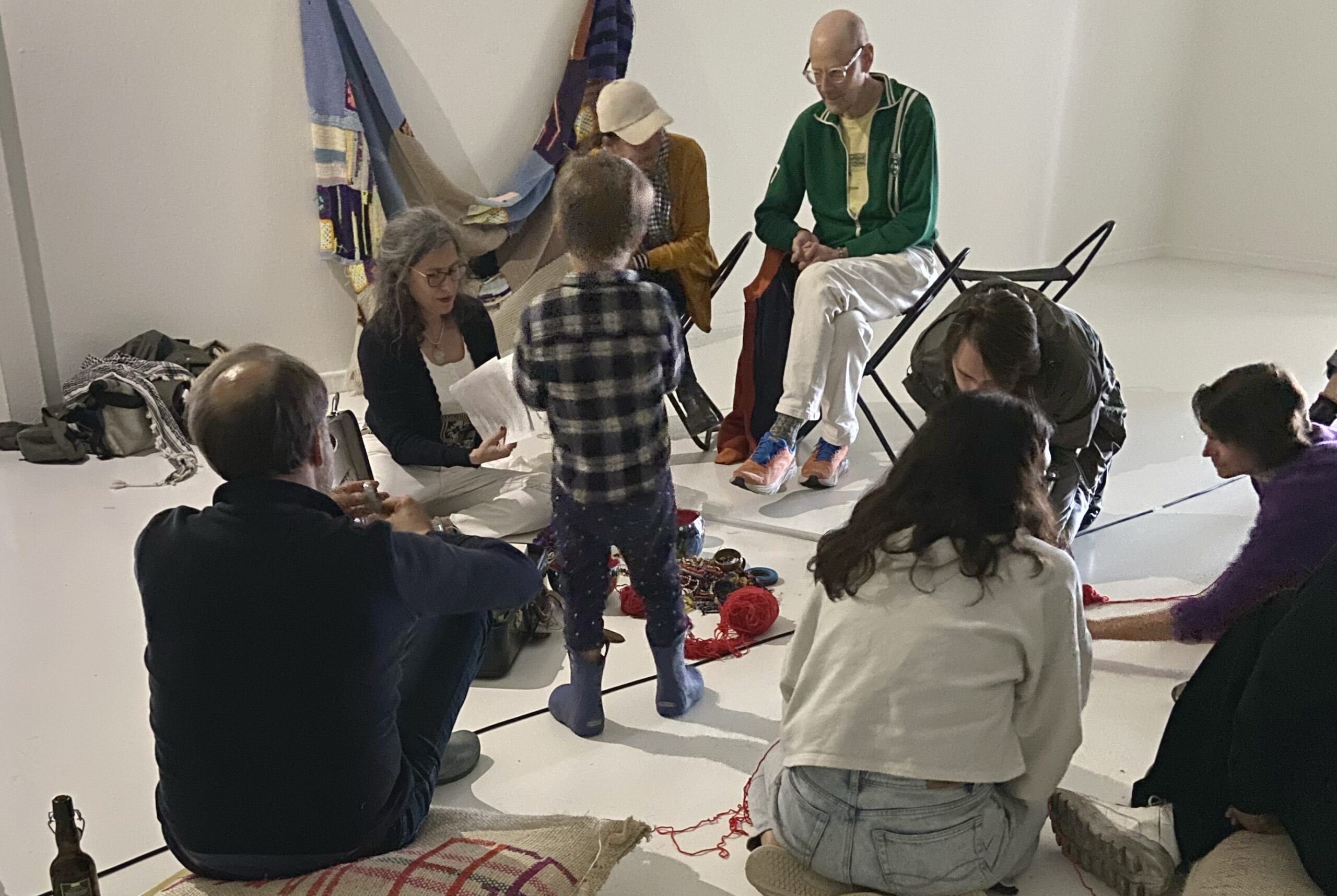
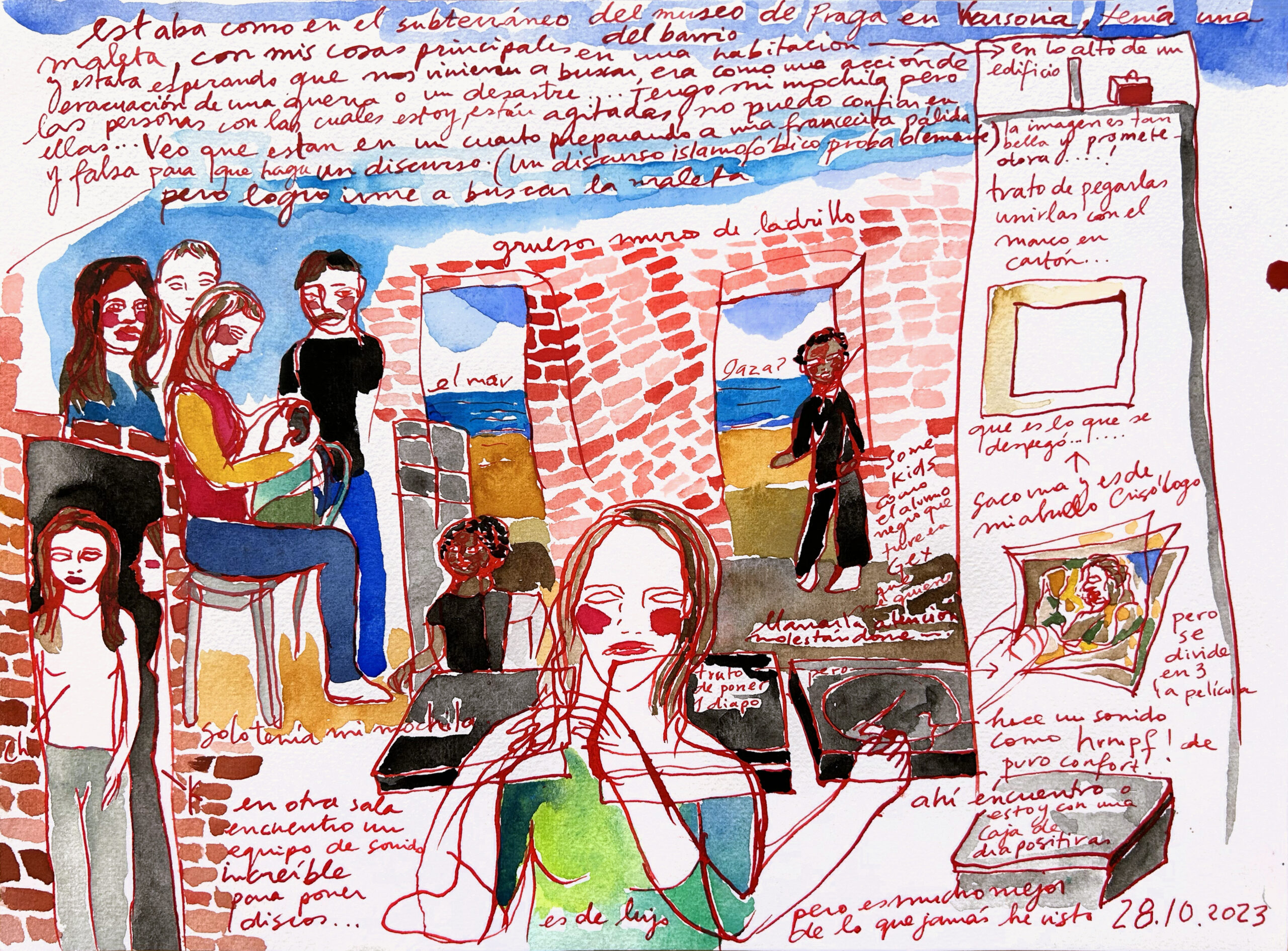
    Mal Terreno a été improvisé lorsque tout le Kreis 1 de Zurich a subi une coupure de courant généralisée à l’heure prévue de la performance Me vuelvo un guñelve. Ce moment a donné lieu à une conférence/performance basée sur une expérience et un texte intitulé Mal Terreno, consistant en un récit d’un séjour à Varsovie en octobre 2023 dans le cadre d’un workshop avec des artistes confrontés aux violences d’État, alors que circulaient les premières images de l’opération Épées de fer, menée par Israël dans la bande de Gaza.
    À ce récit se mêlaient des évocations du grand-père de l’artiste, Crisológo Gatica, militant communiste chilien ayant arpenté l’Europe de la Guerre froide afin de construire une coopération transnationale.
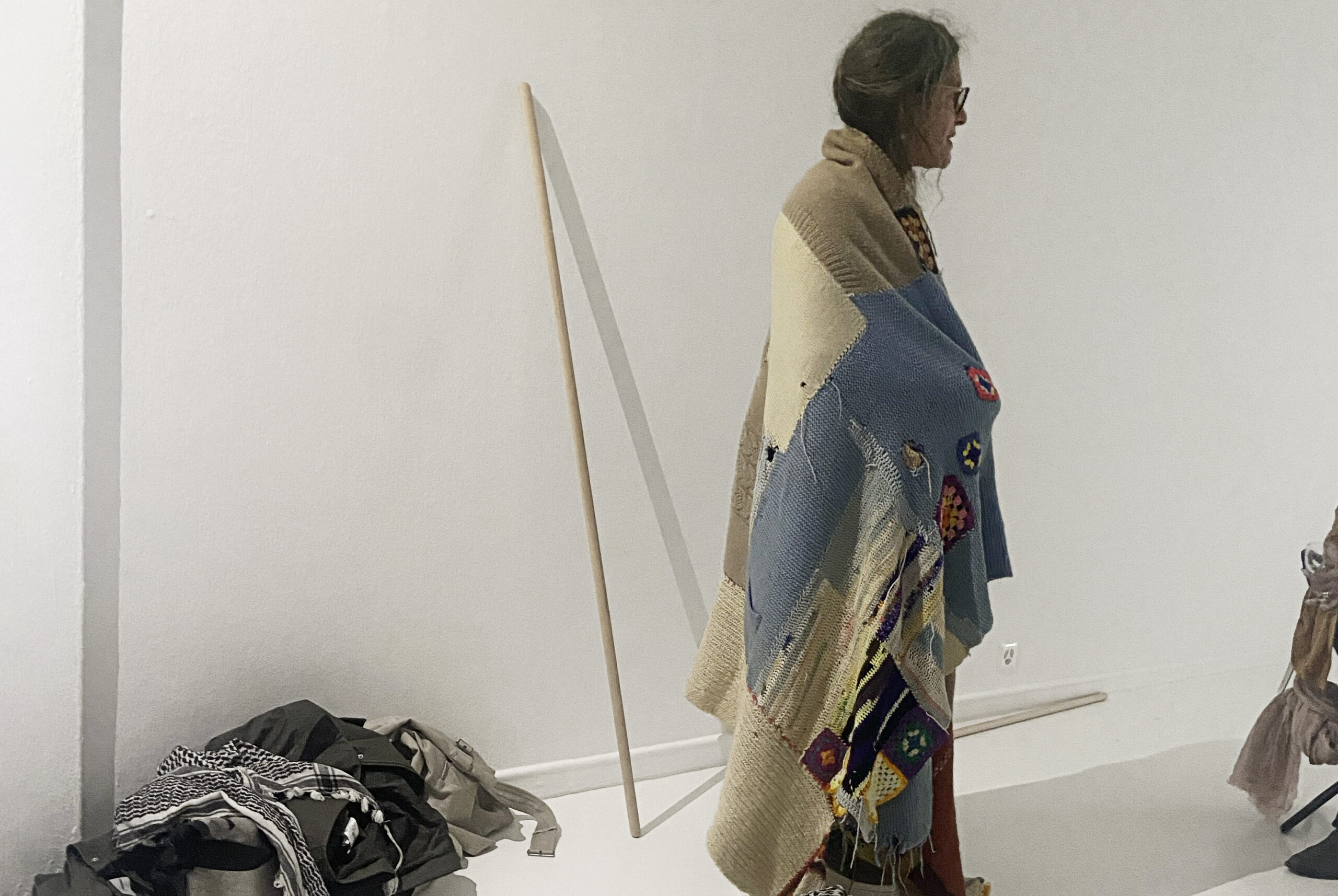
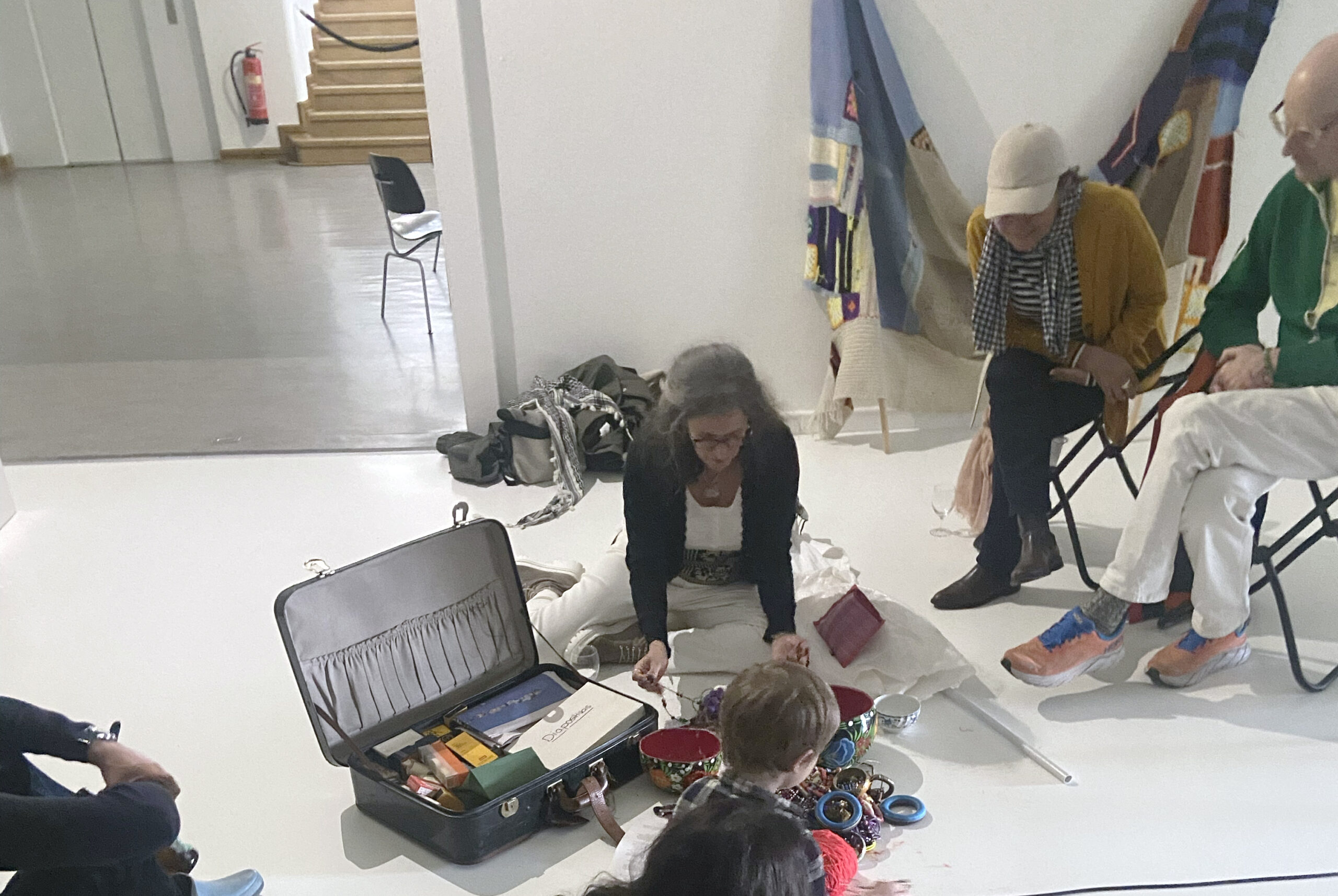
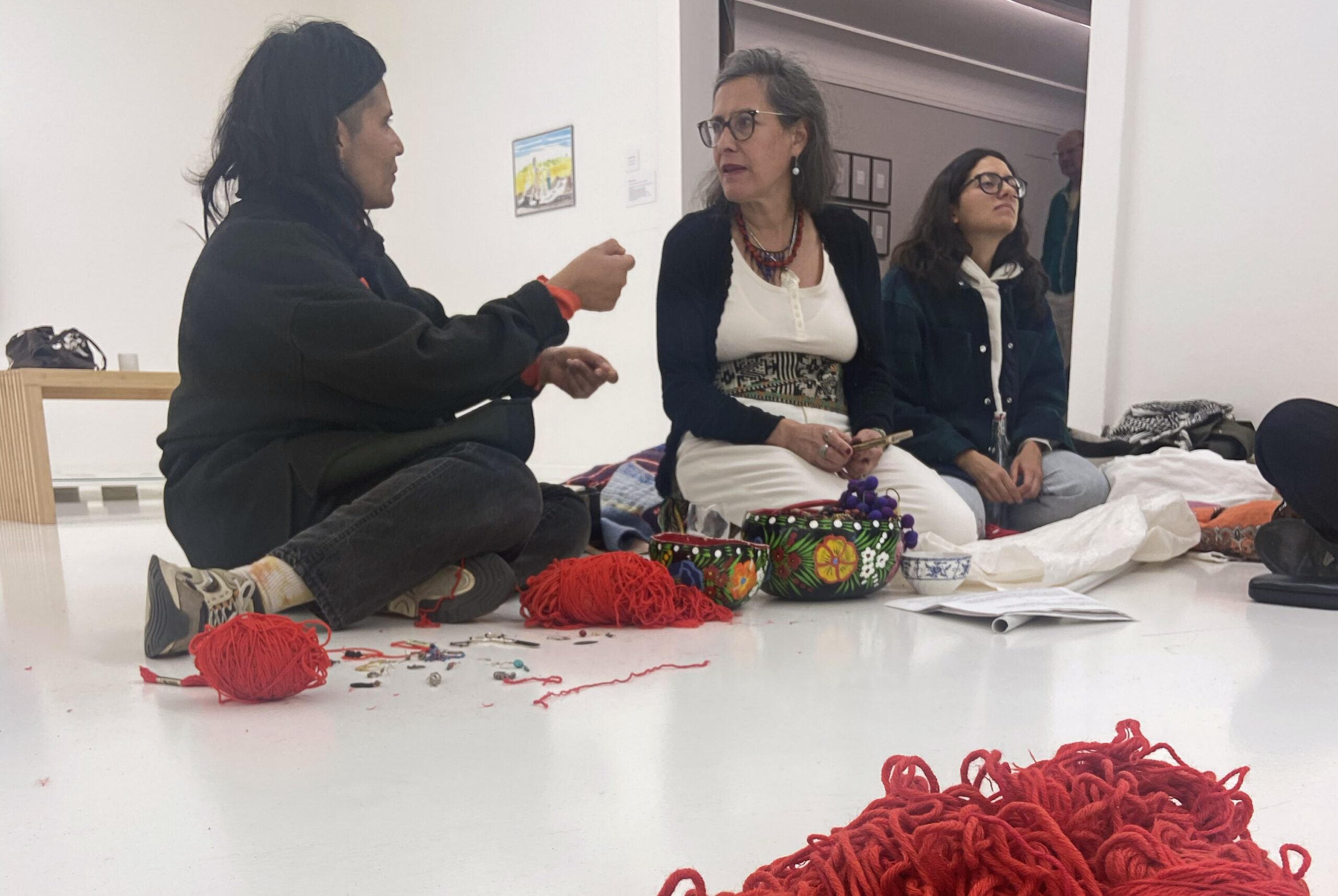
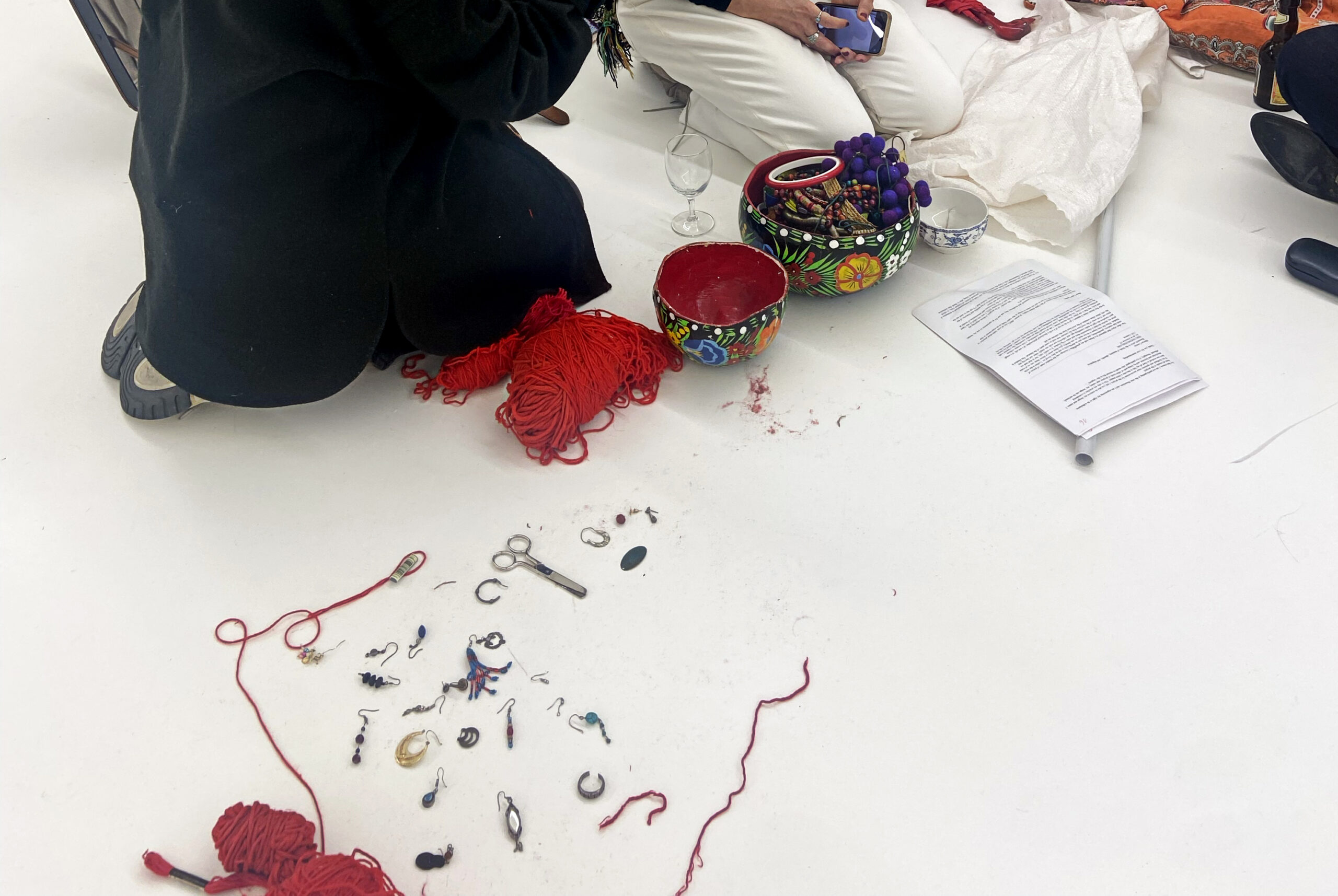
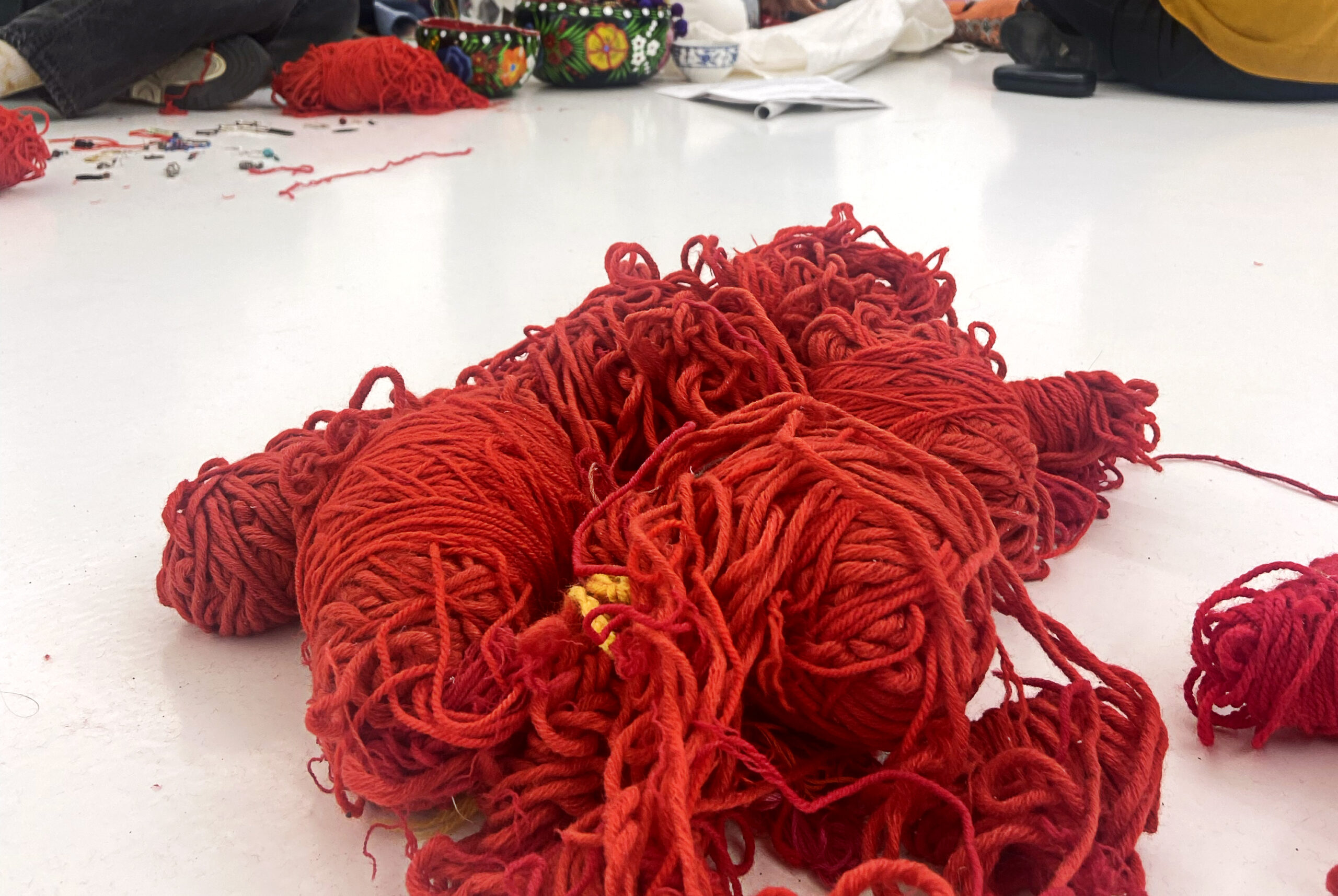
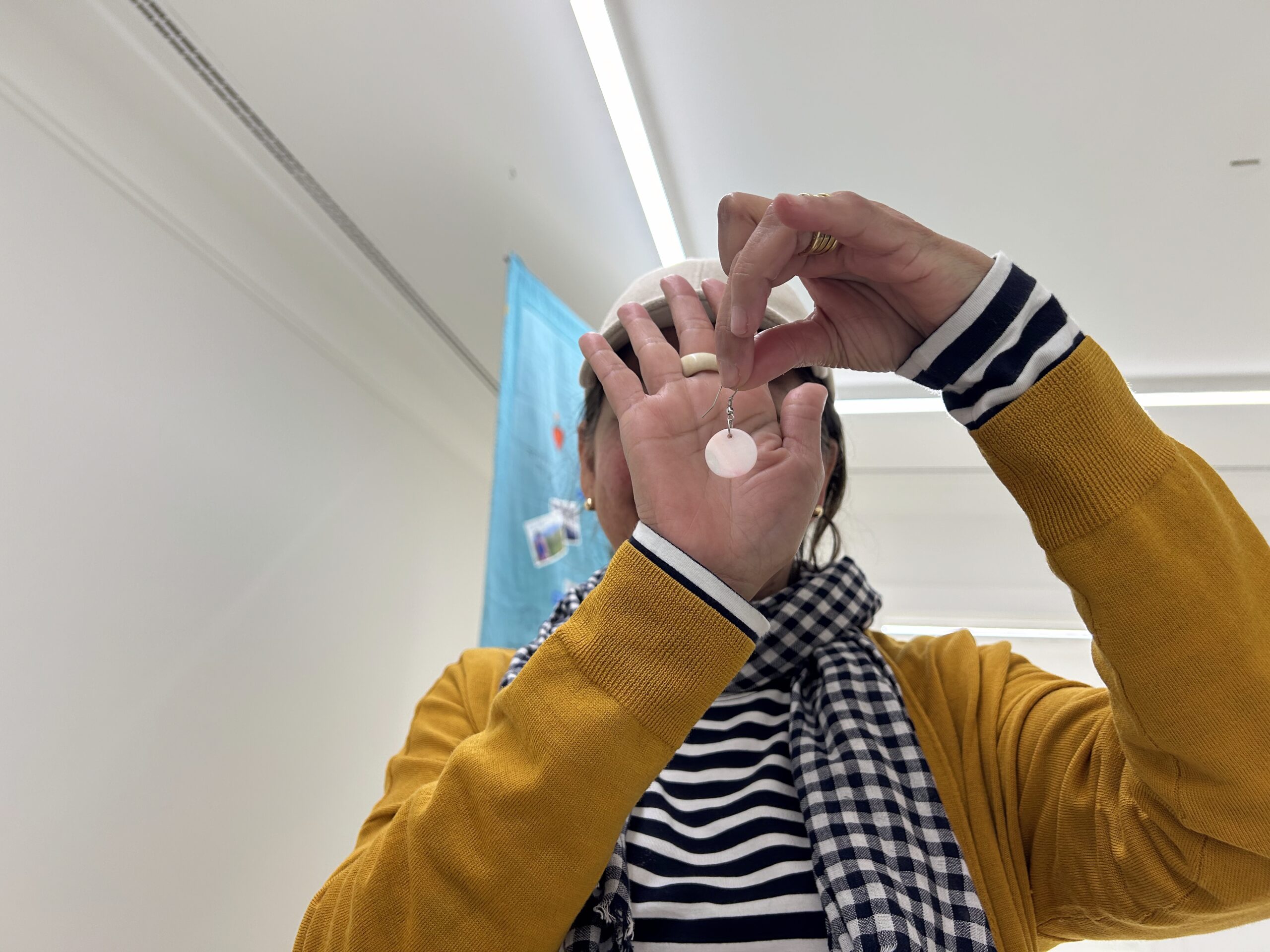
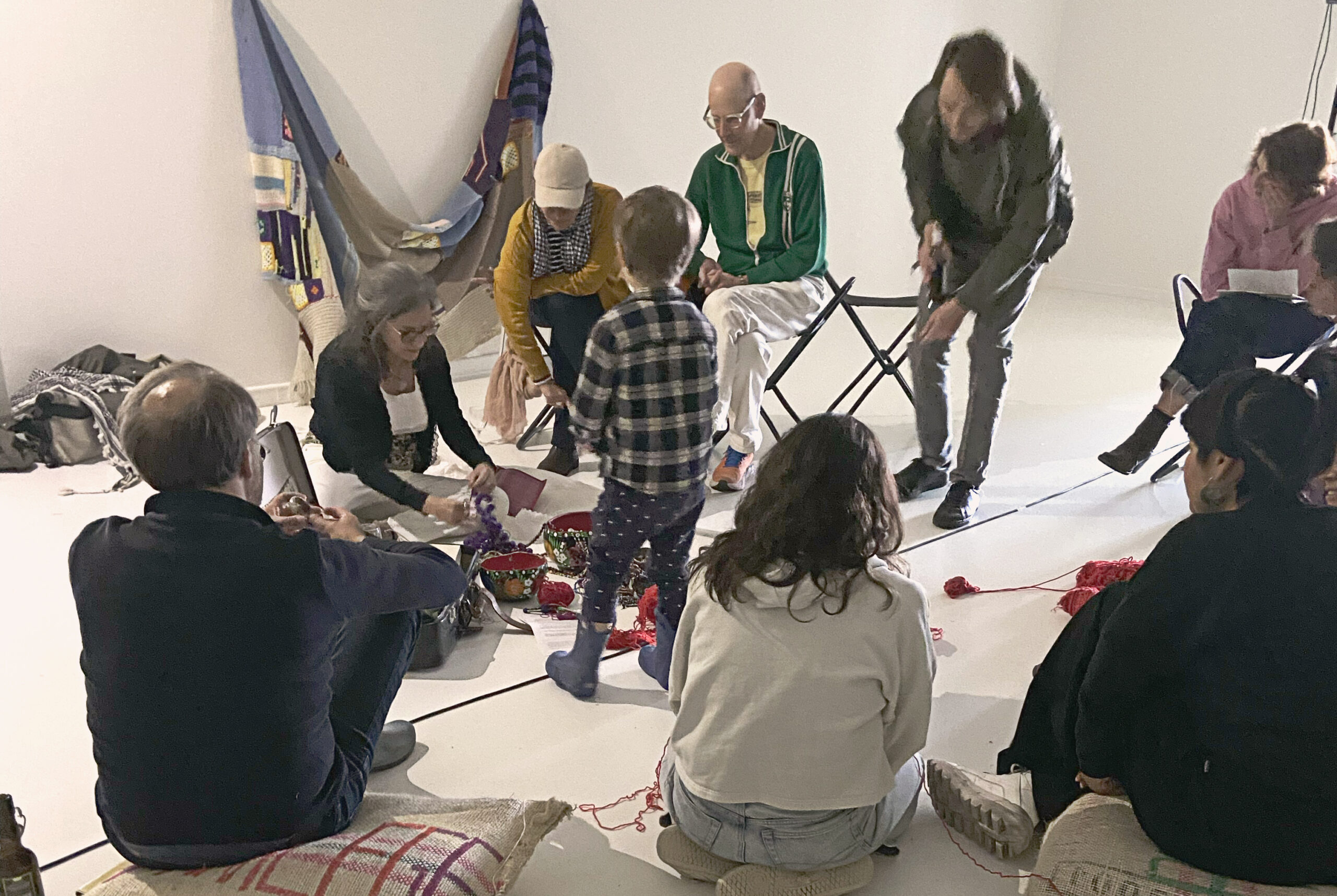
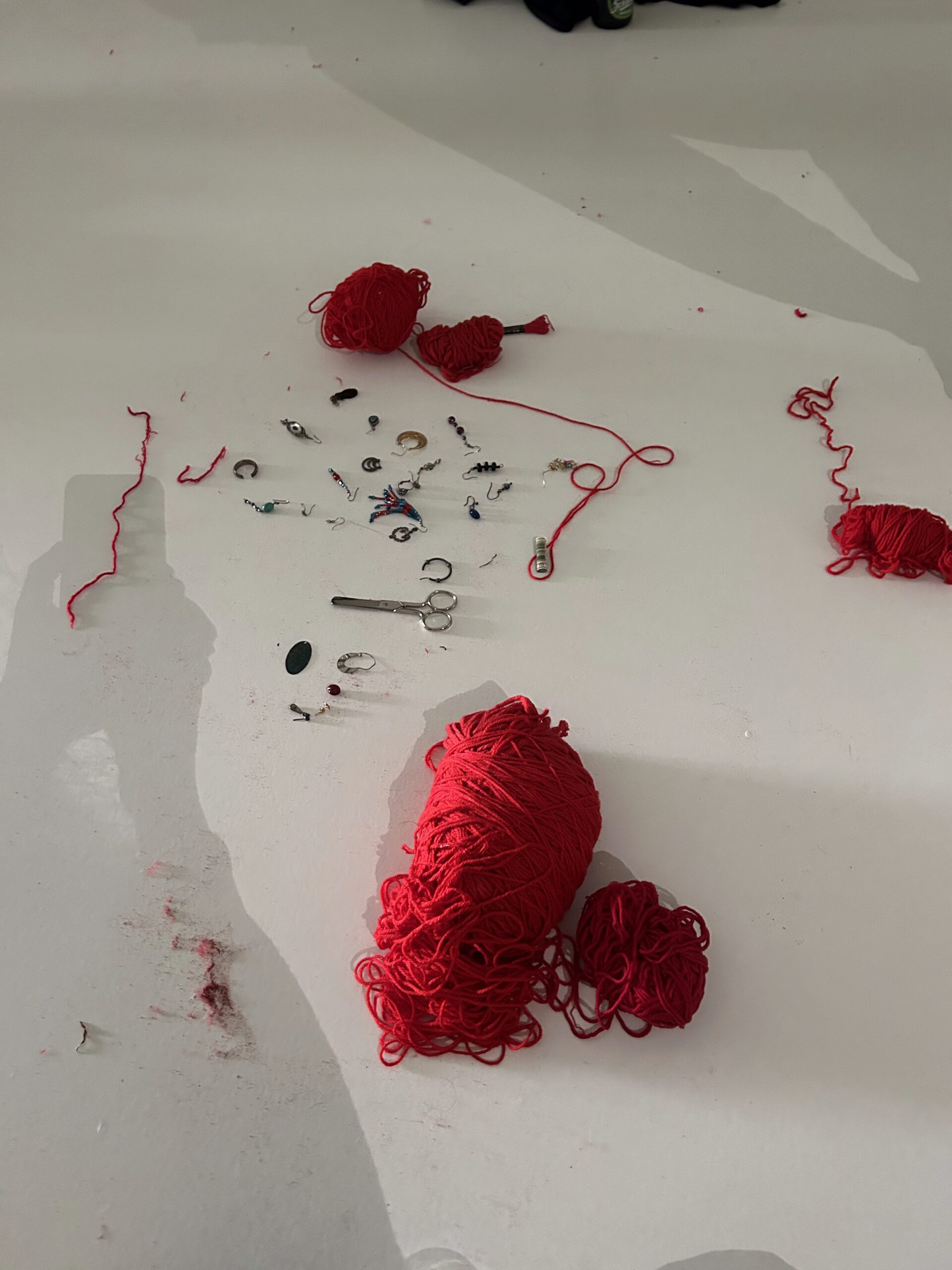
    Faisait également partie de la performance le contenu d’un sac de voyage contenant quilts, bijoux et pelotes de laine, utilisés comme objets de dialogue transgénérationnel et d’empouvoirement.
    Le récit en espagnol a été interprété en allemand par Maricruz Peñaloza et a été suivi d’une conversation. Le courant a été rétabli trois minutes après la fin de la performance.

    Mal Terreno was improvised when the entire Kreis 1 district of Zurich experienced a major power outage at the scheduled time of the performance Me vuelvo un guñelve.
    This unexpected moment gave rise to a lecture-performance based on an experience and a text entitled Mal Terreno, recounting a stay in Warsaw in October 2023 during a workshop with artists facing state violence, at a time when the first images of Israel’s Operation Iron Swords in the Gaza Strip were beginning to circulate.
    The narrative intertwined with memories of the artist’s grandfather, Crisológo Gatica, a Chilean communist activist who frequently traveled to Cold War–era Europe to foster transnational cooperation.
    The performance also featured the contents of a travel bag—quilts, jewelry, and balls of yarn—used as objects of transgenerational dialogue and empowerment.
    The Spanish narrative was interpreted into German by Maricruz Peñaloza and was followed by a conversation. Power was restored three minutes after the end of the performance.

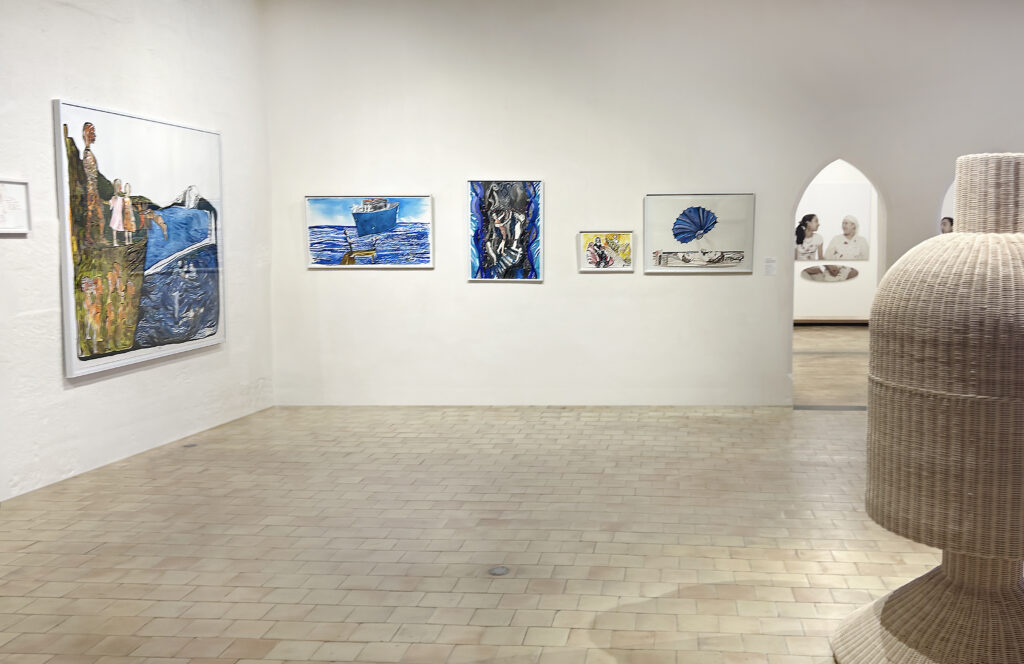
  • Passato Presente

    Helmhaus, Zürich
    11.04–09.06.2025 

    Title: Passato Presente
    With: Marisa Cornejo, Pascale Eiberle, Esther Ernst,
    Mark Formanek, Michel Gilgen, Johanna Müller,
    Jos Näpflin, Lea Schaffner, Jonathan Steiger, Sabine Troendle,
    Franz Wanner, Olivia Wiederkehr, Uwe Wittwer
    Curated by: Nathalie Killias and Cristiana Contu
    Venue: Helmhaus, Limmatquai 31, 8001 Zürich
    Dates: 11.04–09.06.2025 

    An exhibition that seeks the past in the present

    The past cleaves to the present, as the title of this exhibition describes: [il] passato [è] presente.As Augustine of Hippo remarked 1500 years ago, there is no past as such, only ‘a present of things past’ as perceived by the mind. The past accompanies us as memory, because according to Novalis ‘all remembrance is the present’.

    Memories can be vivid or fleeting, enduring or ephemeral, painful or imagined. Our lives are shaped by personal experience, but also by events that have entered the collective memory. The works by thirteen artists exhibited here sound out both the scope and the limits of remembrance. They address those traumatic experiences that sear our souls like sheets of paper. They define the whiff of suffering that surrounds us like an invisible veil, or they visualise the simultaneity of absence and presence. Even the yearning for the ‘good old days’ and for nostalgia itself is here reworked as art.

    The exhibition is an invitation to ponder the many different ways in which we preserve the past – or detach ourselves from it.

    Webpage