• Dossier sans suite

    Standard/Deluxe, Lausanne
    22.–30.11.2008

    Artist: Marisa Cornejo 
    Curated by: Luz Muñoz and Tilo Steireif
    Documentation: Virginie Otth, Christophe Jacquemet
    Venue: Standard/Deluxe, Lausanne, Switzerland
    Dates: 22.–30.11.2008
    Support: FONDART (Gobierno de Chile)

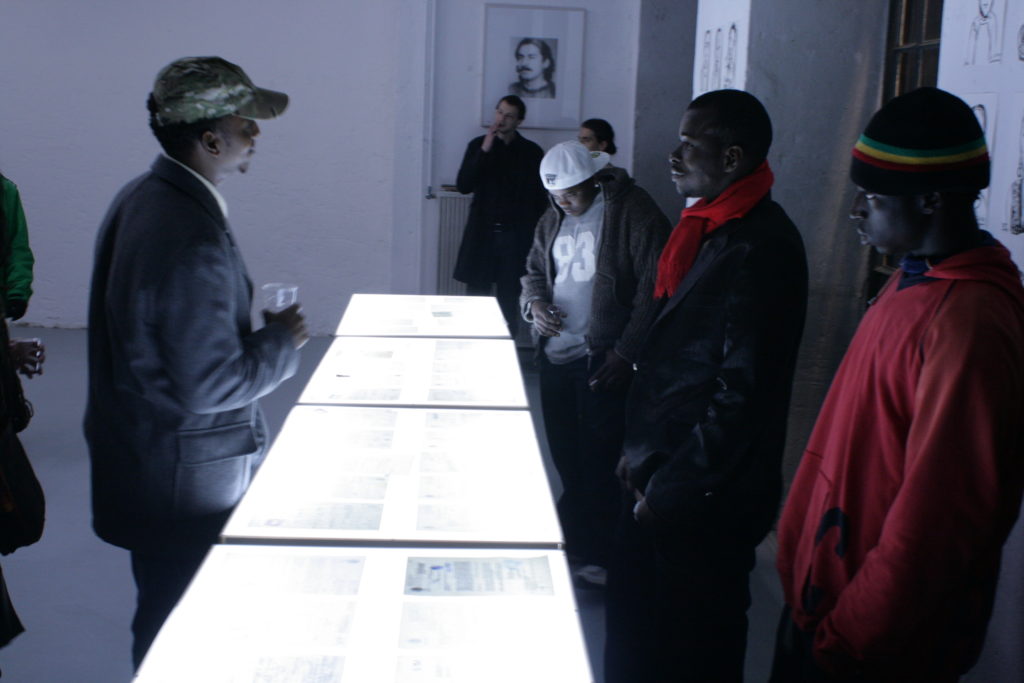
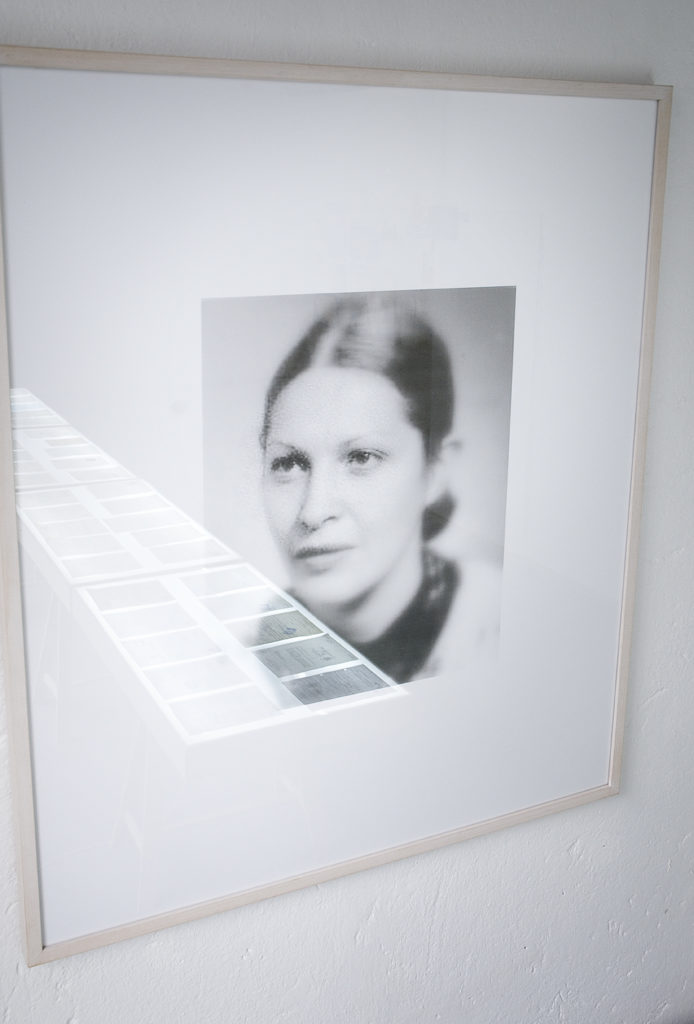
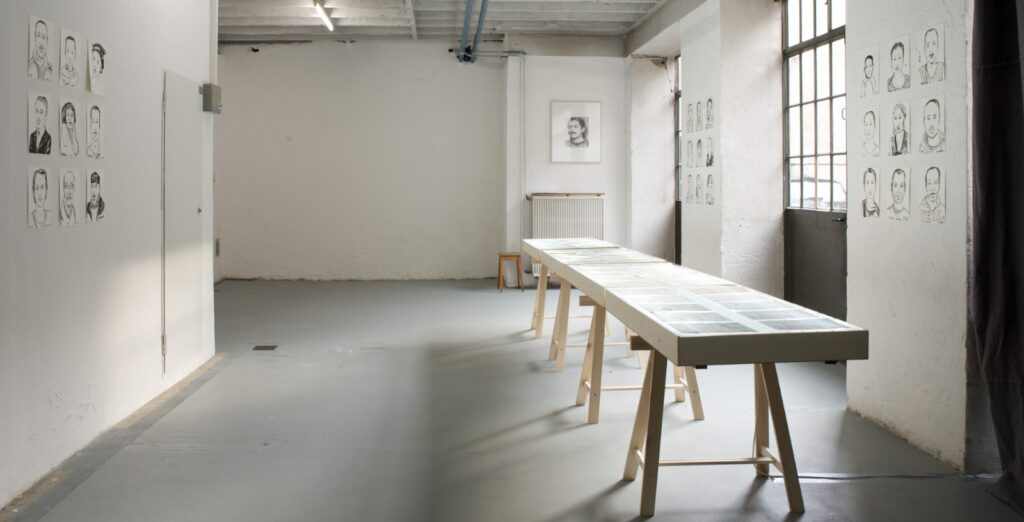
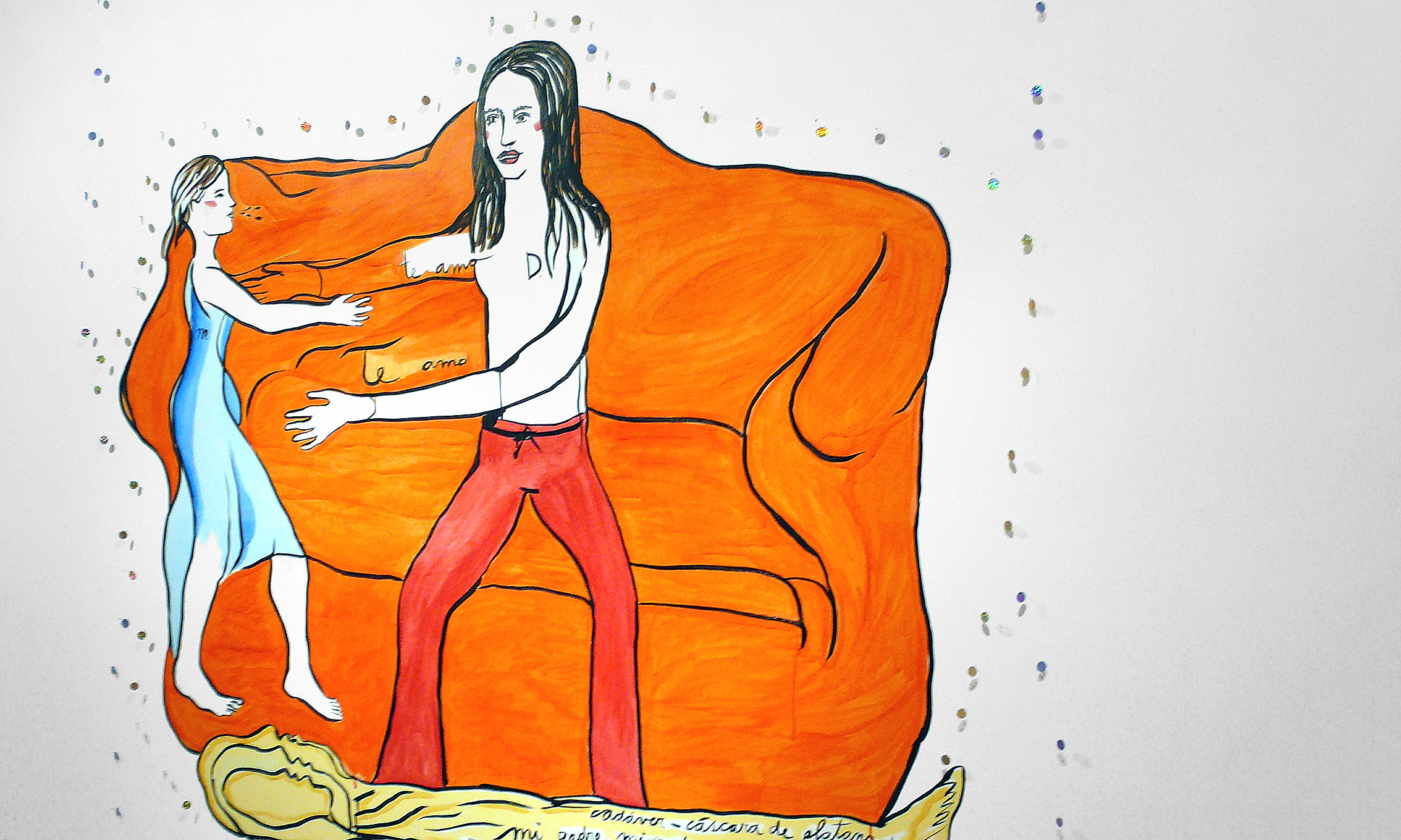
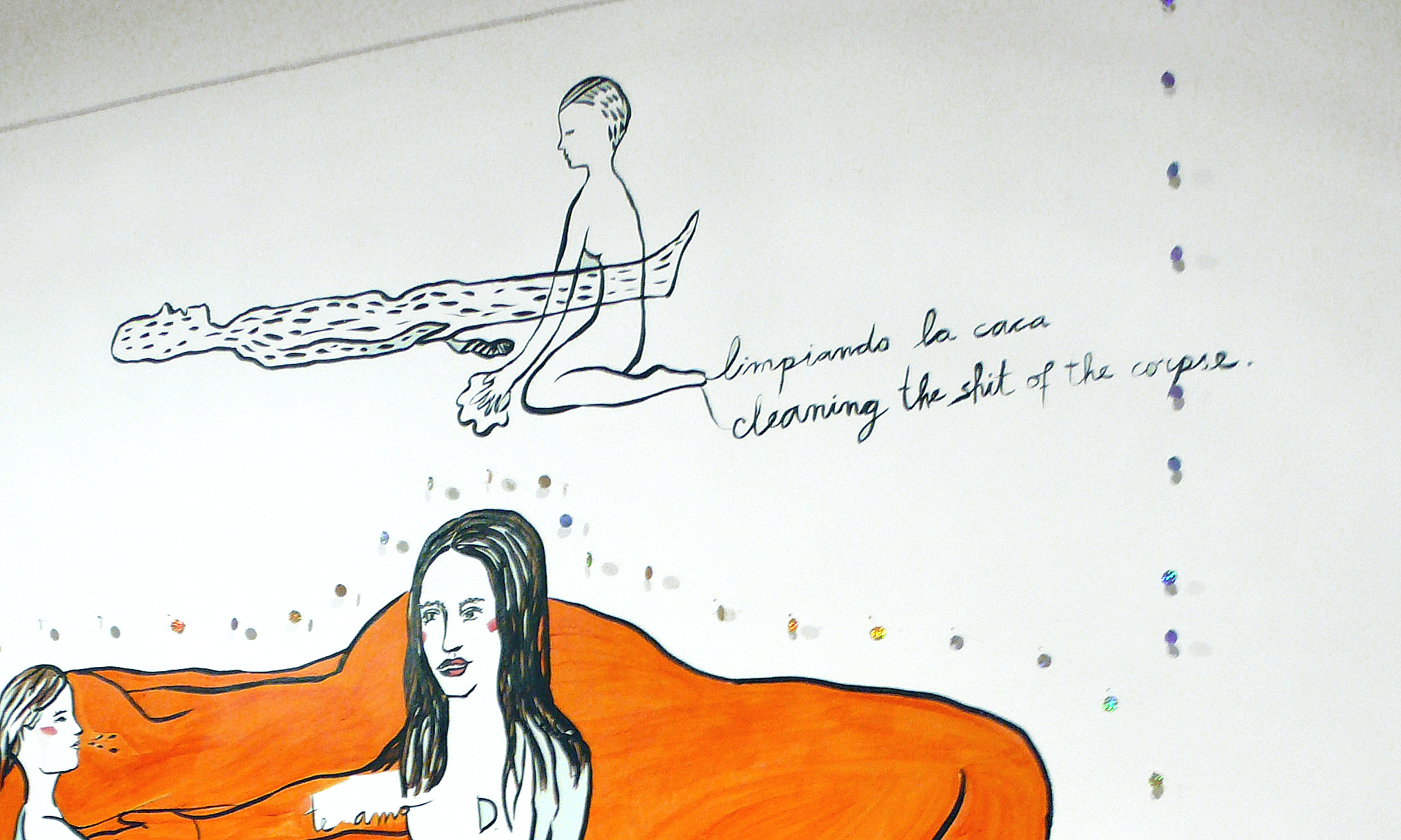
    Cette exposition porte un regard sur la question de l’asile politique des années 1970 à aujourd’hui. L’artiste-plasticienne Marisa Cornejo (Chili) dévoile le «dossier sans suite» constitué de la correspondance entre son père qui fuit la dictature de A. Pinochet en 1973 et les pays d’accueil. Son père qui jusqu’à sa mort a gardé l’ensemble des documents qui témoignent du labyrinthe bureaucratique que traversent les réfugiés lorsqu’ils ne sont pas reconnus officiellement en tant que tel.
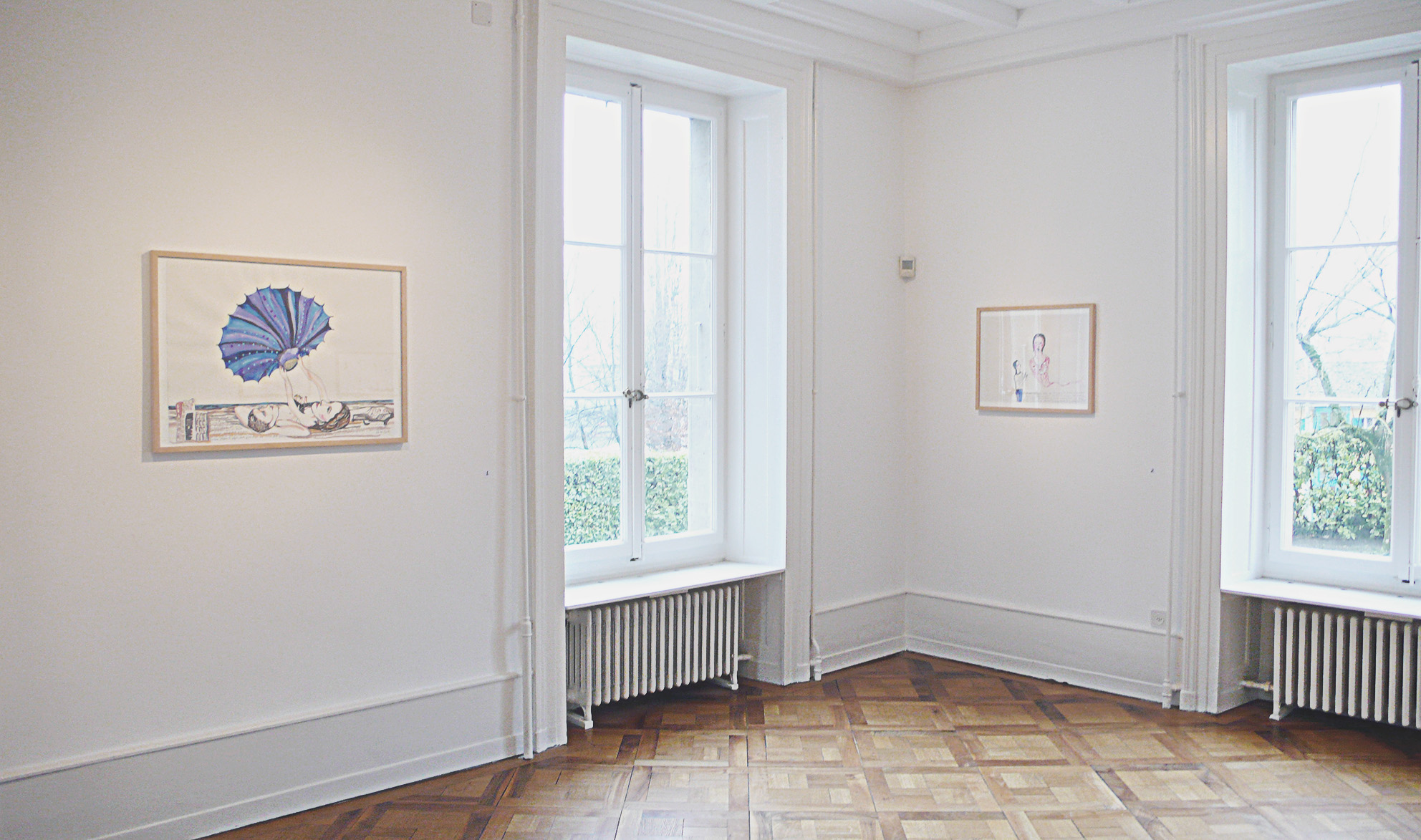
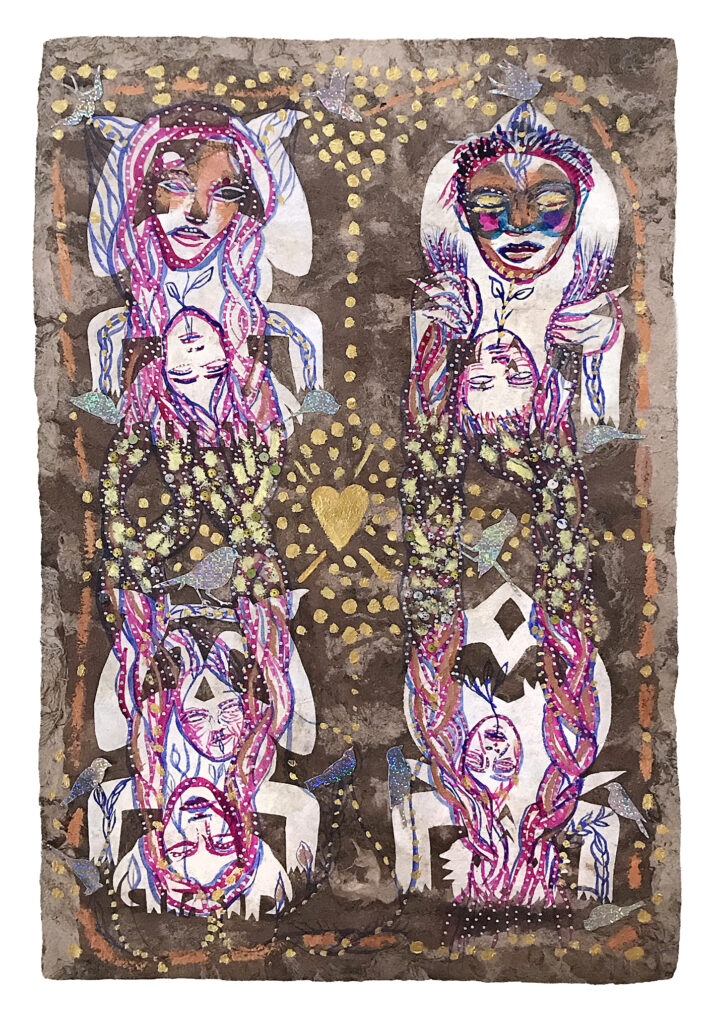
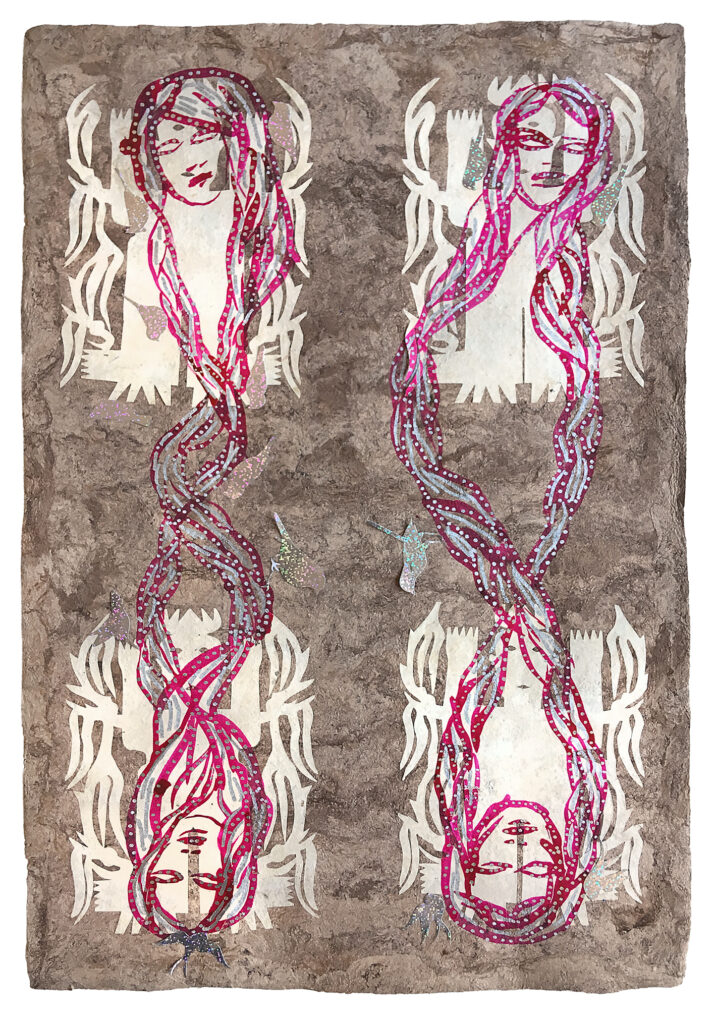
    A Standard/deluxe Marisa Cornejo présente une série de portraits (dessins à la plume), des fragments de témoignages de personnes qui actuellement sont dans une situation similaire et les archives de son père. Elle a pris contact avec une trentaine de personnes rencontrées au foyer d’urgence et au point d’appui à Lausanne, ainsi qu’à l’Agora à Genève. Son travail d’artiste évoque la complexité de ces situations dans une époque où les lois et le système administratif sont devenus de plus en plus intolérants vis-à-vis des réfugiés.

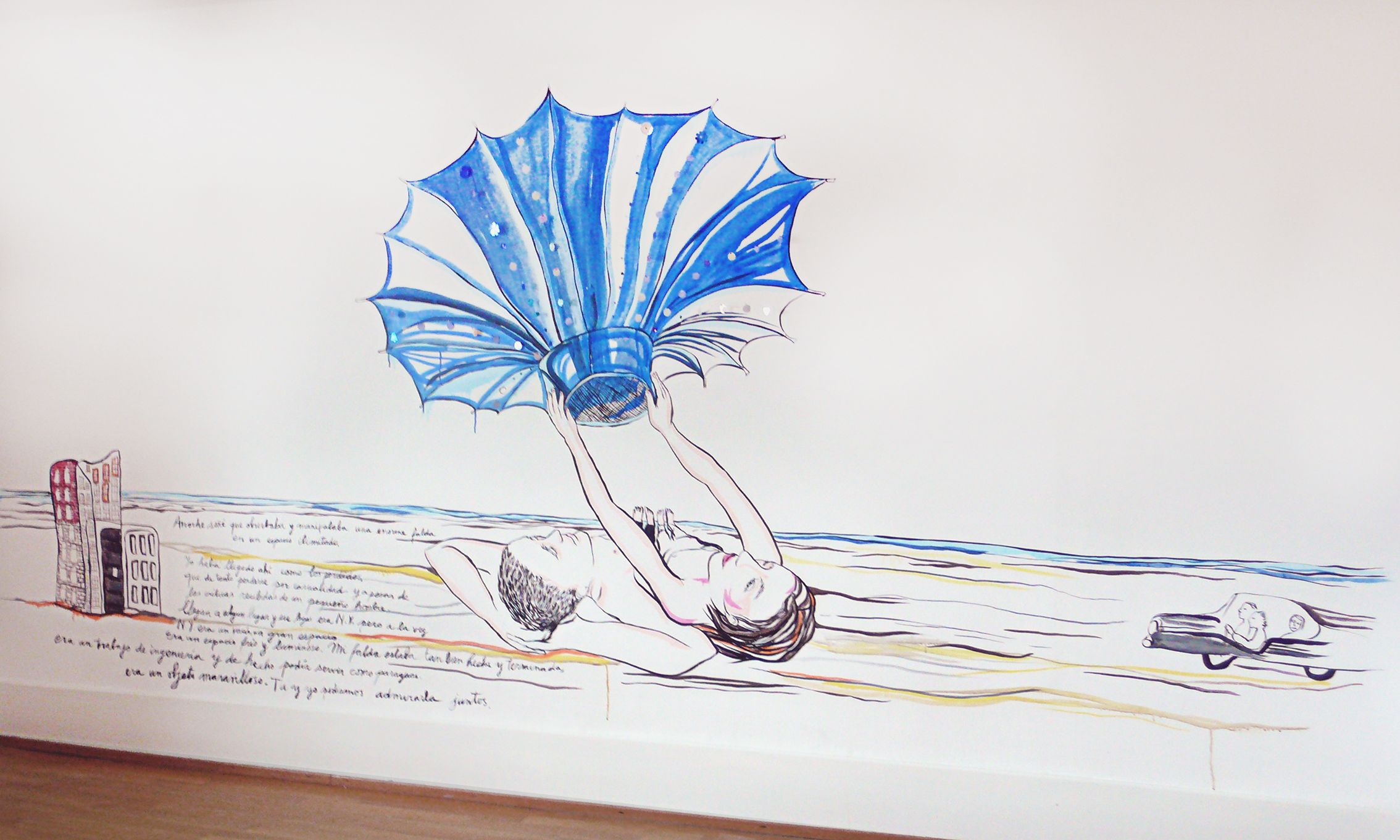
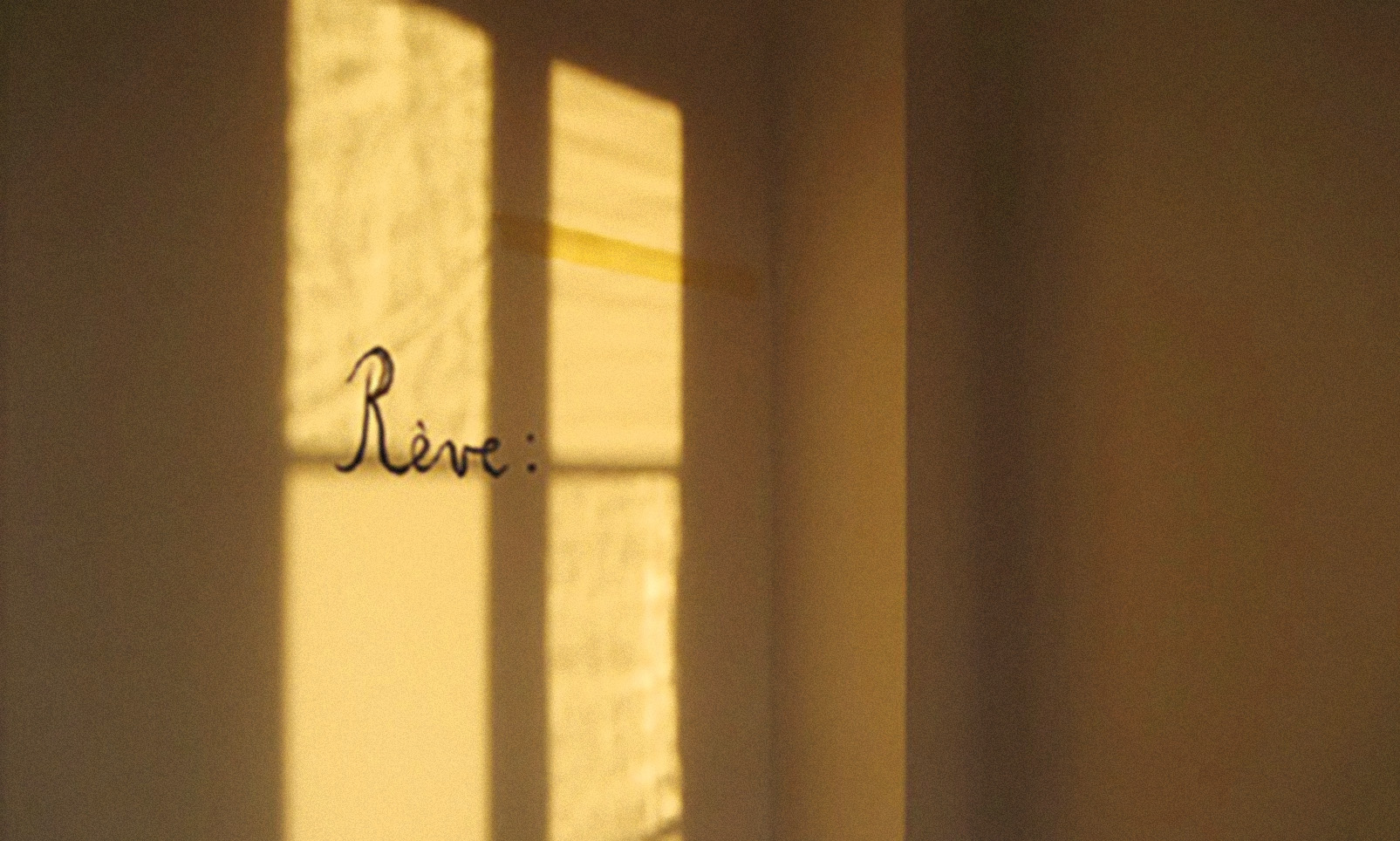
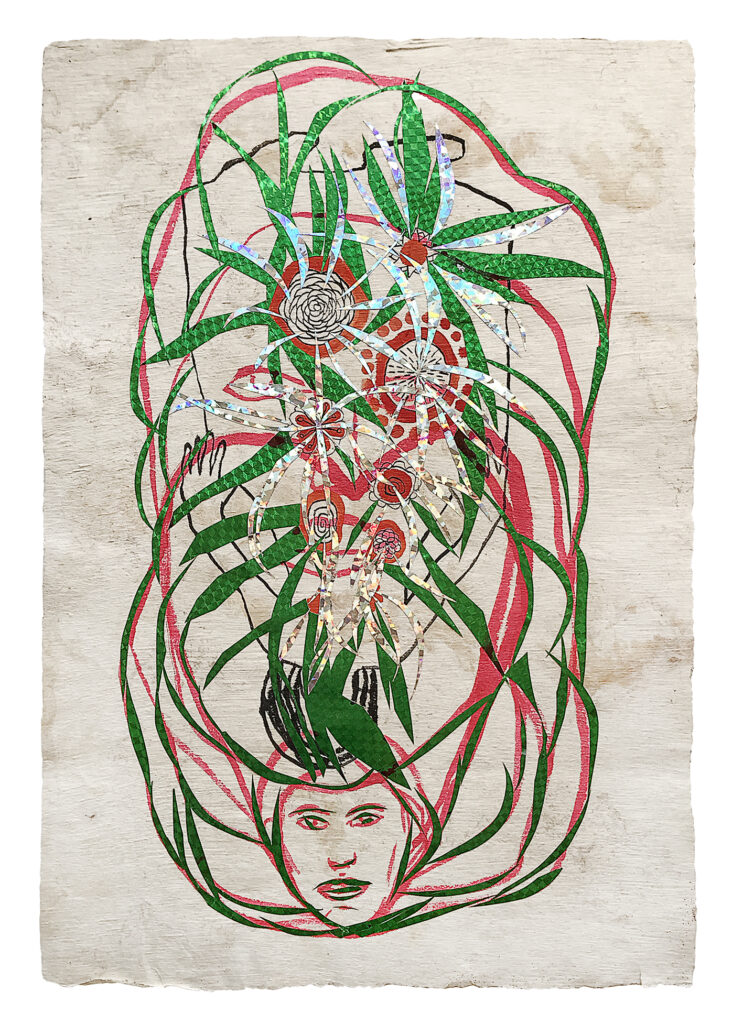
    Dossier Sans Suite montre aussi les symptômes de l’exil par une série de dessins des rêves de l’artiste ainsi que la vidéo «Container» réalisée au Mexique, en collaboration avec Mireia Sallarès et Stefania Saladino qui documente ce qui est resté de cette histoire.


    The dossier sans suite is an exhibition that centres around the letters of a Chilean in exile from the dictatorship of Pinochet. They are presented as a unique testimony of the bureaucratic labyrinth that political refugees still have to cross when they are not recognized officially as refugees and yet do not have the right to return to their country of origin.

    The artist Marisa Cornejo has produced for this exhibition a collection of drawings that are portraits and fragments of testimonies of people who at the moment are in the process of being evaluated for political asylum status by the Swiss authorities. With this work she aims to evoke the complexity of these situations, at a time when increasing numbers of peoples’ lives are being threatened by violation of the human rights in their own country. Yet at the same time the law in Switzerland and Europe are becoming tighter. Also series of drawings of the dreams of the artist and a video produced with artists Mireia Sallarès and Stefania Saladino, will be exhibited where the symptoms of exile are visible.

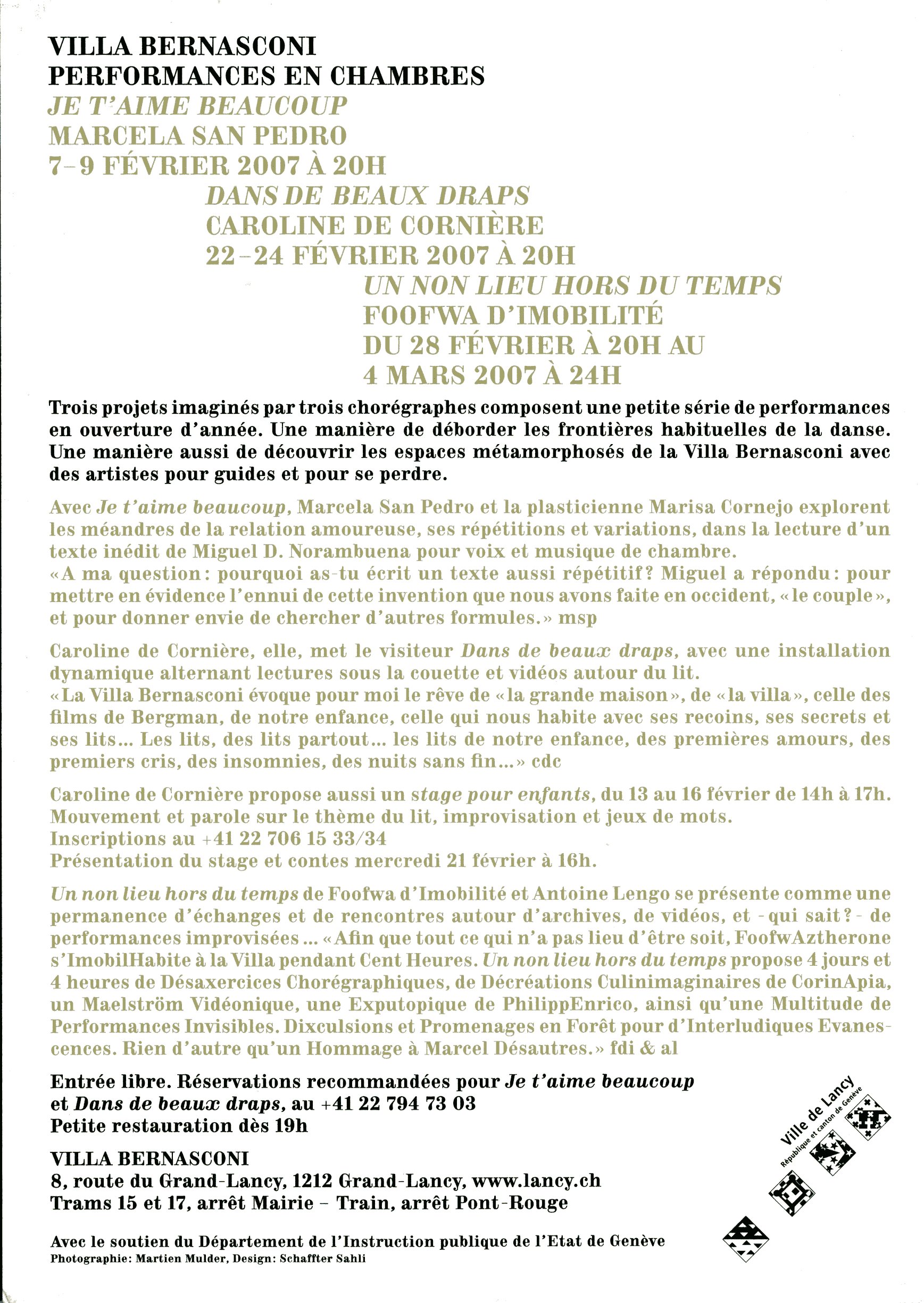
  • Je t’aime beaucoup

    Villa Bernasconi, Genève
    07.02.–09.02.2007

    Title: Je t’aime beaucoup, reading/installation
    Text: Miguel D. Norambuena
    Proposed by: Marcela San Pedro and Marisa Cornejo
    With: Marisa Cornejo, Pascal Desarzins and Sara Oswald (cellists)
    Exhibition: Performances en chambre
    Venue: Villa Bernasconi, Geneva, Switzerland
    Date: 07.02.–09.02.2007

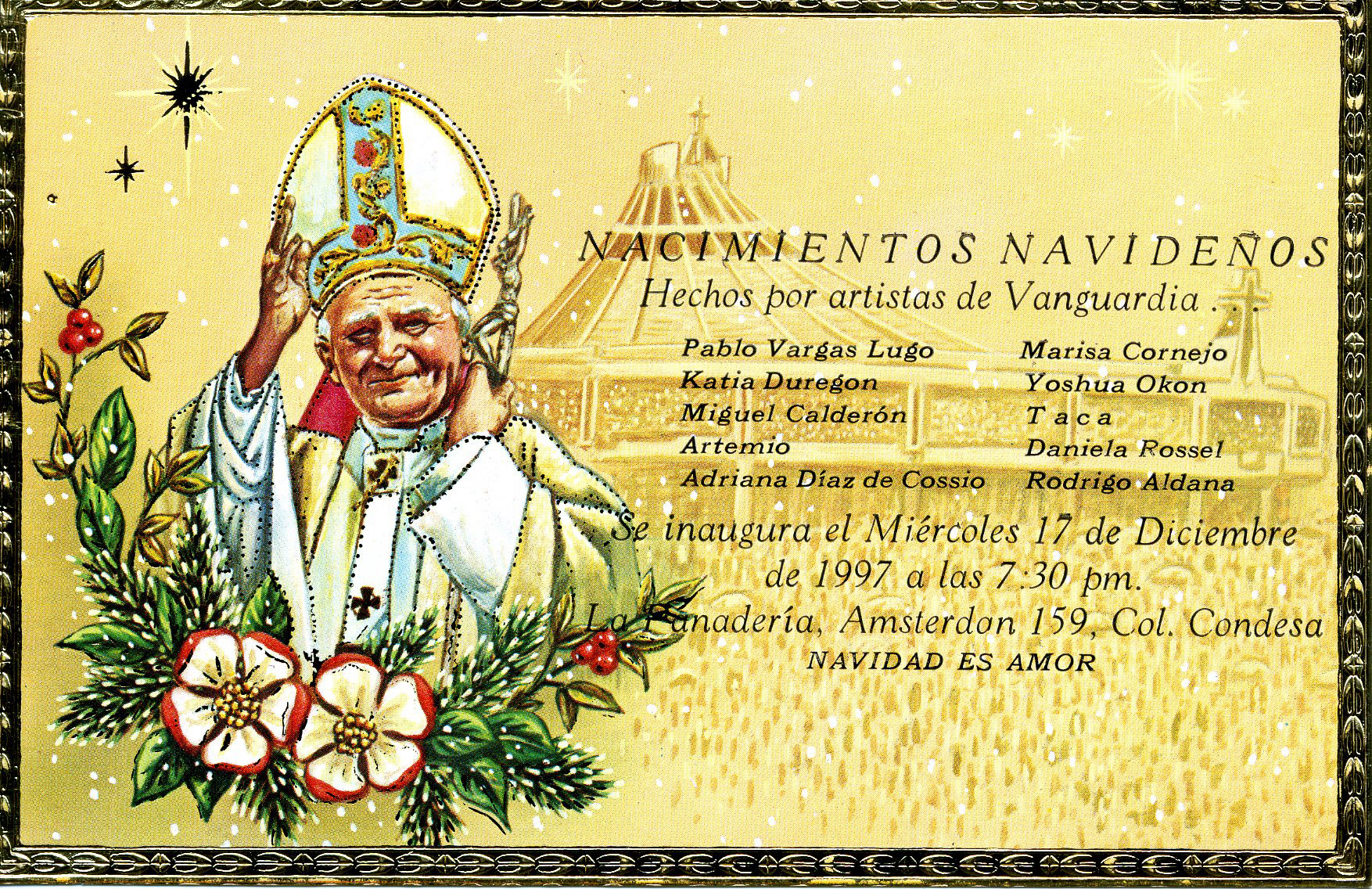
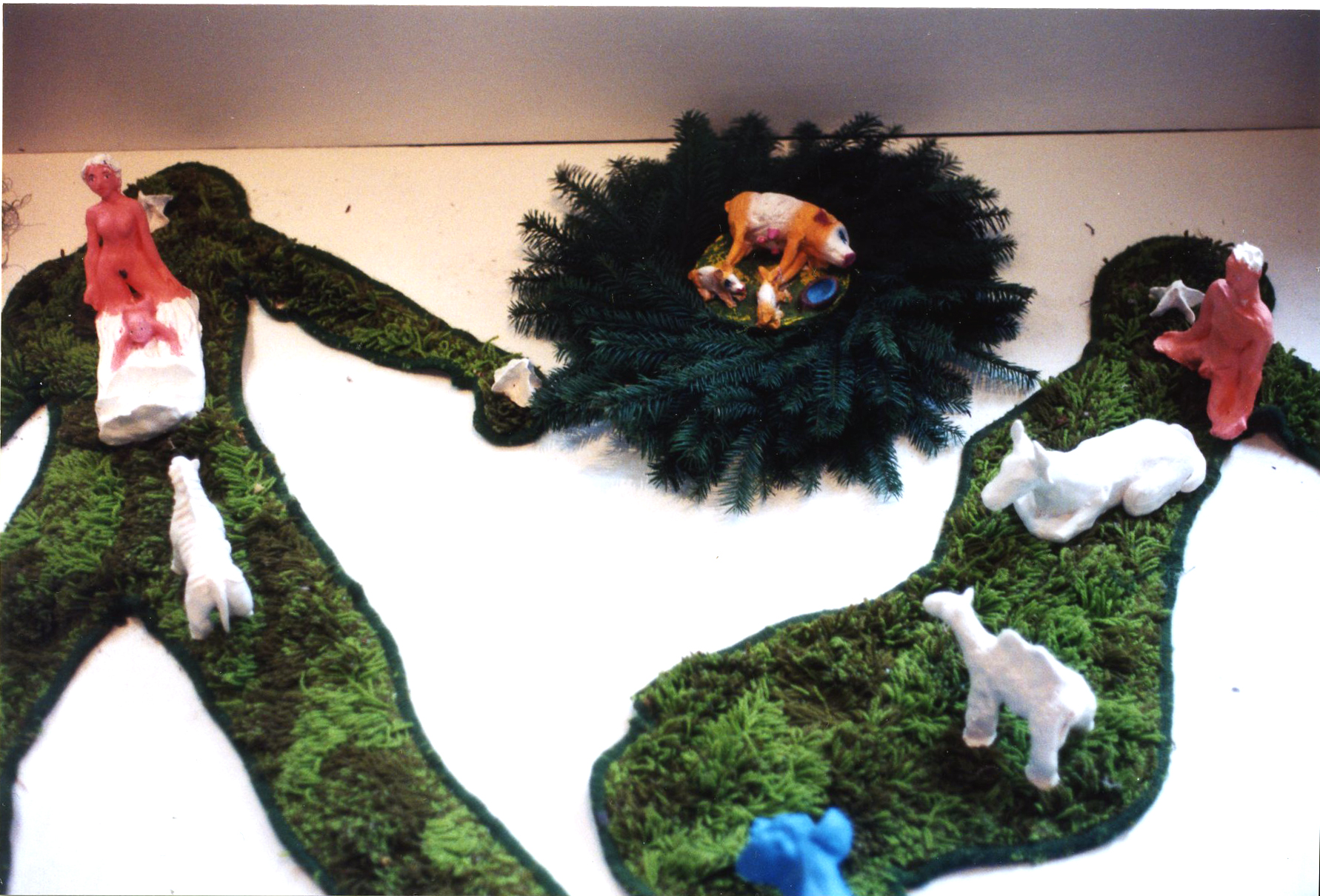
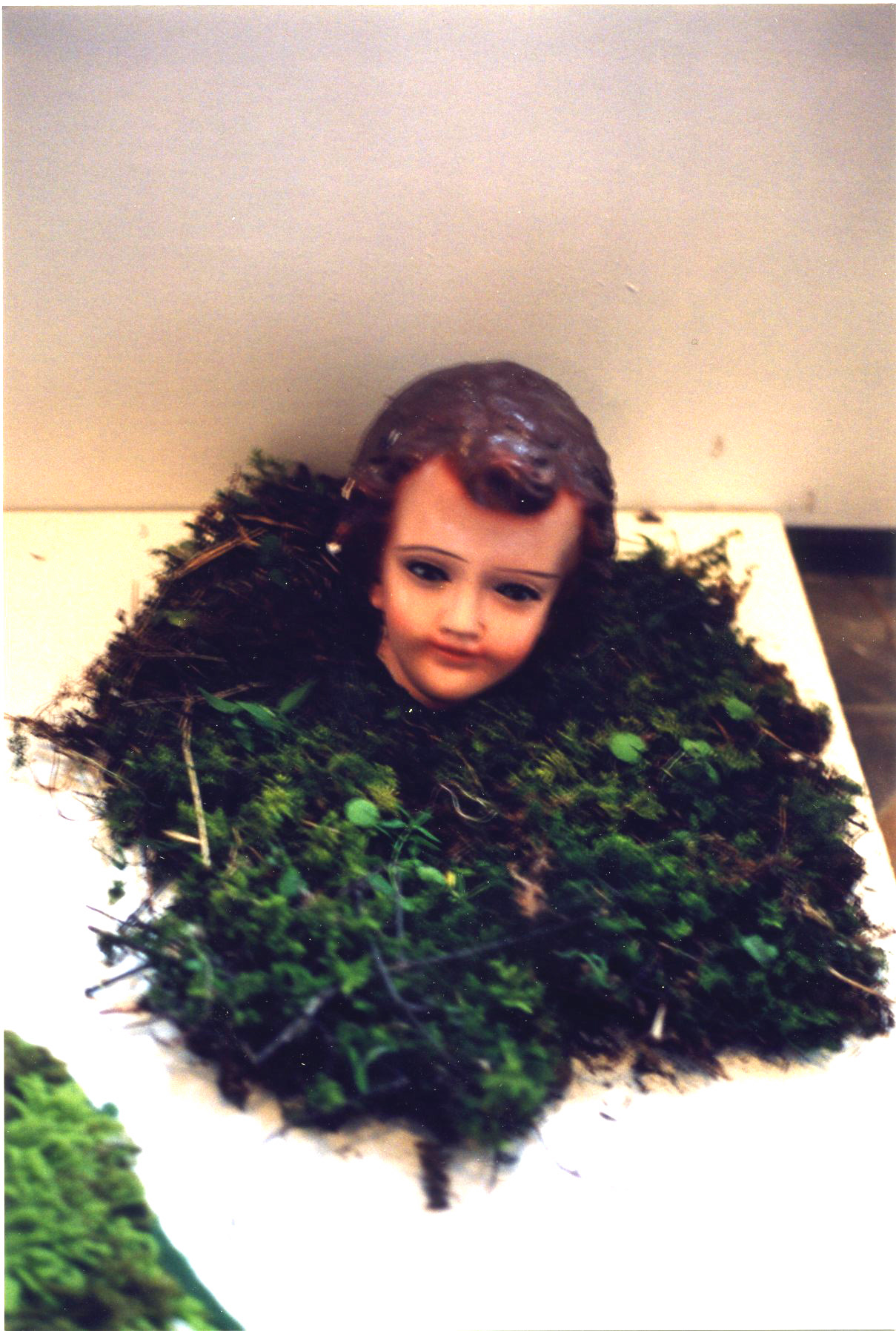
  • Nacimientos navideños

    La Panadería, México D.F.
    17.12.1997

    Title: Nacimientos navideños. Hechos por artistas de Vanguardia
    Artists: Pablo Vargas Lugo, Katia Duregon, Miguel Calderón, Artemio, Adriana Días de Cossio, Marisa Cornejo, Joshua Okon, Taca, Daniela Rossel and Rodrigo Aldana
    Venue: La Panadería, Amsterdan 159, Col. Condesa, México D.F., México
    Date: 17 December 1997

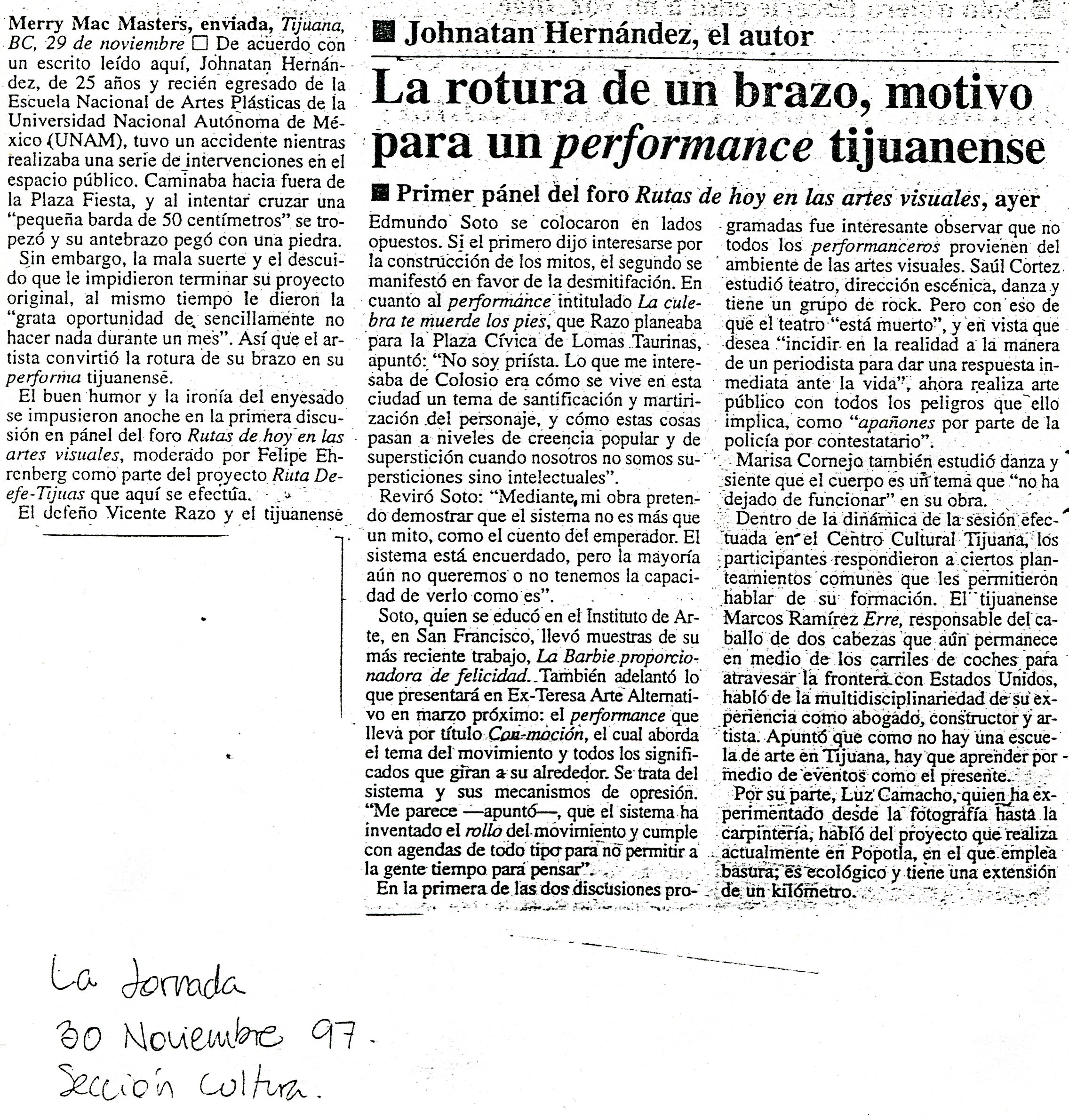
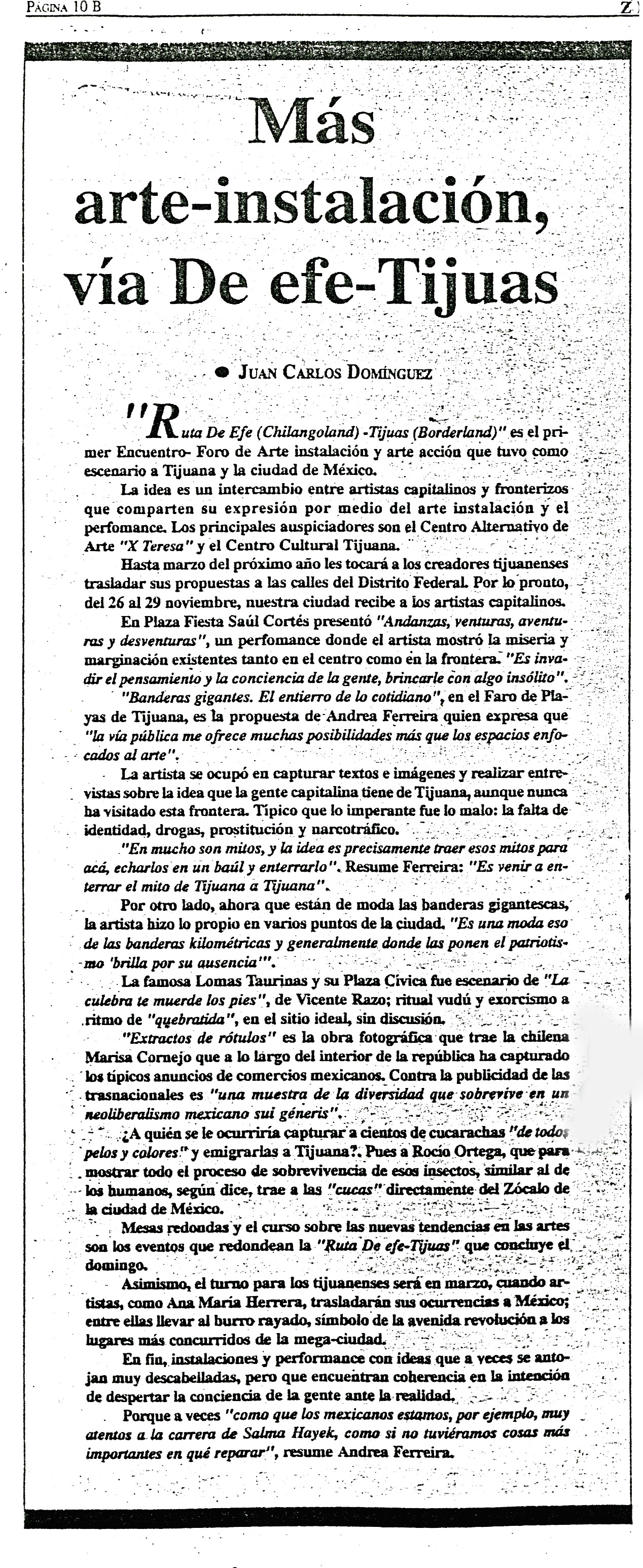
  • Diálogo México-Tijuana

    Centro Cultural de Tijuana, Tijuana
    11.1997

    Installation: Modulo de información, collection of photoraphs on cilinder, 160x250cm, 1997
    Exhibition: Diálogo México-Tijuana
    Artists: Marisa Cornejo, Saúl Cortéz, Andrea Ferreira, Jonathan Hernandez, Rocío Ortega y Vicente Razo
    Venue: Centro Cultural de Tijuana, Tijuana, México
    Date: November 1997

  • XX, reflexionar la violencia

    Centro Cultural Contreras, México D.F.
    03.–1997

    Artists: Marisa Cornejo, María Ezcurra and Mariana Gulco
    Curated by: María Ezcurra
    Venue: Centro Cultural Contreras, México D.F., México
    Date: March, 1997

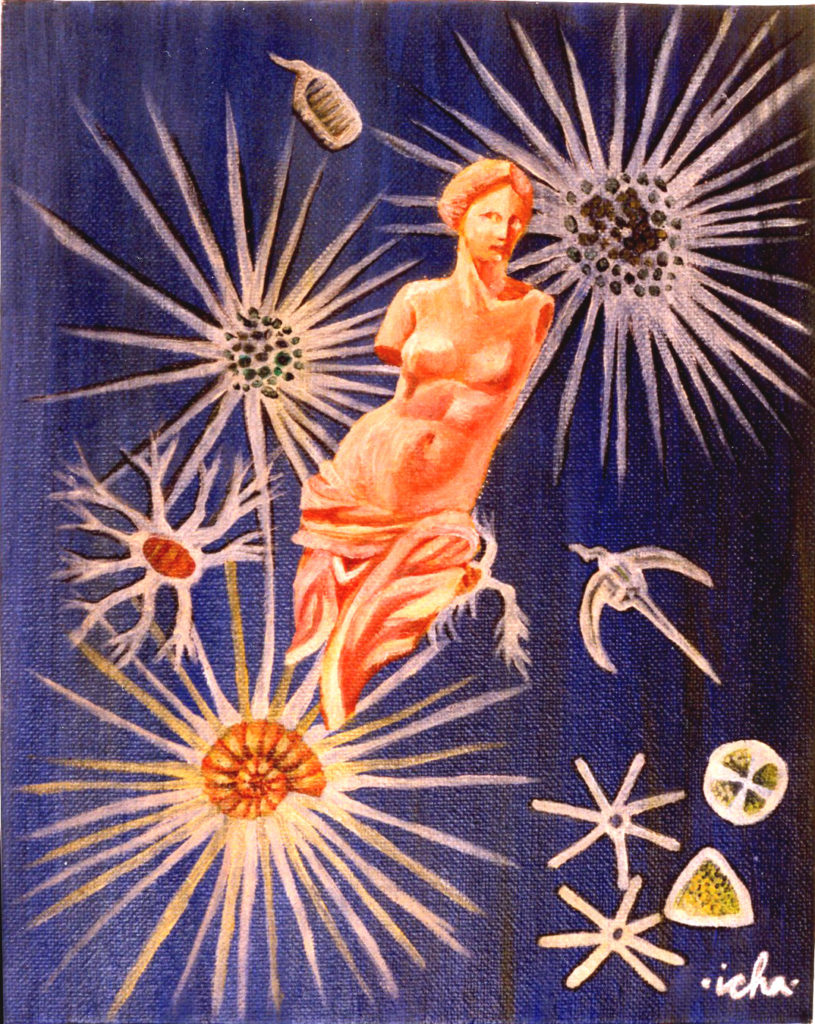
  • Perlas, 1996–1997

    Superior, oil on canvas, 30 x 25 cm, 1996
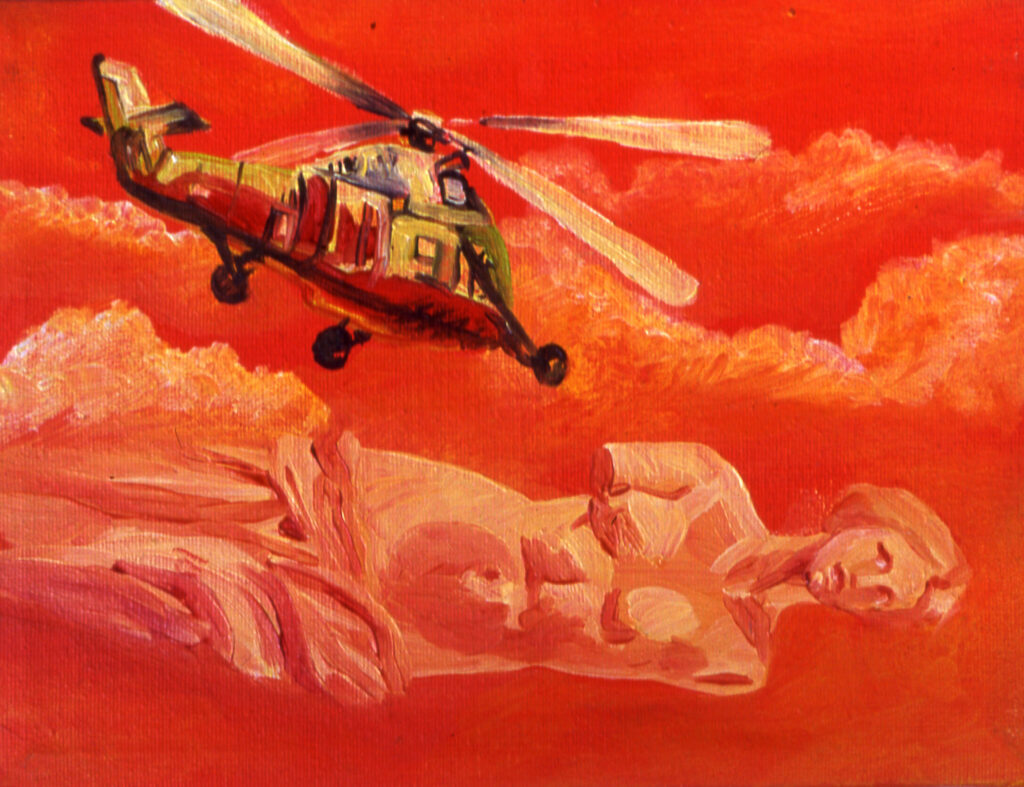
    Helicoptere, oil on canvas, 22 x 28 cm, 1996
    Submarina, oil on canvas, 23 x 27 cm, 1996
    Perla, oil on canvas, 22 x 28 cm, 1996
    No toda, oil on canvas, 24 x 32 cm, 1997
    Cuatlicue, oil on canvas, 18 x 26 cm, 1997
    No toda, oil on canvas, 23 x 30 cm, 1997
  • 80 retratos, 1996

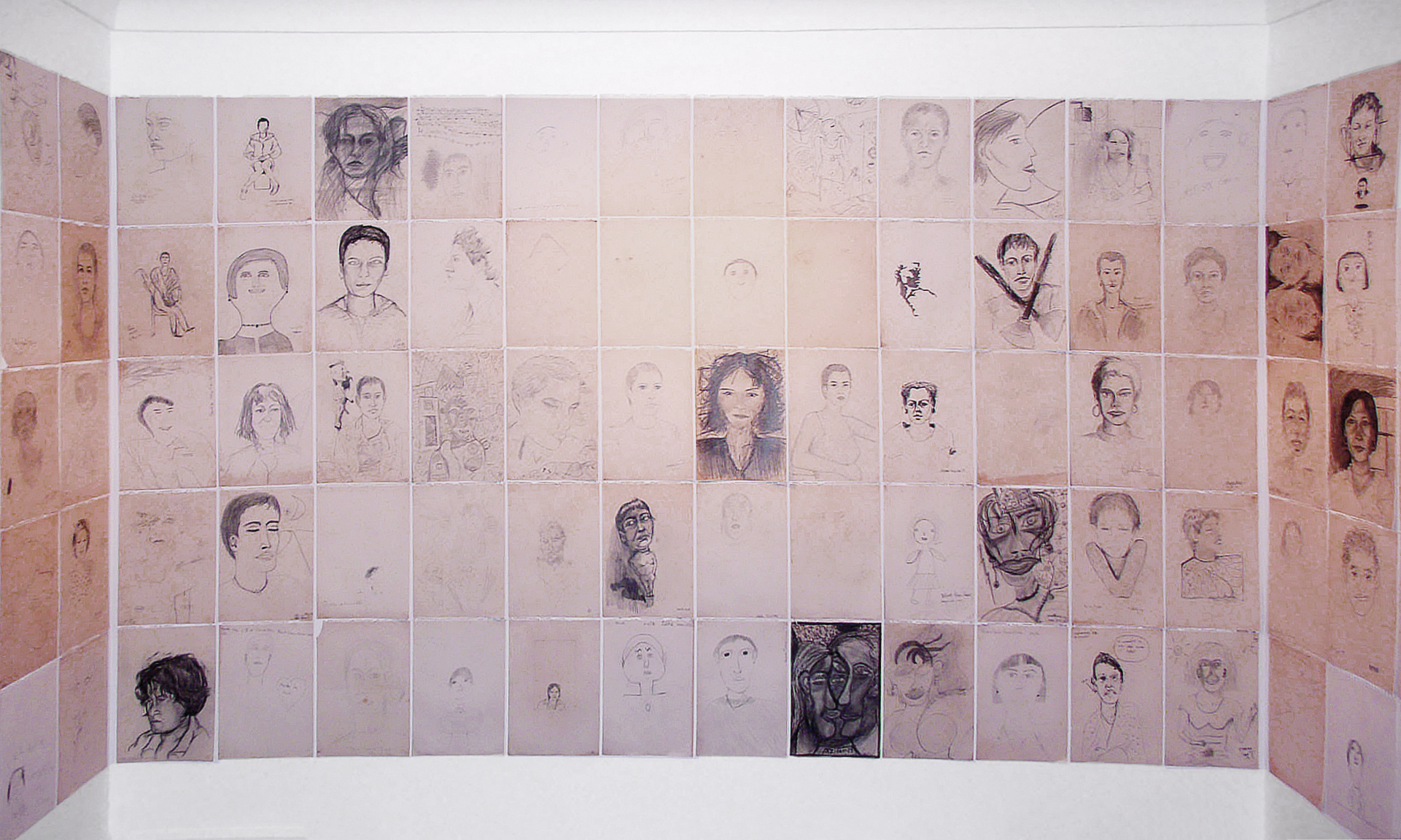
    After having a dream where I was headless I decided to do a project where asked friends, neighbours, family members and colleagues to make a portrait of myself. This project became my degree thesis called Multifacetica, making a link between my dream and various myths of decapitated goddesses. I exhibited this drawings in my studio with other related works before my professional exam.

    Gerardo Santamaría
    Luis Jaime García
    Tania Santamaría
    Marisa Cornejo
    Alejandro Figueroa
    Alexander Kasterine
    Amanda Schmeltz
    Andrés Luebe
    Anónimo
    Antoine
    Antonio Saiz
    Angélica Rivera
    Beatriz Buendía
    Benedicte
    Caminante del Cielo
    Carola del Río
    Daniel Guzmán
    Daniela Rossel
    Mario
    Joshua Okon
    Masiel Mendez
    Mercedes Zanotto
    Anónimo
    Rebeca Walker
    Thomas Kasterine
    Tomás Gleason
    Elvia Salgado
    Eric Escobedo
    Estela Medina
    Eugenio Cornejo Gatica
    Gabriel Calderón
    Gonzalo Tames
    Honorilda Martinez
    Itala Schmeltz
    Jesús Elizondo
    Jack Fahey
    Fierro
    Jorge Juanes
    Keith Miller
    Leonardo Bondani
    Lola Sosa
    Luis Figueroa
    Maciel Mendoza
    Malcom
    Katya Kasterine
    Maciel Mendoza
    Maciel Mendoza
    Domingo Abiundez
    Marjorie Veraliz
    Martin Torrez
    Masiel Mendoza
    Mauricio
    Ana Maya Kasterine
    Mercedes Zanotto
    Michelle
    Miguel Calderón
    Monroe
    Natalia Gauchat
    Nieves Soto
    Nora Gatica
    Norman Douglas
    Pablo Vargas Lugo
    Eugenio Cornejo Arancibia

    Pilar Villela
    Ricarda Platon
    Rodrigo Aldana
    Roger
    Roger Lopez
    SL
    Sara Nuñez
    Saúl Villa
    Tatan
    Tellez
    Vicente Razo
    Vina Keny Monica Pineda
  • México develado

    Centro Cultural Isidro Falabella, México D.F.
    1996

    Title: Limpia: en el arca hay sitio para todos, 350x530cm, 1996
    Exhibition: México develado
    Artists: Carlos Arias, Pedro Barra, Marisa Cornejo, Roberto Duarte, Alejandro Escribano, Ingrid Fugellie, Oscar Hernández, Cristian Marambio, Claudio Rivera, Edwin Rojas, Eugenia Vargas and Isabel Viviani
    Curated by: Claudio Rivera
    Documentation: Daniela Rossel
    Venue: Centro Cultural Isidro Falabella, Mexico D.F., México
    Date: 1996

  • Hogar dulce hogar

    La Panadería, México
    08.1995

    Title: Juego de alfombras para sala
    Exhibition: Hogar dulce hogar
    Artists: Rodrigo Aldana, Marisa Cornejo, Miguel Calderón and Saúl Villa
    Curated by: Rodrigo Aldana
    Venue: La Panadería, México, Mexico
    Date: August 1995

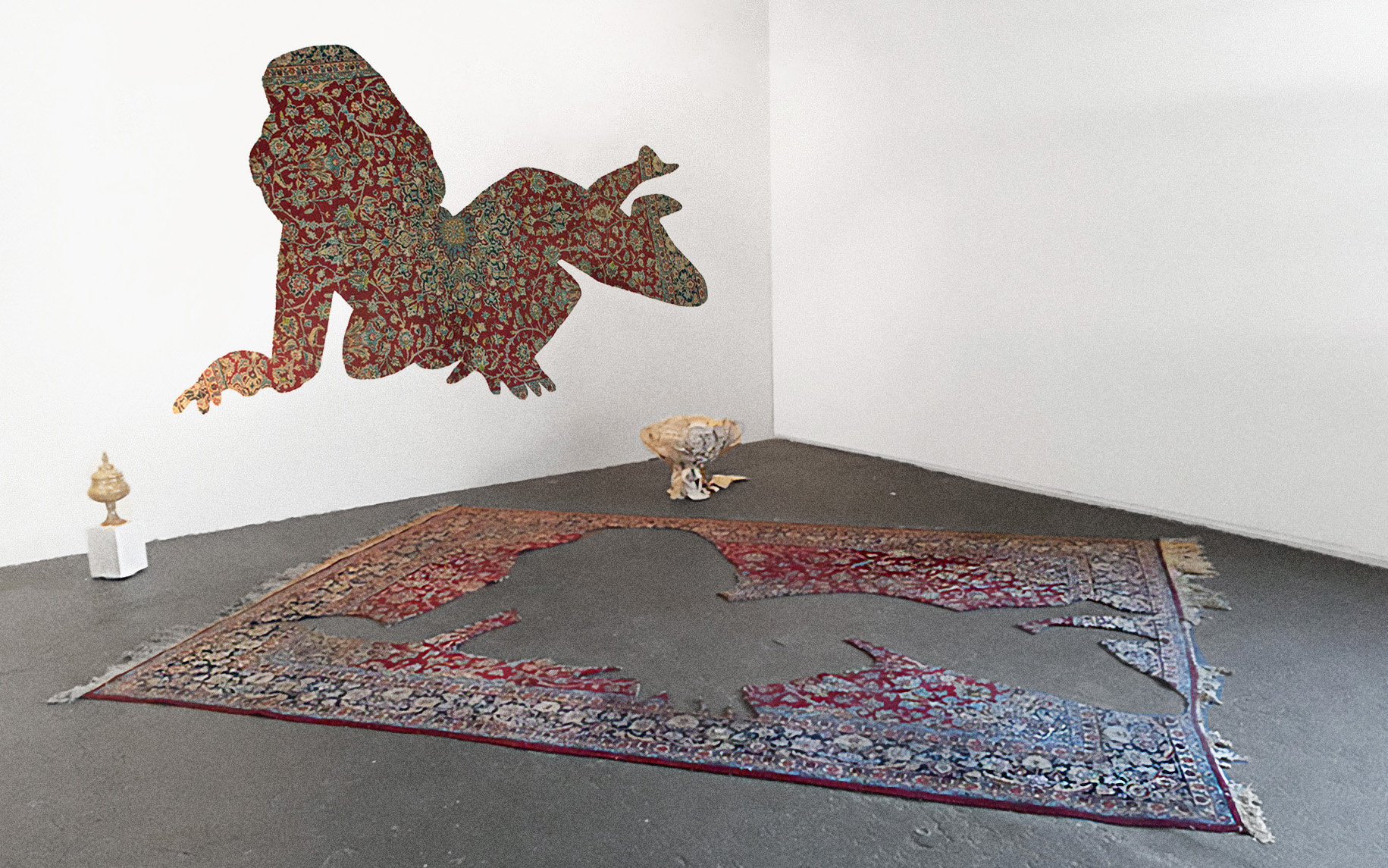
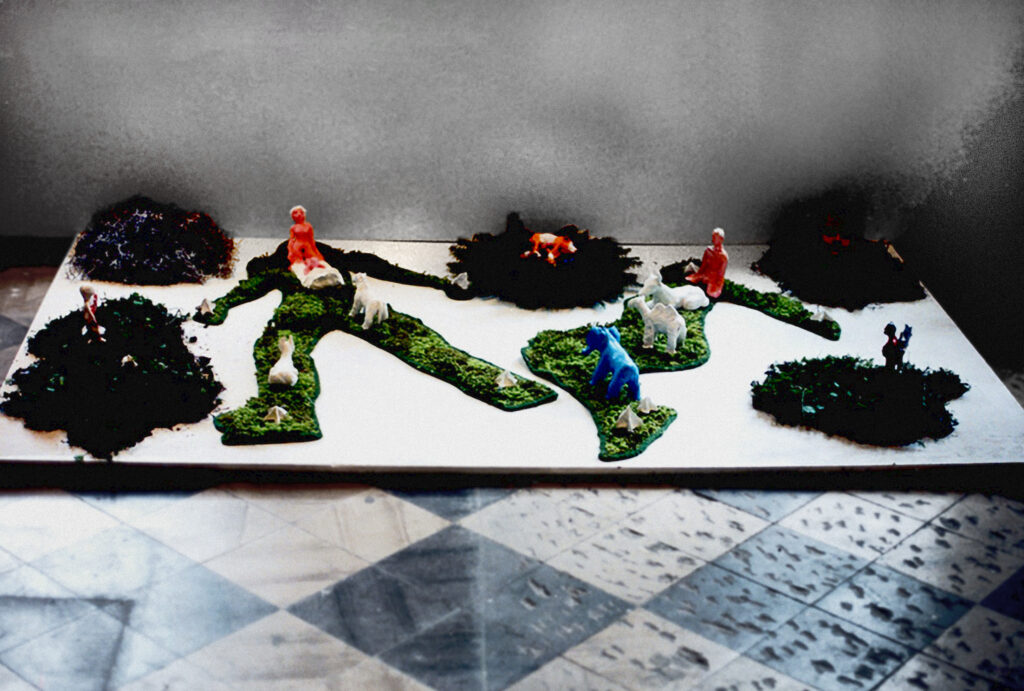
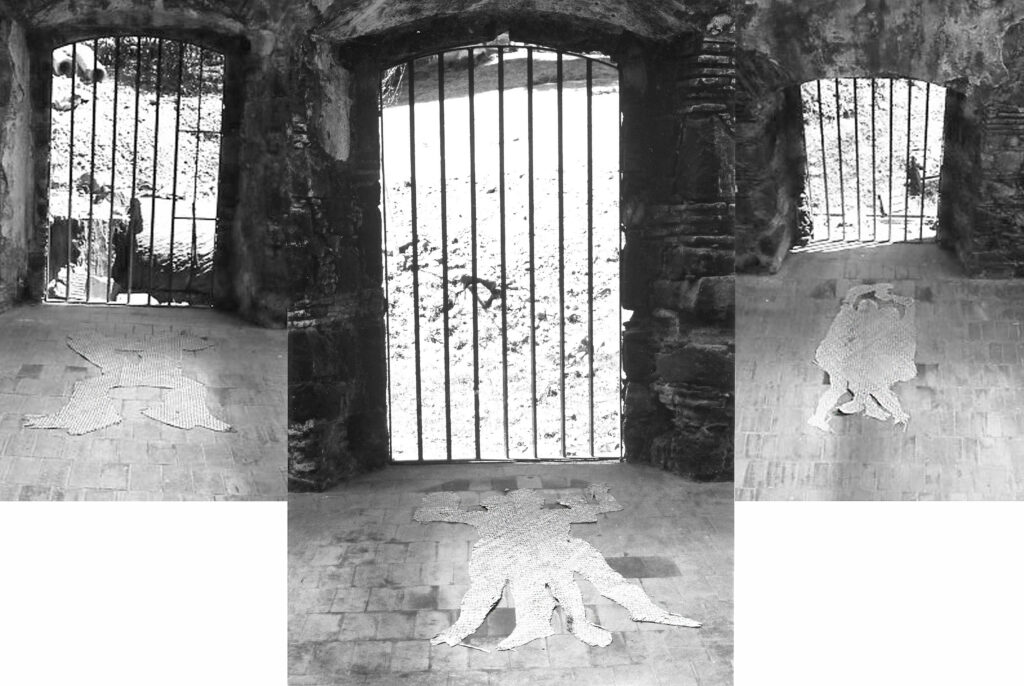
    Video, photography and installation come together in this show to create a home-like environment. Each artist is assigned a space with a social function and meaning to be used in their piece. Four rugs, each in the shape of a human figure -a Playboy pinup, Spiderman, etc- strategically placed by Marisa Cornejo, create an environment that makes evident the masculine-feminine hierarchies within the home. Miguel Calderón decorates the family room with a wall-sized photomural, two comfortable poufs and two televisions showing the artist’s video work. Saúl Villa decorates the master bedroom -which includes instructions on how to use the bed-. Finally, lighting for the whole space is the work of Rodrigo Aldana, who creates a warm environment for each piece, as well as a text since each lamp includes a short passage on the different artists.

    El video, la fotografía y la instalación se conjuntan en esta exposición con la intención de recrear un ambienteshogareño. A cada artista le es asignado un espacio cuyas funciones y significados sociales tienen que ser utilizados para realizar su pieza. Cuatro alfombras, cada una en forma de silueta humana -chica playboy, Spiderman, etcétera- son colocadas estratégicamente por Marisa Cornejo para crear un ambiente de posiciones y rangos masculino-femenino dentro del hogar; el cuarto de televisión decorado con un fotomural, dos cómados puffs y dos televisiones con sus respectivos videos, obra de Miguel Calderón; la recámara principal -dotada de un instructivo para usar la cama- a cargo de Saúl Villa; y finalmente, la iluminación de los espacios a cargo de Rodrigo Aldana, crea una atmósfera envolvente para cada pieza con luz y texto, ya que cada lámpara contiene un pensamiento alusivo al artista cuya pieza iluminaba.